

For individuals suffering from advanced knee osteoarthritis (OA), total knee arthroplasty (TKA) is often the ultimate solution to alleviate pain and restore mobility. However, recovery after TKA can be challenging, with many patients failing to reach the physical function levels of their healthy peers even a year post-surgery. This raises an important question: can targeted prehabilitation exercises improve recovery outcomes?
A recent study explored this by investigating the effects of eight weeks of preoperative blood flow restriction resistance training (BFR-RT) on physical function, muscle strength, and patient-reported outcomes compared to usual preoperative care. Here’s what the researchers discovered—and what it means for TKA patients.
The Study: A Dive into Preoperative Training
This randomized controlled trial involved 86 patients scheduled for TKA. Participants were divided into two groups:
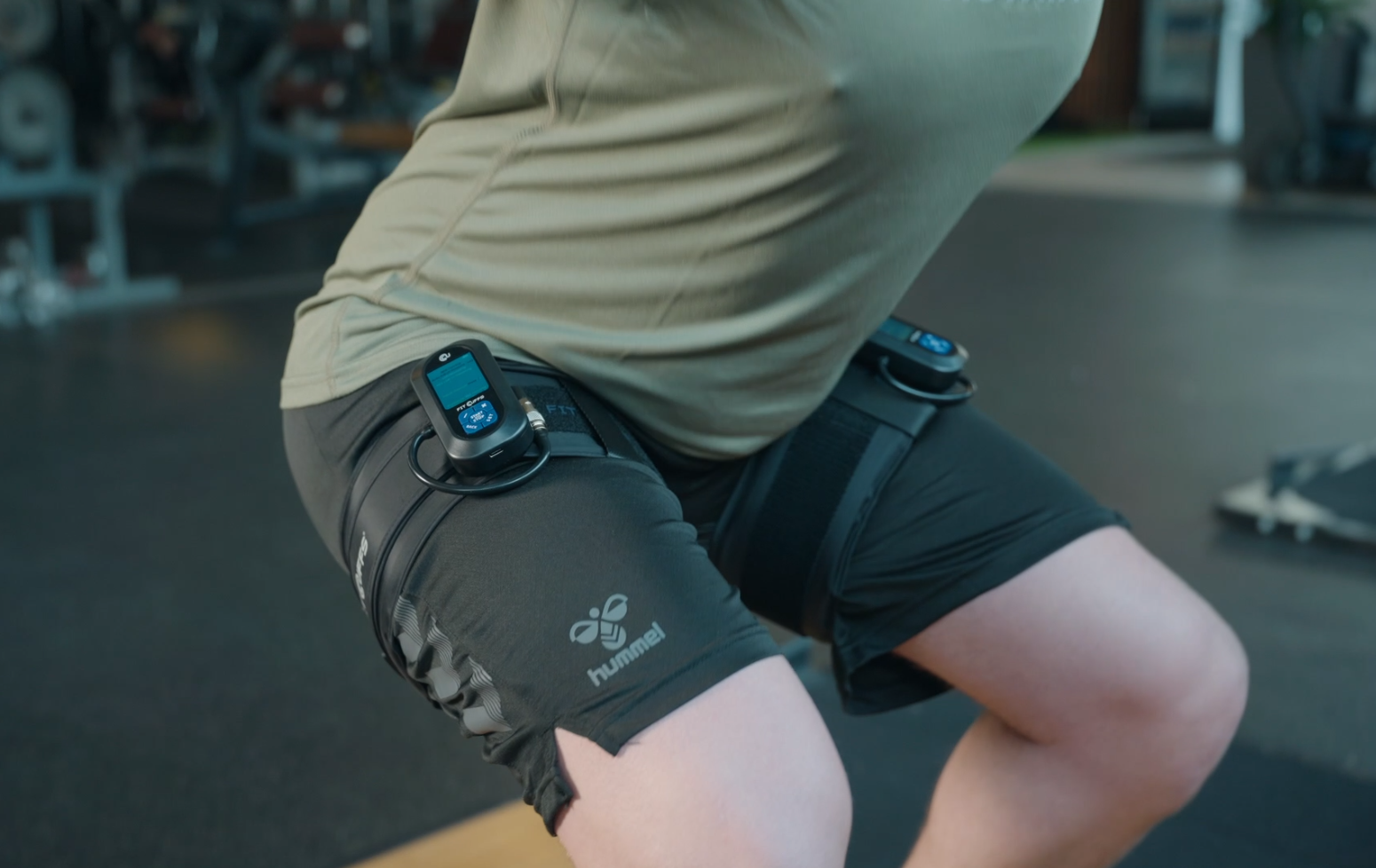
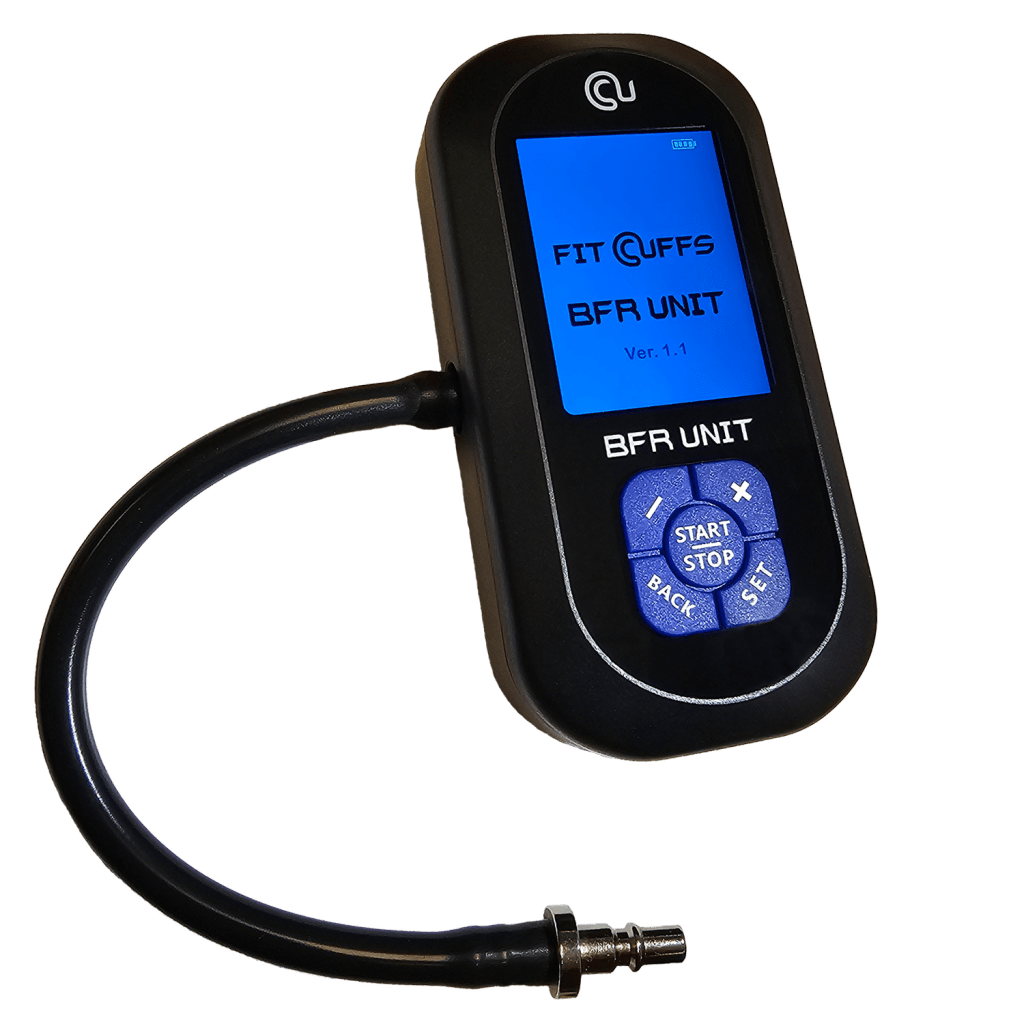
BFR-RT Group: These individuals engaged in low-load resistance training with blood flow restriction on the affected leg three times a week.
Control Group: Patients followed usual care, which included no structured preoperative exercise.
The primary measure of success was the 30-second sit-to-stand test (30STS), a common metric for physical function. Secondary measures included walking speed, range of motion (ROM), knee strength, and patient-reported outcomes such as pain and quality of life.
Key Findings: Strength vs. Function
- No Functional Superiority: At both 3 and 12 months post-surgery, there were no significant differences between the BFR-RT and control groups in physical function metrics like the 30STS, timed up-and-go (TUG) test, or walking speed. This indicates that preoperative BFR-RT did not enhance general functional recovery compared to usual care.
- Short-Term Strength Gains: The BFR-RT group demonstrated significantly better knee extensor strength three months after surgery compared to the control group. This suggests that the training helped protect against early postoperative declines in muscle strength.
- Patient-Reported Outcomes: No significant differences were observed between groups in terms of pain, quality of life, or overall satisfaction.
What Does This Mean for TKA Patients?
While BFR-RT did not improve functional outcomes or quality of life over usual care, its ability to enhance short-term knee extensor strength is noteworthy. Stronger muscles around the knee may contribute to stability, support, and potentially faster reintegration into activities like walking or light work. For individuals aiming for a quicker return to professional or daily activities, BFR-RT could provide a valuable boost in the early recovery phase.
The Broader Perspective on Prehabilitation
This study aligns with prior research suggesting that while preoperative rehabilitation can offer benefits, its effects on long-term recovery remain inconsistent. One important takeaway is that the majority of patients prioritize pain relief and quality of life improvements over performance metrics like walking speed. Given the cost and resource demands of structured prehabilitation like BFR-RT, healthcare providers might instead focus on identifying patients at risk of poor postoperative outcomes and tailoring interventions for these individuals.
Conclusion: A Targeted Approach is Key
Preoperative BFR-RT does not offer a universal advantage for all TKA patients but may hold promise for those looking to optimize short-term recovery, particularly in muscle strength. Moving forward, a more personalized approach to TKA rehabilitation—addressing individual patient needs and challenges—may be the key to improving outcomes and satisfaction.
For patients considering TKA, discussions with healthcare providers about prehabilitation options, recovery goals, and individualized strategies remain essential. Whether it’s strength-focused training like BFR-RT or other interventions, recovery is not one-size-fits-all—and tailoring approaches to each patient’s journey will make all the difference.
Source:
Jørgensen et al. (2024) The Effect of Blood Flow Restriction Exercise Prior to Total Knee Arthroplasty on Postoperative Physical Function, Lower Limb Strength and Patient-Reported Outcomes: A Randomized Controlled Trial