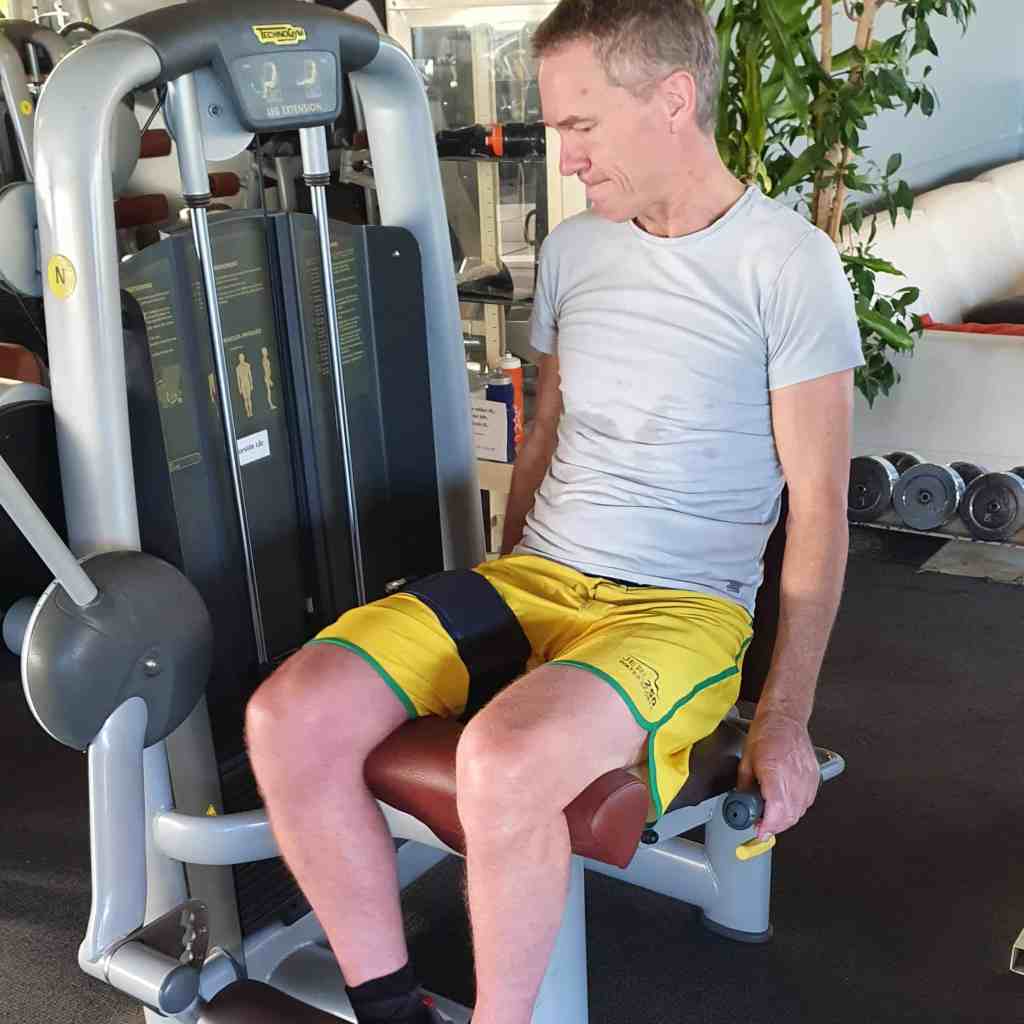


Here we got a late stage rehab program for a conservative managed (non-operative) Posterior Cruciate Ligament (PCL) tear grade 2-3.
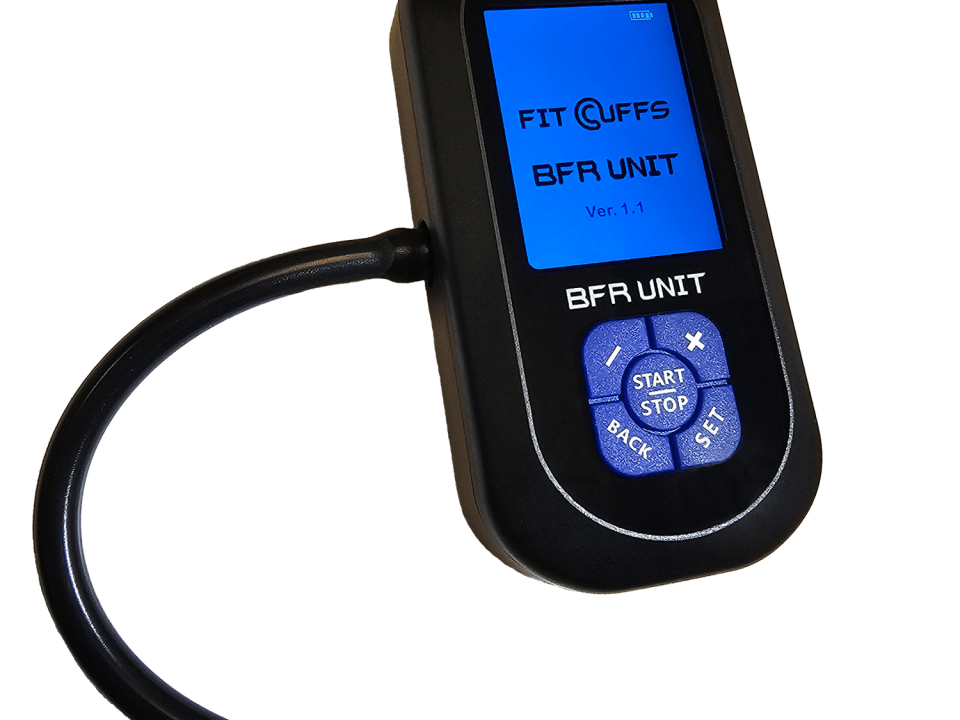
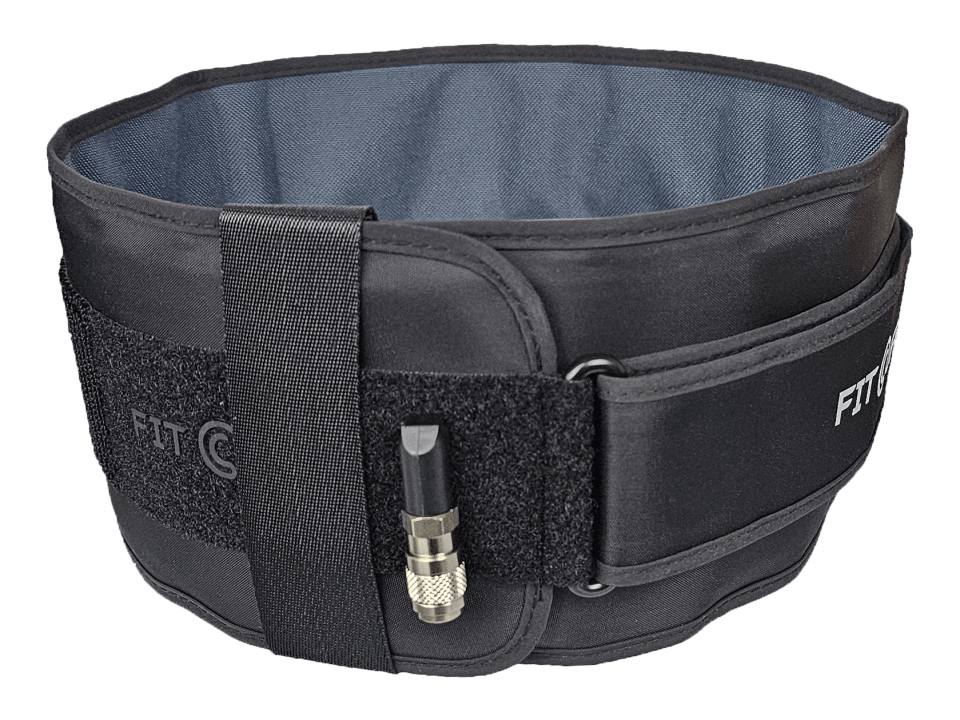
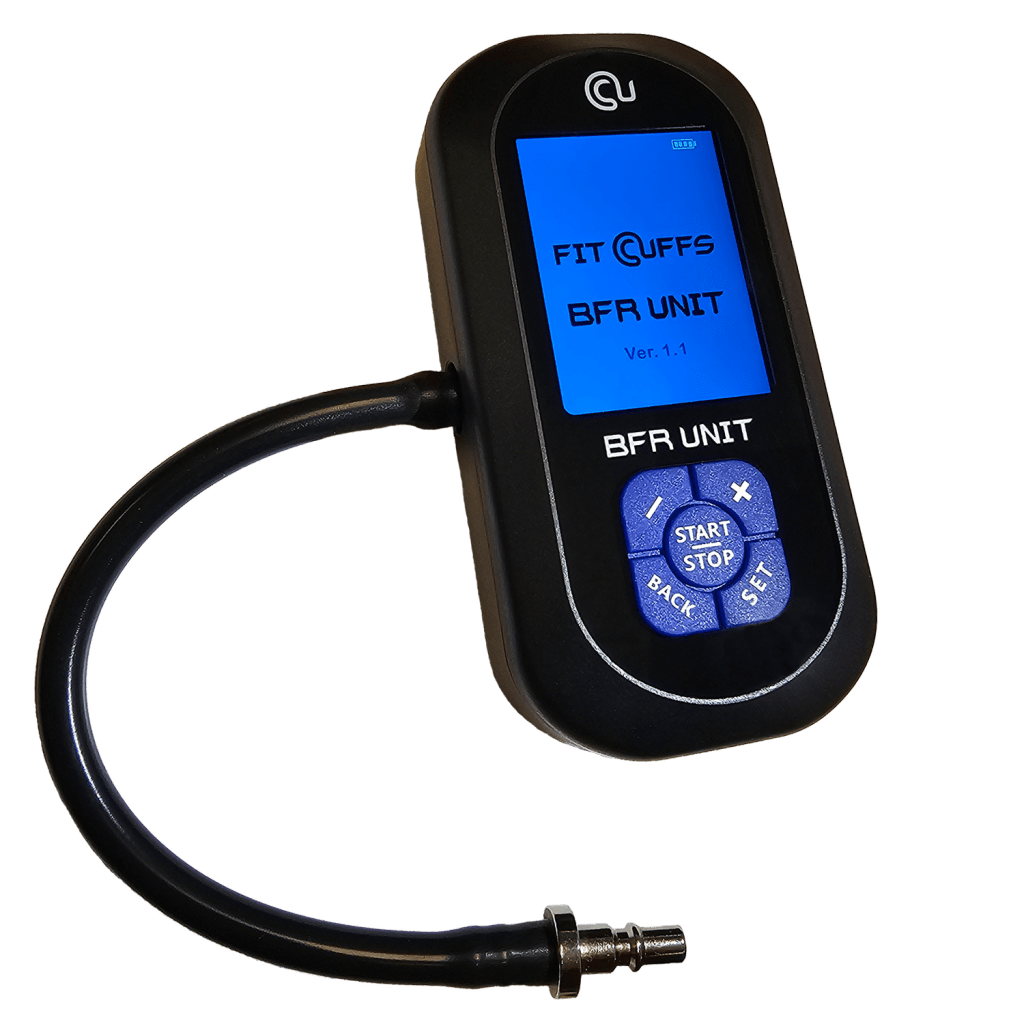
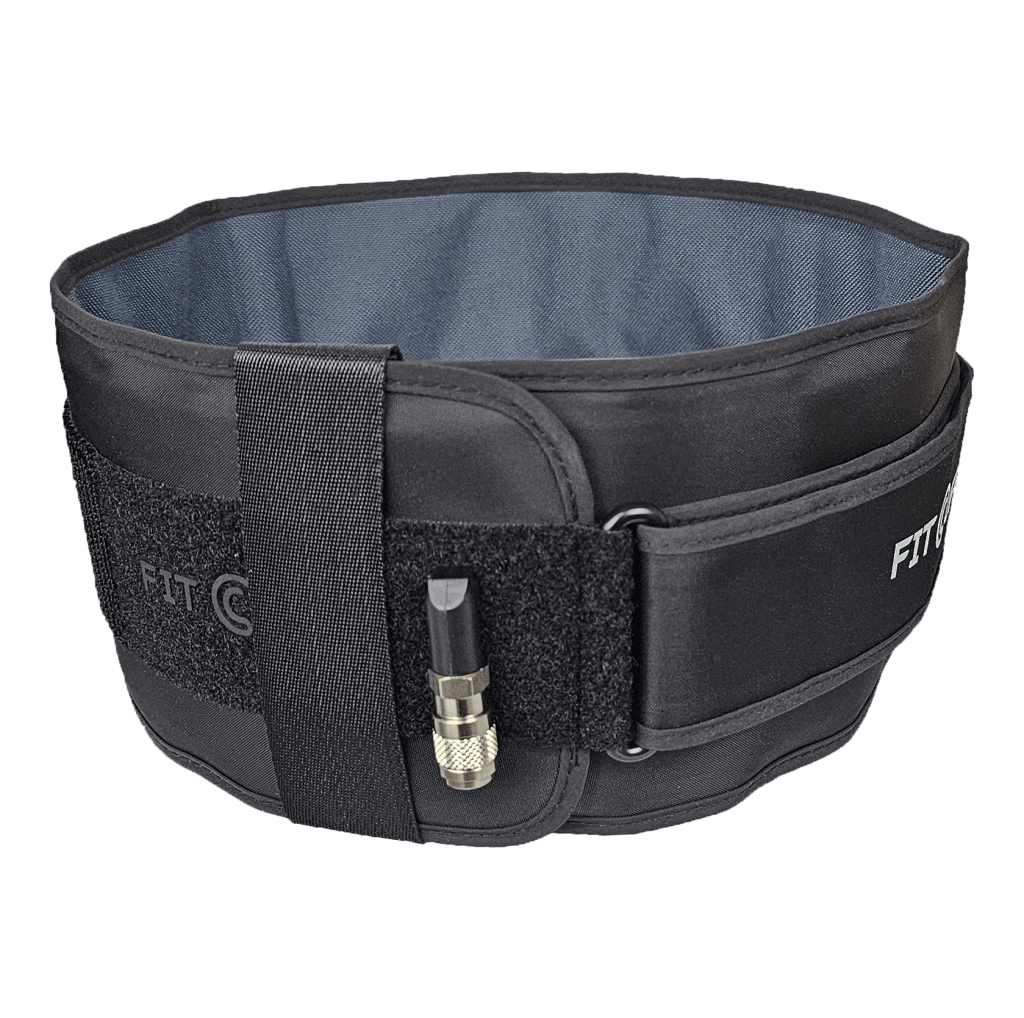
The full exercise selection consists of moderate load resistance training, balance and low-load Blood Flow Restriction (BFR) training with Leg Cuffs V3 as displayed.
The PCL is located behind the ACL, comprised of 2 bundles to synergistically create antero-posterior stability within the knee (avoiding the shin bone to glide backwards relative to the thigh).
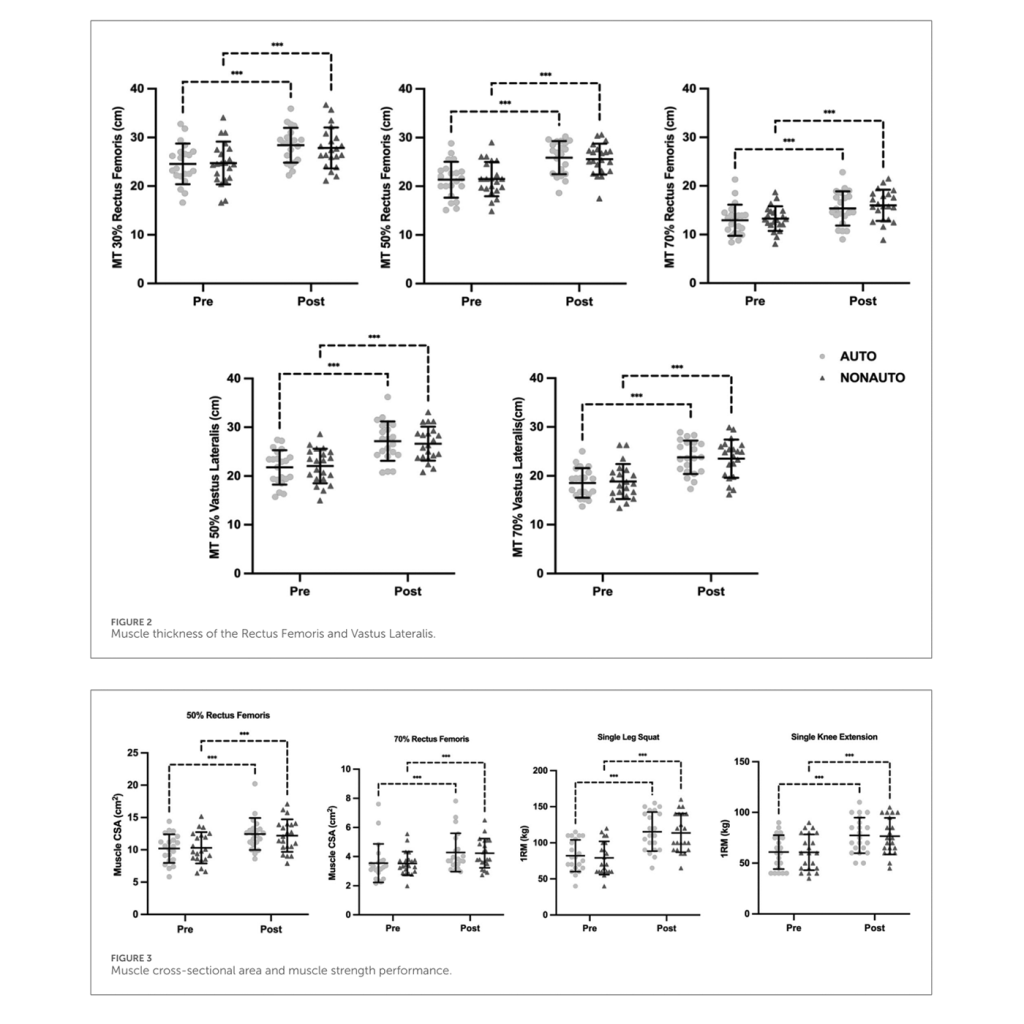
The main functional goal should be active stability which is essential for active work-life and return to sport when applicable. As the quadriceps is agonistic to the PCL, an important sub-goal should be to strengthen this muscle group for a successful rehab and return to play.
In the early stage (0-10 weeks) the ligament should heal in a neutral position in a brace to regain optimal length of the ligament, additionally, there are some essential restrictions: 1. Limiting combined hamstring contraction with knee flexion, which is essential for the healing of the ligament. 2. Load management, which is important for the health of the impaired cartilage associated with the injury.
Despite the successful return to sports, the development of osteoarthritis is evident following non-operative PCL management: At 5 years following injury, 77% develop degenerative changes in the medial femoral condyle and 47% had degenerative changes in the trochlea. Because of this, it is probably not recommended to speed up the process in regards to high impact activities such as high-speed running and high-load resistance training for the first 5 and 3 months, respectively.
For this particular client, BFR was implemented at the early stages fitting the Leg Cuff above and beneath the knee brace to limit flexion to 90 degrees during knee extension and closed chain exercises like squats etc.
Considering the relative unpleasant long-term prognosis on cartilage and meniscal health i.e. degenerative changes, the rational for using BFR and low-load exercises even at later stages seems apparent.
Source:
Strobel et al. (2003) Arthroscopic evaluation of articular cartilage lesions in posterior cruciate ligament—deficient knees.
Velde et al. (2009) Analysis of tibiofemoral cartilage deformation in the posterior cruciate ligament-deficient knee.
physio-pedia.com/Non-operative_Treatment_of_PCL_Injury.
Blazey (2018) Blog post – Blood flow restriction: miracle return to play adjunct or therapy fad?