

In our previous post on subacromial decompression and early-phase rehabilitation, we highlighted the importance of gradually reintroducing movement and strength to the shoulder complex. This follow-up builds on that foundation, incorporating progressive loading to emphasize minimizing proximal joint strain.
Distal Emphasis
To optimize recovery while protecting healing structures—especially the acromioclavicular (AC) joint—rehabilitation now includes progressively loaded exercises in a position that limits proximal joint activity (e.g., at the AC and glenohumeral (GH) joints).
Why This Matters
After undergoing acromioplasty and/or distal clavicle excision, the AC joint may experience altered biomechanics and reduced load tolerance during the early stages of recovery. Exercises are carefully selected to focus on distal musculature without excessive proximal joint movement or strain to avoid compromising the healing tissue.
🎯 The Role of Biceps Curls
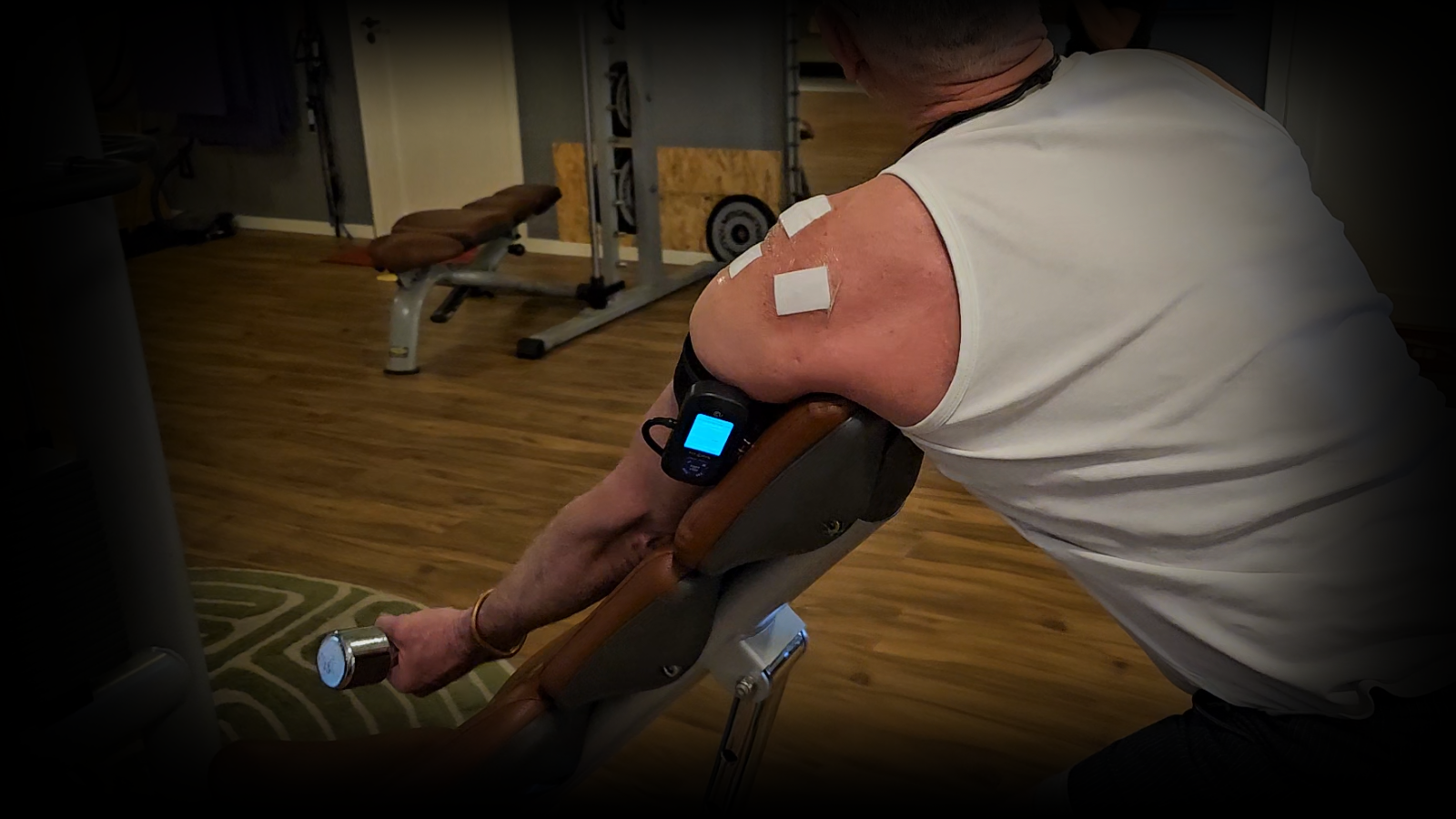
The Classic Preacher curl a seemingly simple exercise, has gained newfound significance in the present rehab protocol. Modifying its mechanics—keeping the shoulder in a slightly flexed position—minimizes the activity of proximal stabilizing structures.
Implementation Highlights:
Positioning:
The elbow is fixed which limits movement at the AC and GH joints, ensuring they remain relatively inactive.
Progressive Load:
Start with unloaded curls as the previous post in the series.
Gradually increase resistance while monitoring joint feedback and avoiding compensatory shoulder movements.
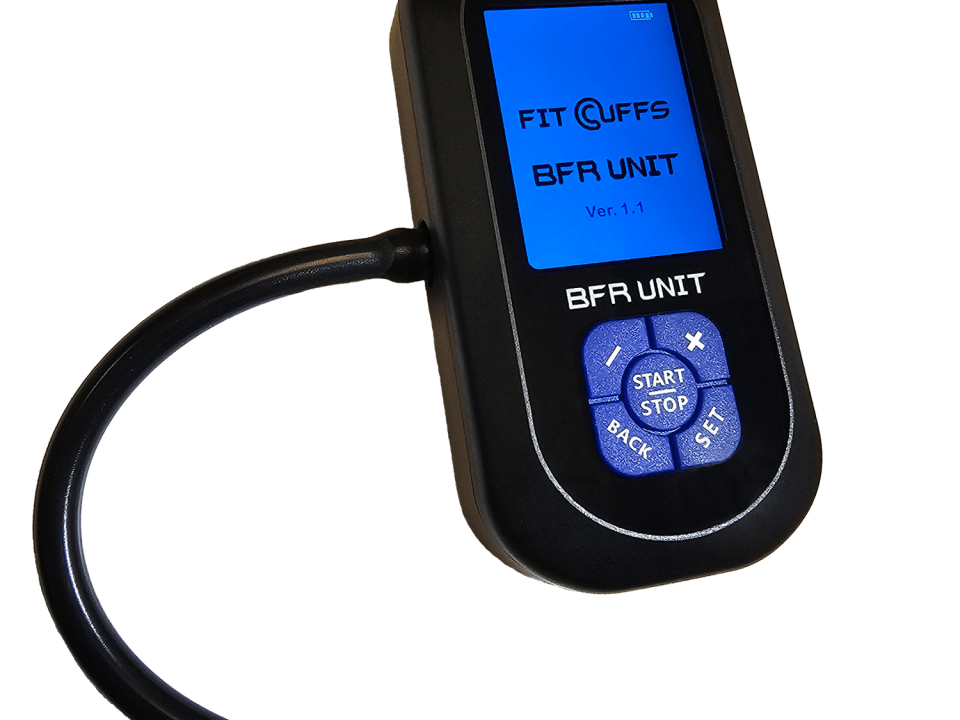
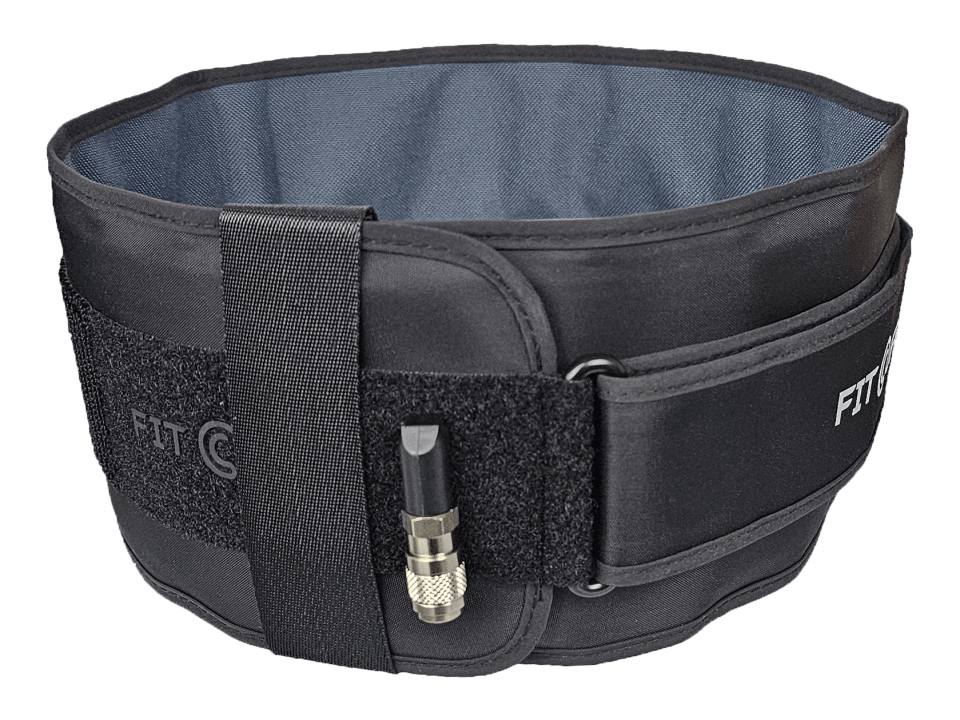
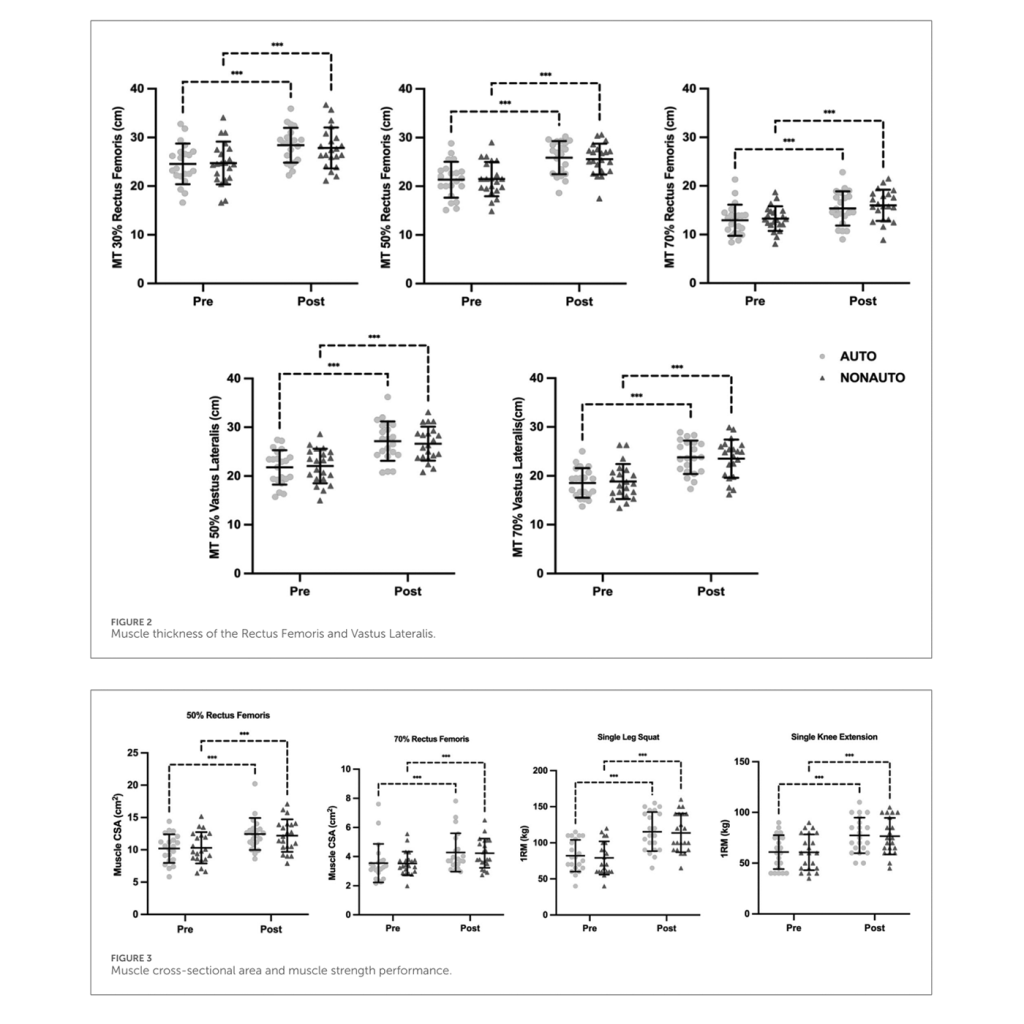
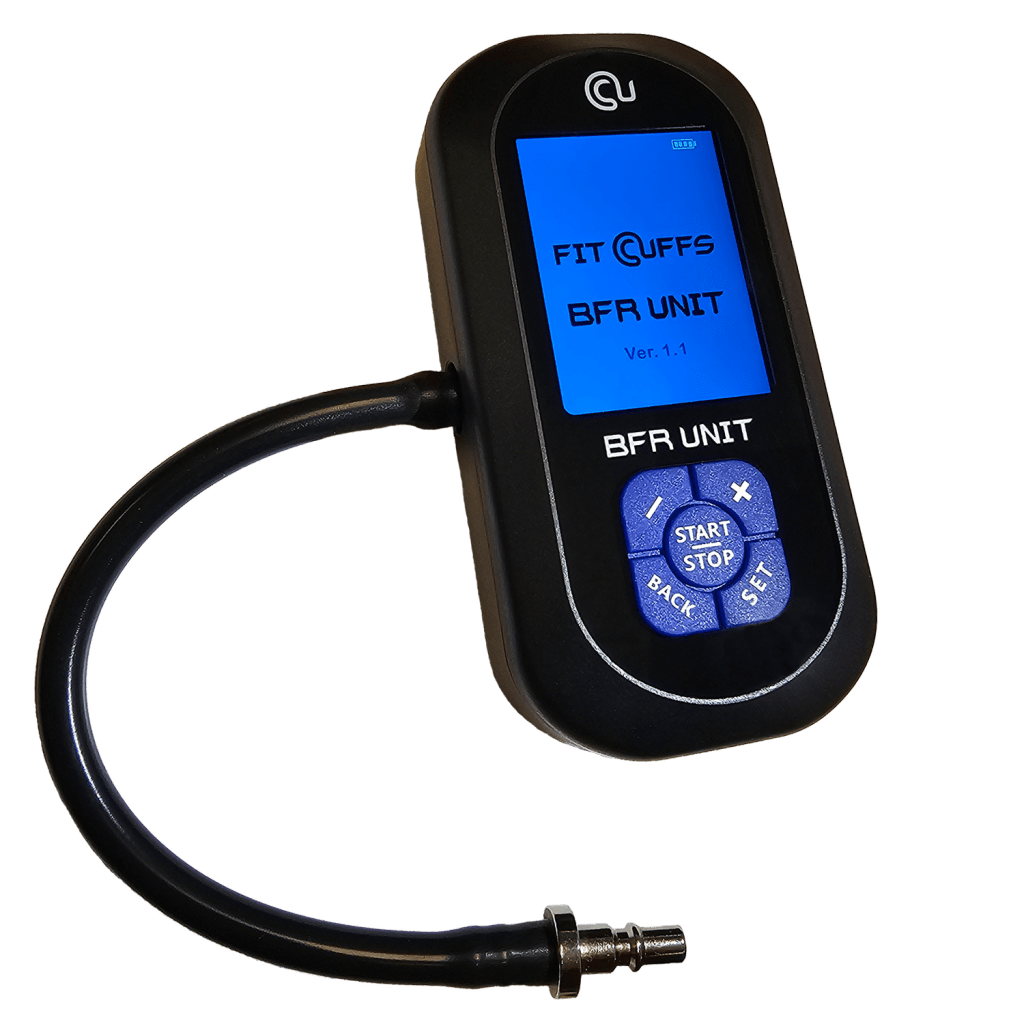
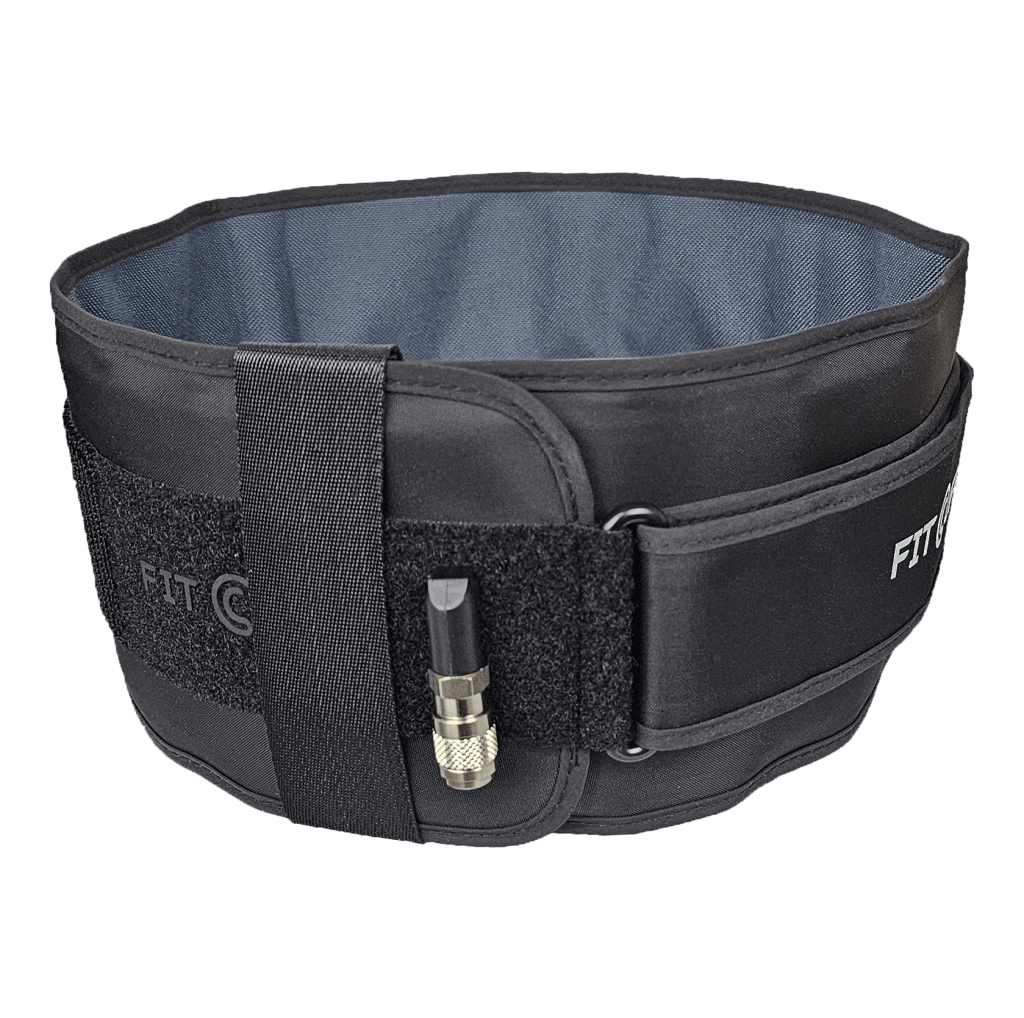
Blood Flow Restriction (BFR) can amplify muscle activation while keeping external loads light.
The Rational
Reducing the demand on the healing tissues aligns with the concept of graduated reconditioning, allowing the AC & GH joint to regain function and strength over time.
🤔 The Bigger Picture
While this distal-loading focus shows promise, questions remain:
- Will this strategy accelerate overall recovery?
- Does it effectively prevent long-term functional deficits or re-injury?
We continue to explore these questions through evidence-based updates and clinical insights
💡 What’s Next?
If you’ve integrated similar progressive load approaches in your post-surgical rehab programs, or if you’re aware of studies that evaluate these methods, we’d love to hear from you! Share your insights and experiences in the comments section
Source:
Beard et al. (2018). Arthroscopic subacromial decompression for subacromial shoulder pain (CSAW): a multicentre, pragmatic, parallel group, placebo-controlled, three-group, randomised surgical trial.
https://www.thelancet.com/journals/lancet/article/PIIS0140-67361732457-1/fulltext
Safford et al. (2024) Effects of Low-Load Blood Flow Restriction Training on Rotator Cuff Strength and Hypertrophy: Case Serie