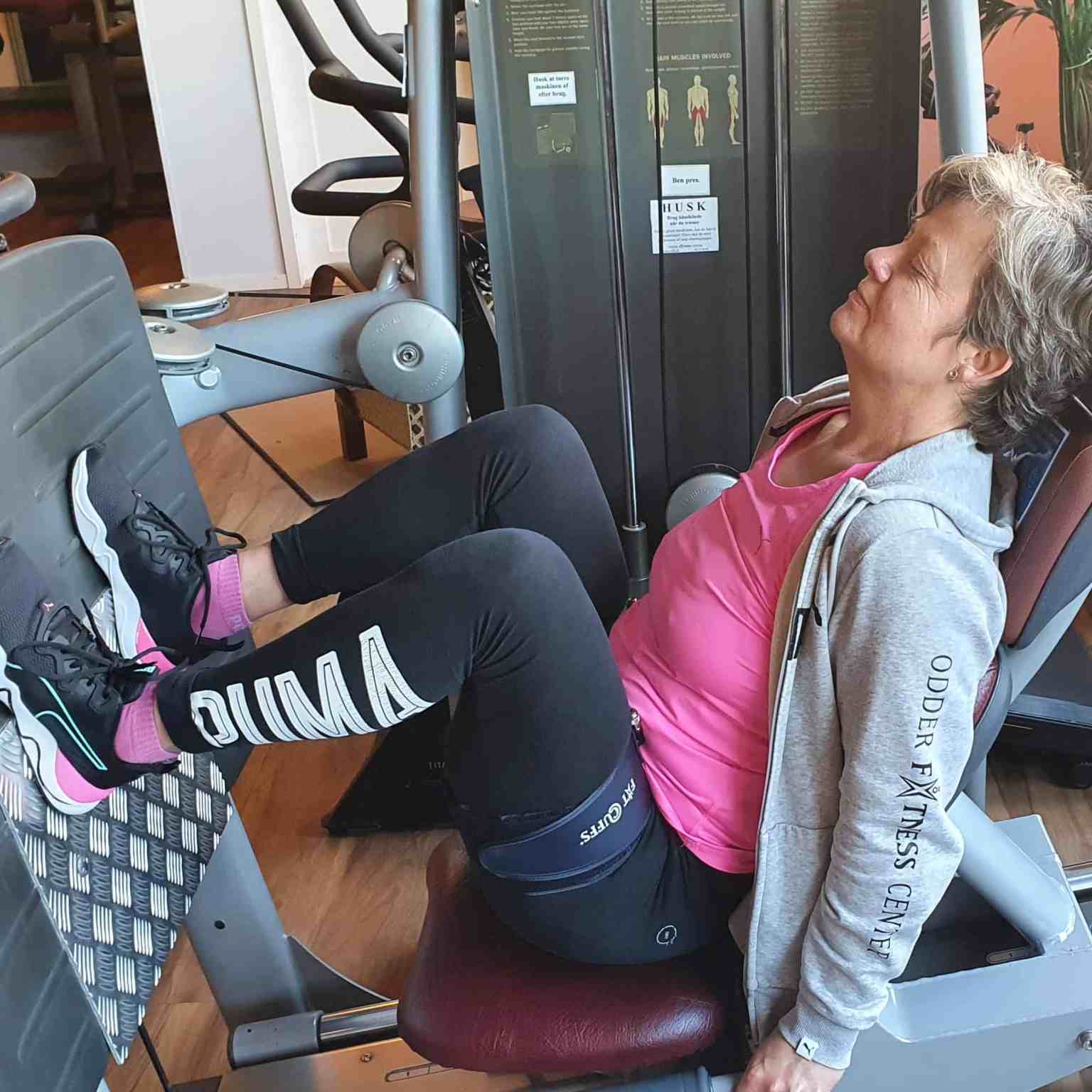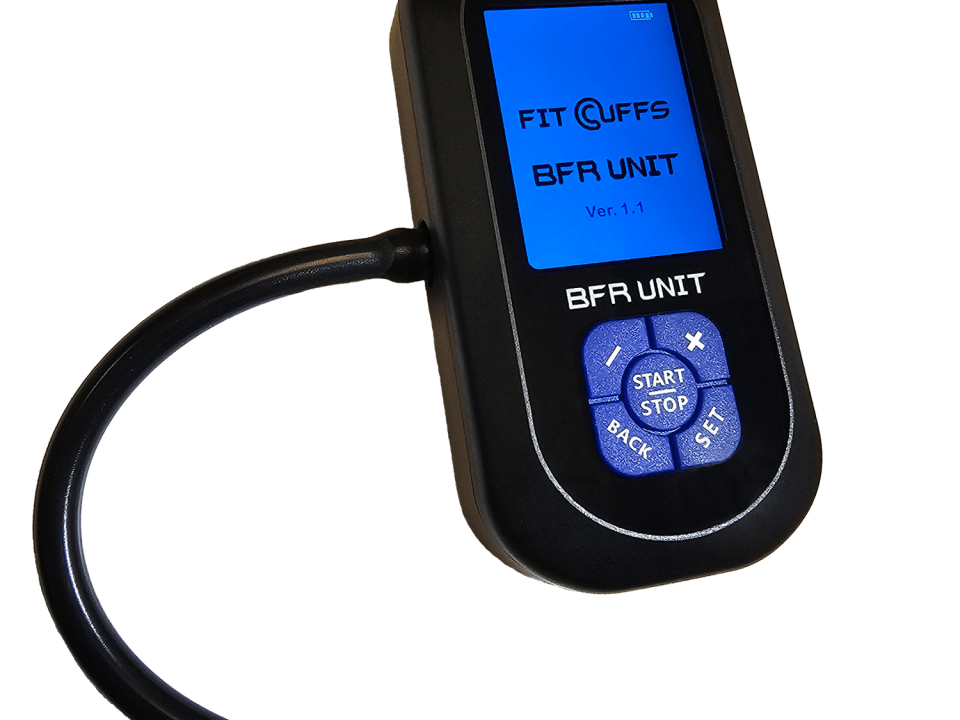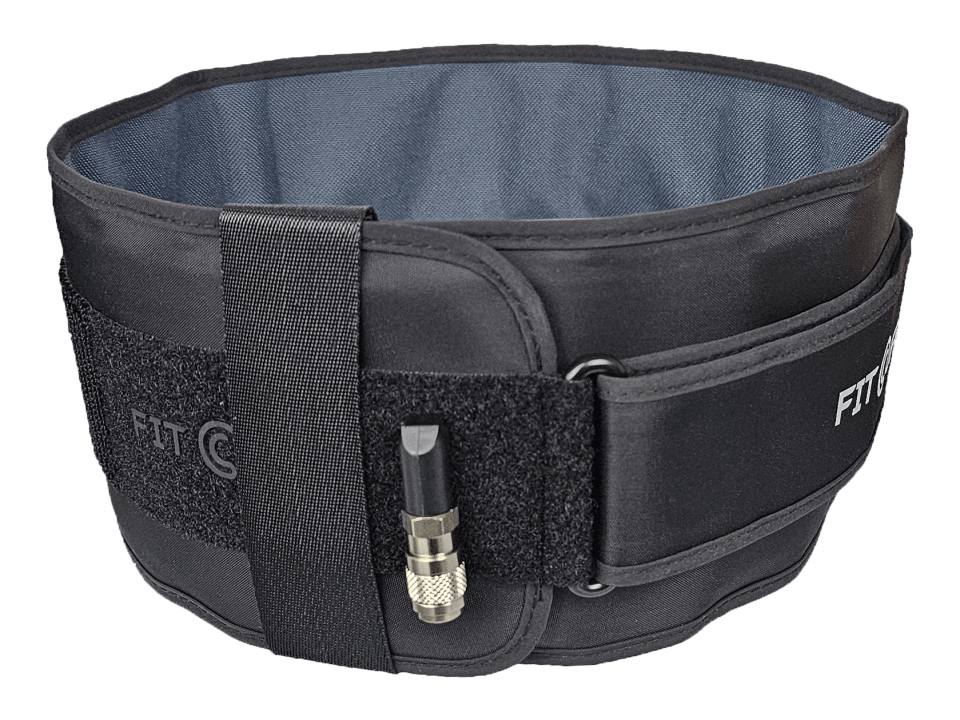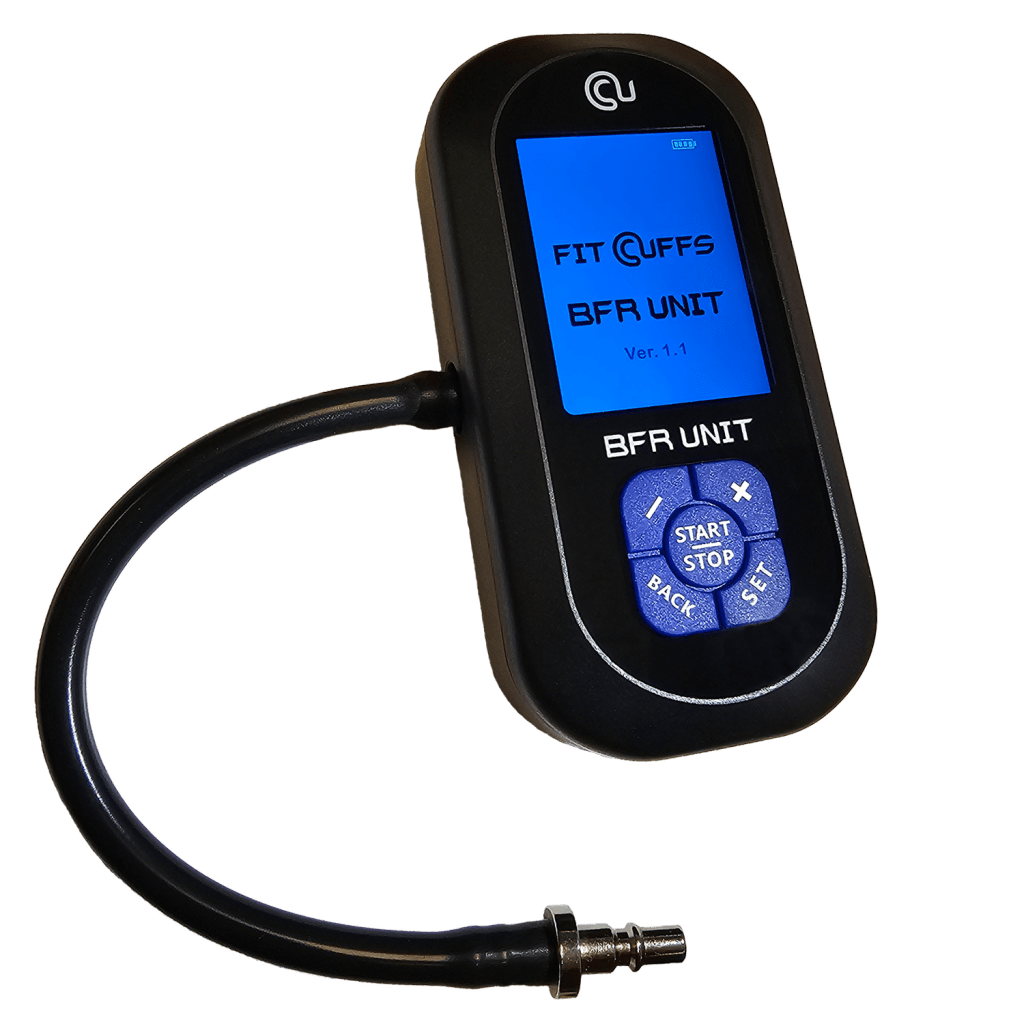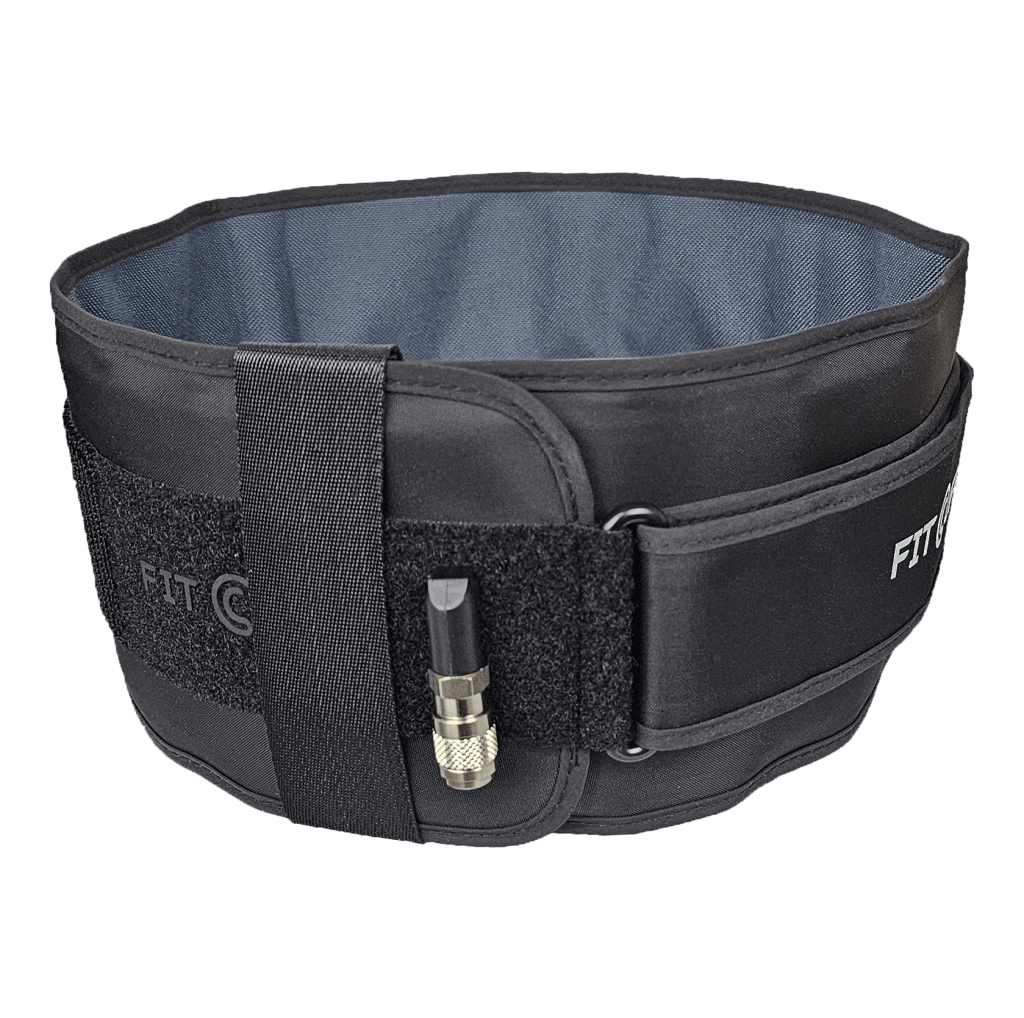


This is yet another post about arthritis and Blood Flow Restriction (BFR) with the brand new Leg Cuffs V3 in display!
Arthritis is the swelling and tenderness in one or several joints. The symptoms of arthritis are pain, stiffness, swelling, redness and/or decreased range of motion which typically worsen with age. The most common type of arthritis is osteoarthritis.
Osteoarthritis causes cartilage to break down over time, beginning with the lining of the joints.
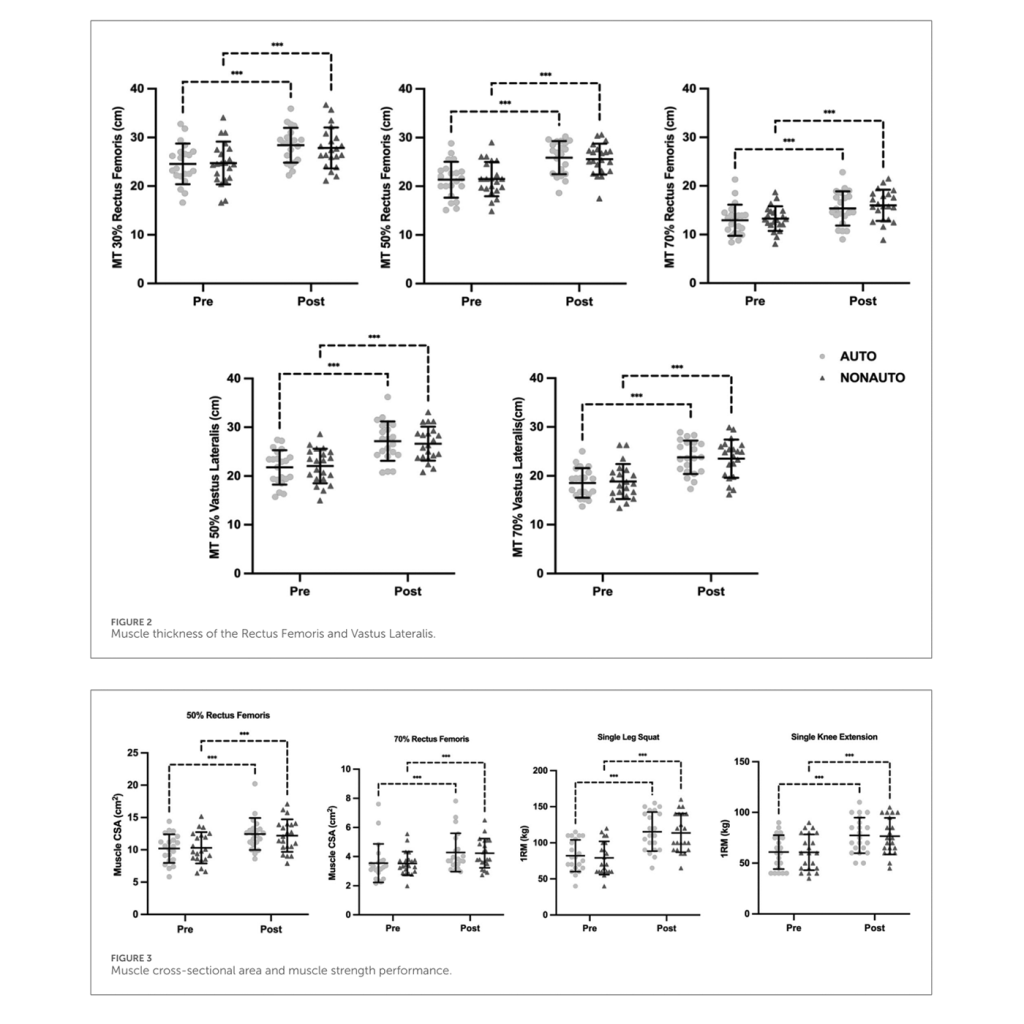
The main goals of all arthritis treatments are to reduce these symptoms and improve quality of life. Conventional resistance training is often prescribed for people suffering from arthritis, as it has shown to improve both outcomes. But for some individuals, the usual training regime can be an aggravating factor. That is why BFR Training, which is inherently low-load, has been proposed as a relevant application for people struggling to do conventional training with research also indicating this.
Worldwide estimates are that 9.6% of men and 18.0% of women aged over 60 years have symptomatic osteoarthritis and the prevalence is increasing. That is also why, it has been proposed as the most important implication for BFR on a population scale!?
Though, remember when applying BFR, this is often a novel training stimulus for the client. So, in order to achieve adherence, progression and not at least to avoid adverse advents, it is imperative that the principles of gradual exposure and the repeated-bout-effect are practiced.
In this particular case, Leg Extension and Leg press is implemented with high pressures at about (70-80% LOP) at about 20-30% 1RM. Because these exercises have shown to slightly aggravate symptoms from the knees even at low-load, which can be contraindicated, especially as this exacerbation is prolonged.
Conversely, Leg curls has not been identified as an aggravator, e.g. post exercise joint swelling or pain, when the range of motion is also controlled. Because of this a lower LOP at about 60% and a higher relative load at about 40% 1RM are utilized.
Source:
Harper et al. (2019) Blood-flow restriction resistance exercise for older adults with knee Osteoarthritis: A Pilot Randomized Clinical Trial.
Ferraz et al. (2018) Benefits of resistance training with blood flow restriction in knee osteoarthritis.
Giles et al. (2017 Quadriceps strengthening with and without blood flow restriction in the treatment of PFP.
Bryk et al. (2016) Exercises with partial vascular occlusion in patients with knee osteoarthritis a randomized clinical trial.
Segal et al. (2015) Efficacy of Blood Flow Restricted Low-Load Resistance Training in Women with Risk Factors for Symptomatic Knee Osteoarthritis.
Takarada et al. (2000) Applications of vascular occlusion diminish disuse atrophy of knee extensor muscles.