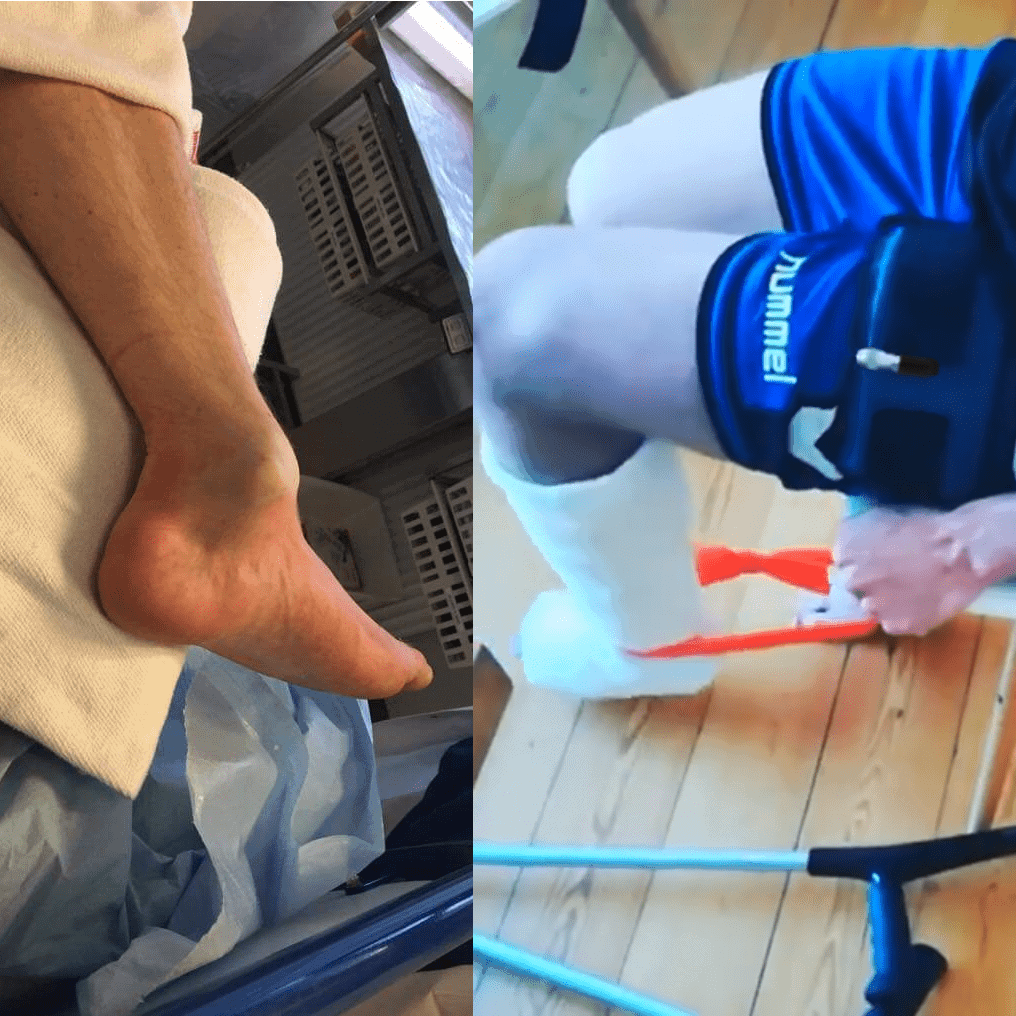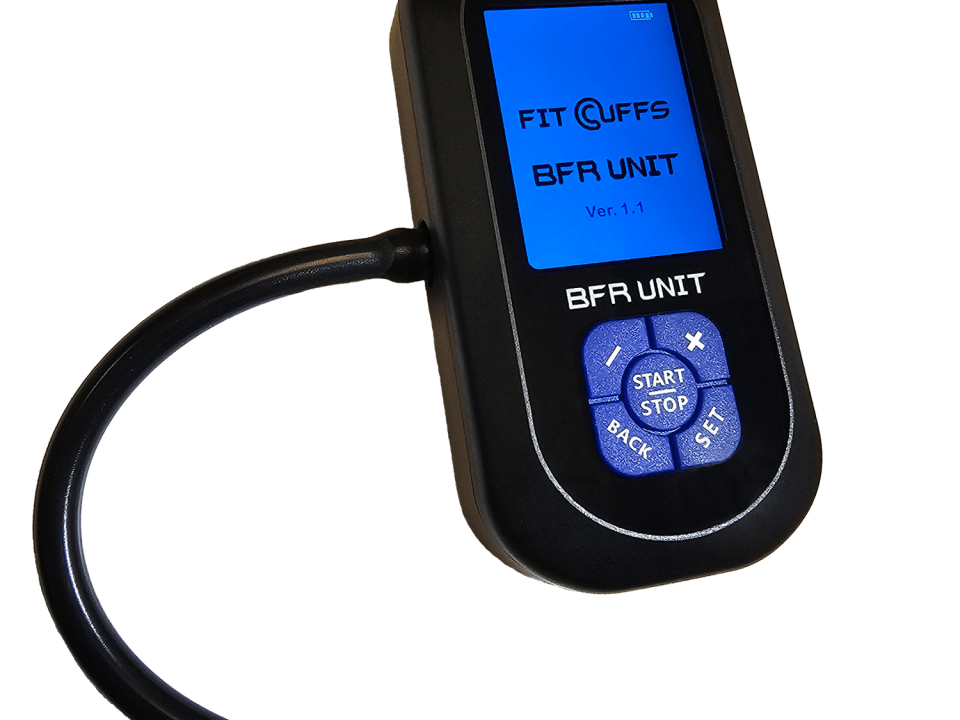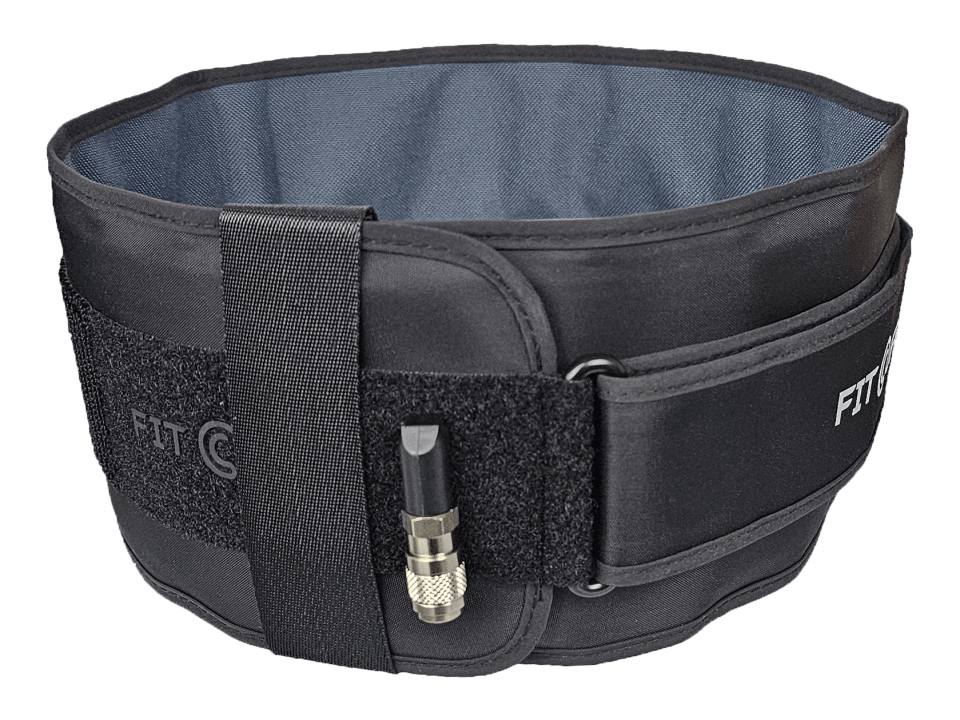


Researchers at Aalborg university wants patients faster on their feet after fractures with Blood Flow Restriction (BFR) Training.
Please mind that the images above contain explicit footage of a dislocated ankle fracture not from the present study.
3 semester students conducted a project in collaboration with Peter Larsen and Rasmus Elsøe at Aalborg University Hospital.
The aim this feasibility study was to explore if low-load BFR Training can help patients who suffer a major bone fracture regain their function faster.
People with major lower limb fractures often have to immobilize the injured leg in a cast for several weeks or months without being able to do specific resistance exercise for the particular limb.
Therefore, many people lose muscle mass, which leads to loss of function, reduced joint stability and strength as well as pain, explains chief physician Rasmus Elsøe from the Department of Orthopedic Surgery.
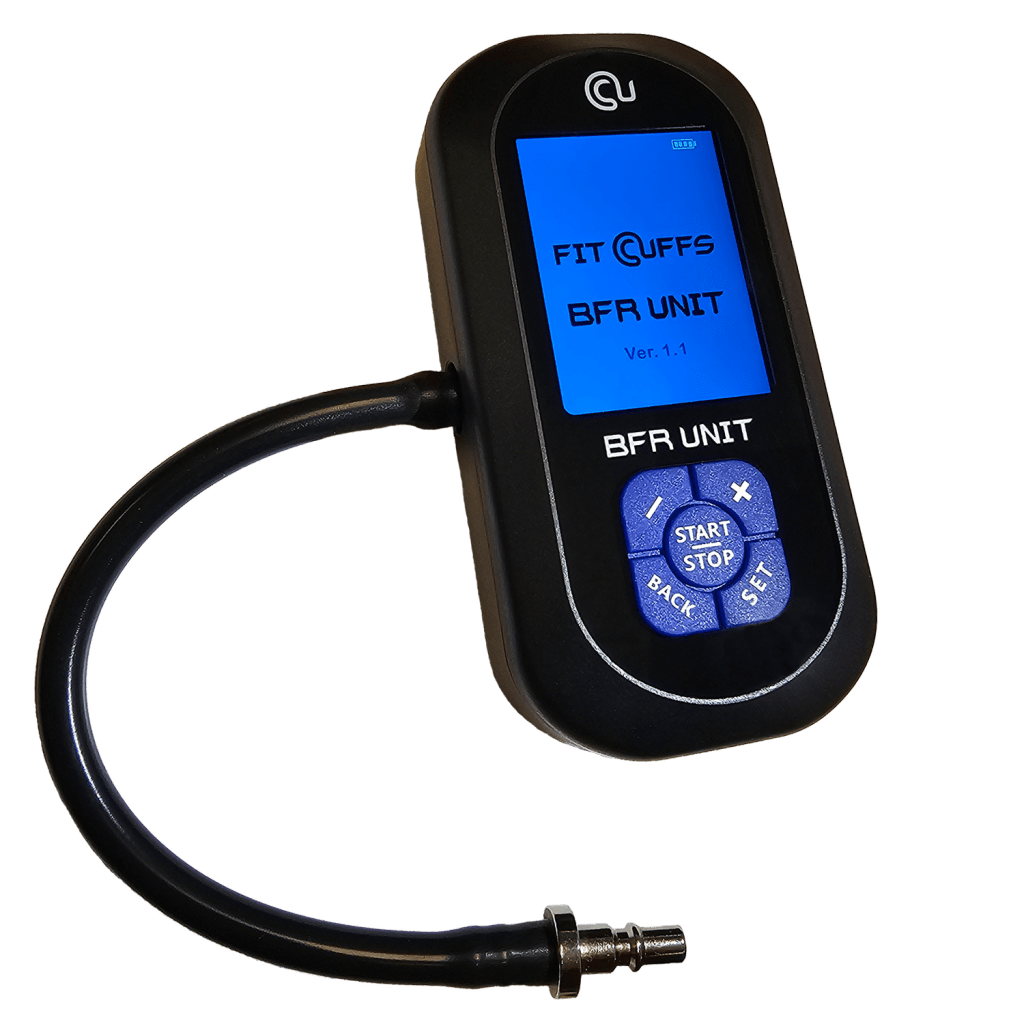
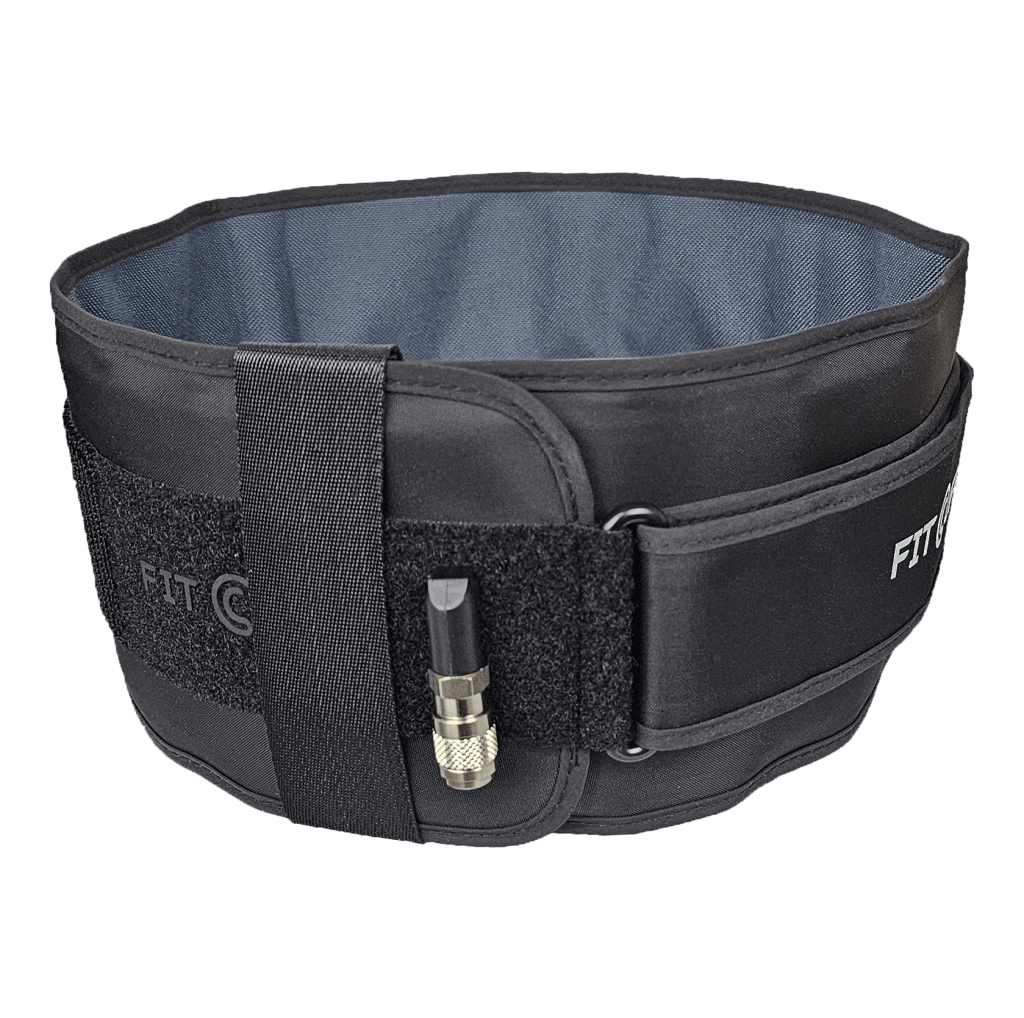
The specialized training is called “occlusion training” aka BFR Training which is low-load resistance training combined with partial restriction of the blood supply to the working muscles.
In healthy people, this training seems to increase muscle mass and muscle strength about as much as conventional resistance training, but with less impact on bones and joints – so, we hope that this also applies to patients with bone fractures, says physiotherapist Peter Larsen from the Department of Physiotherapy and Occupational Therapy.
Exactly this form of training is interesting to take a closer look at, as it potentially provides the opportunity to initiate rehab sooner compared to standard care, thereby attenuate the loss of muscle mass and strength and reduce functional deficits. Their semester project showed promising results and for the majority of patients, this new form of training was a positive experience.
This study provides exciting new perspectives for future studies that can explore whether this new form of exercise can get our patients back to full function faster after bone fractures.
Stay tuned for a follow-up study comparing the functional effect of early BFR intervention in fracture rehab.