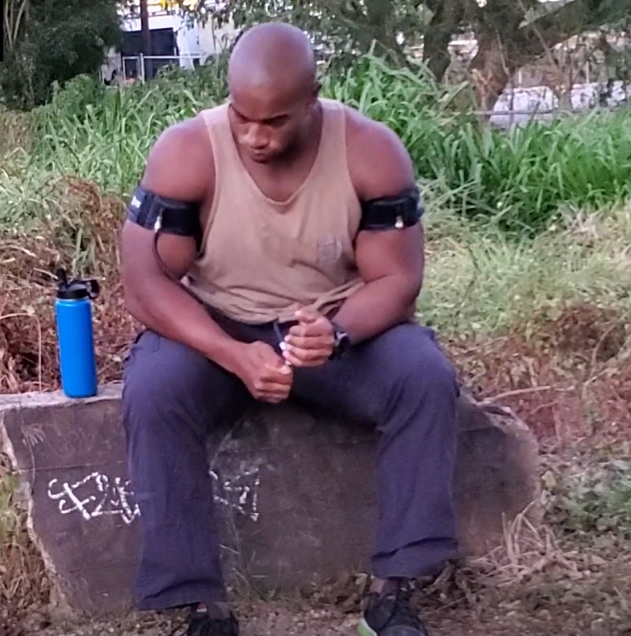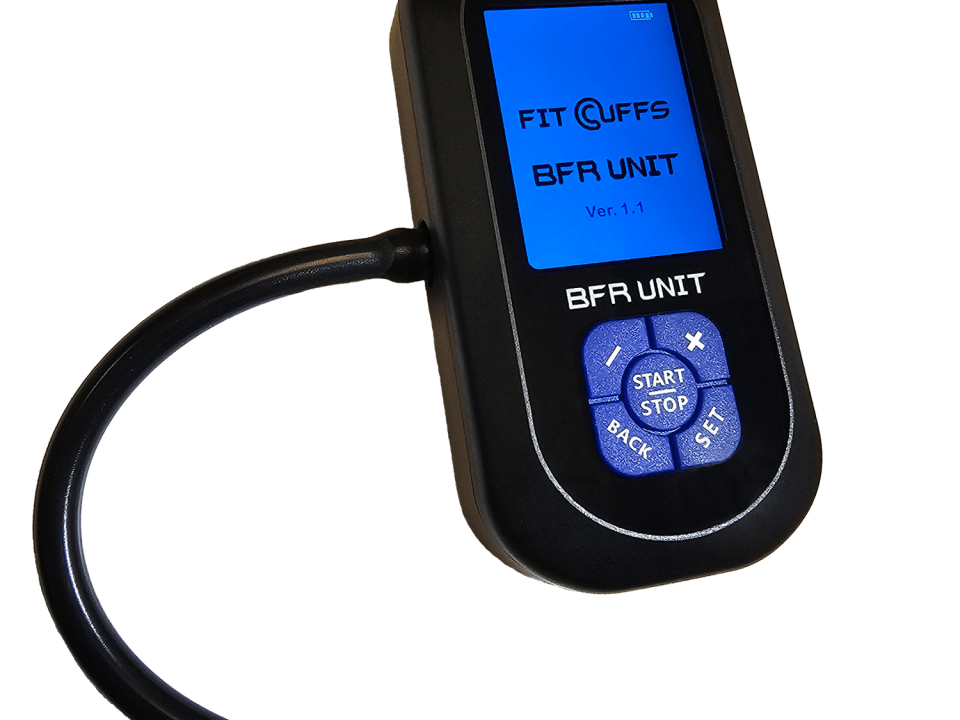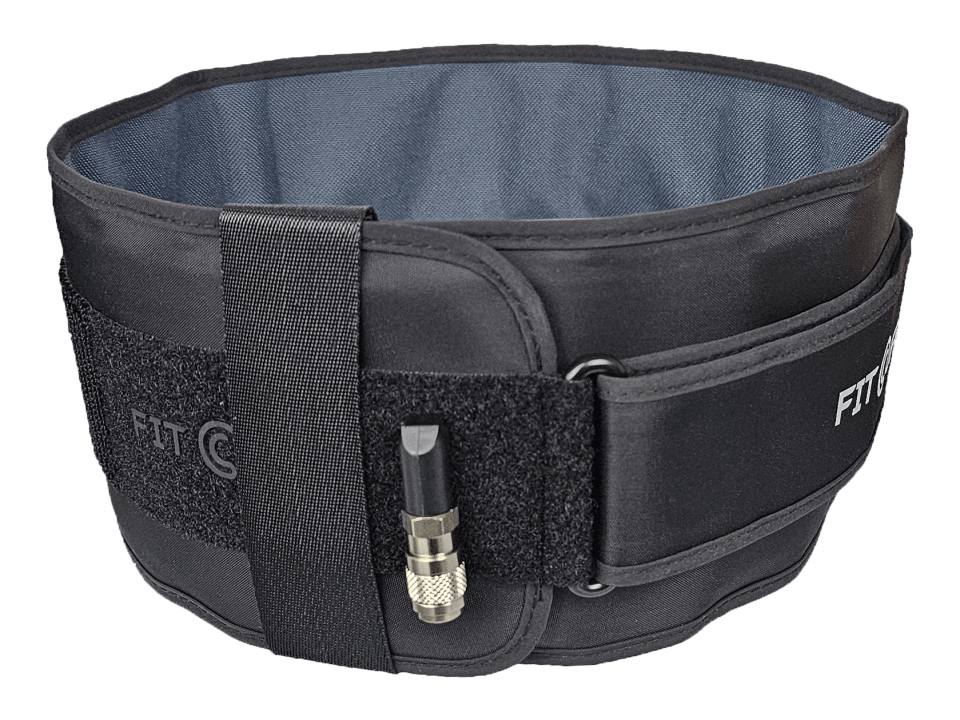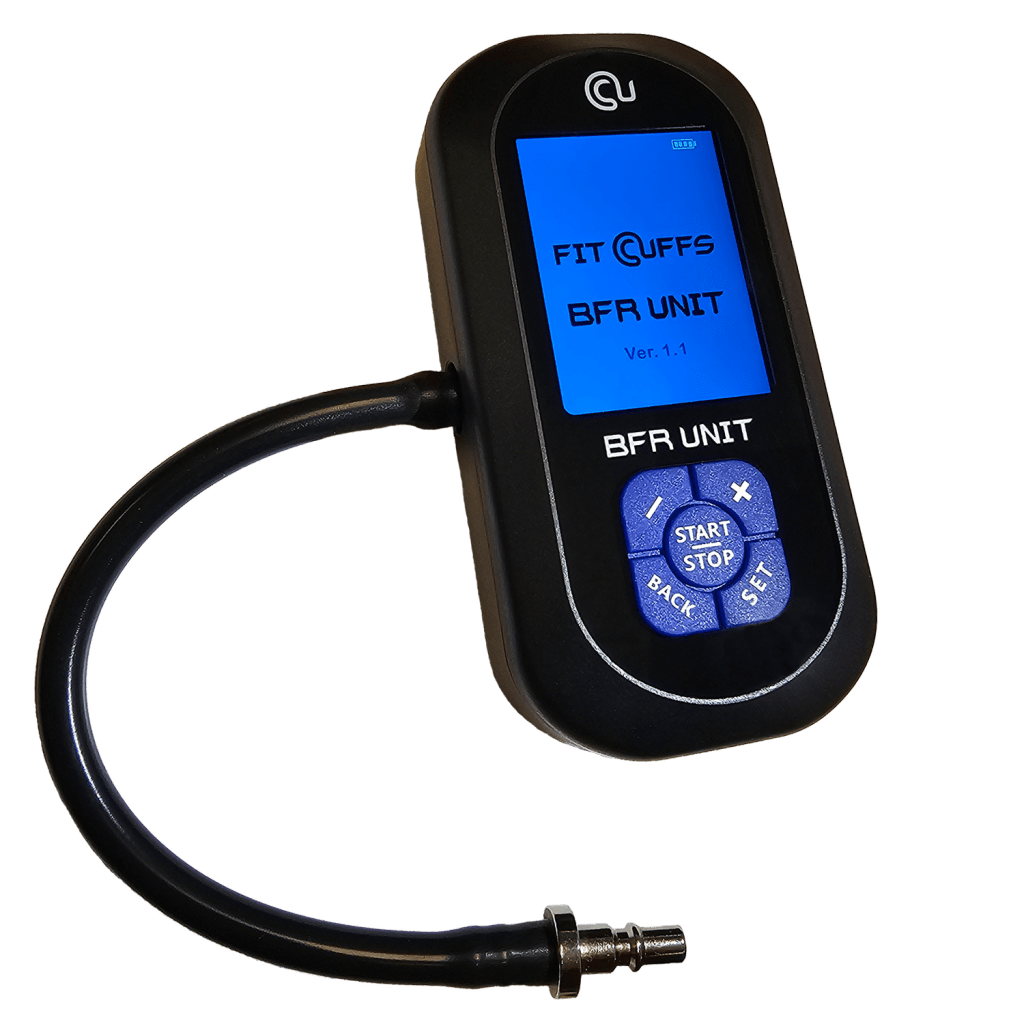


In this video we got even more great exercises to the repertoire of low-practical BFR upper body exercises, you can do about everywhere and any time of the day.
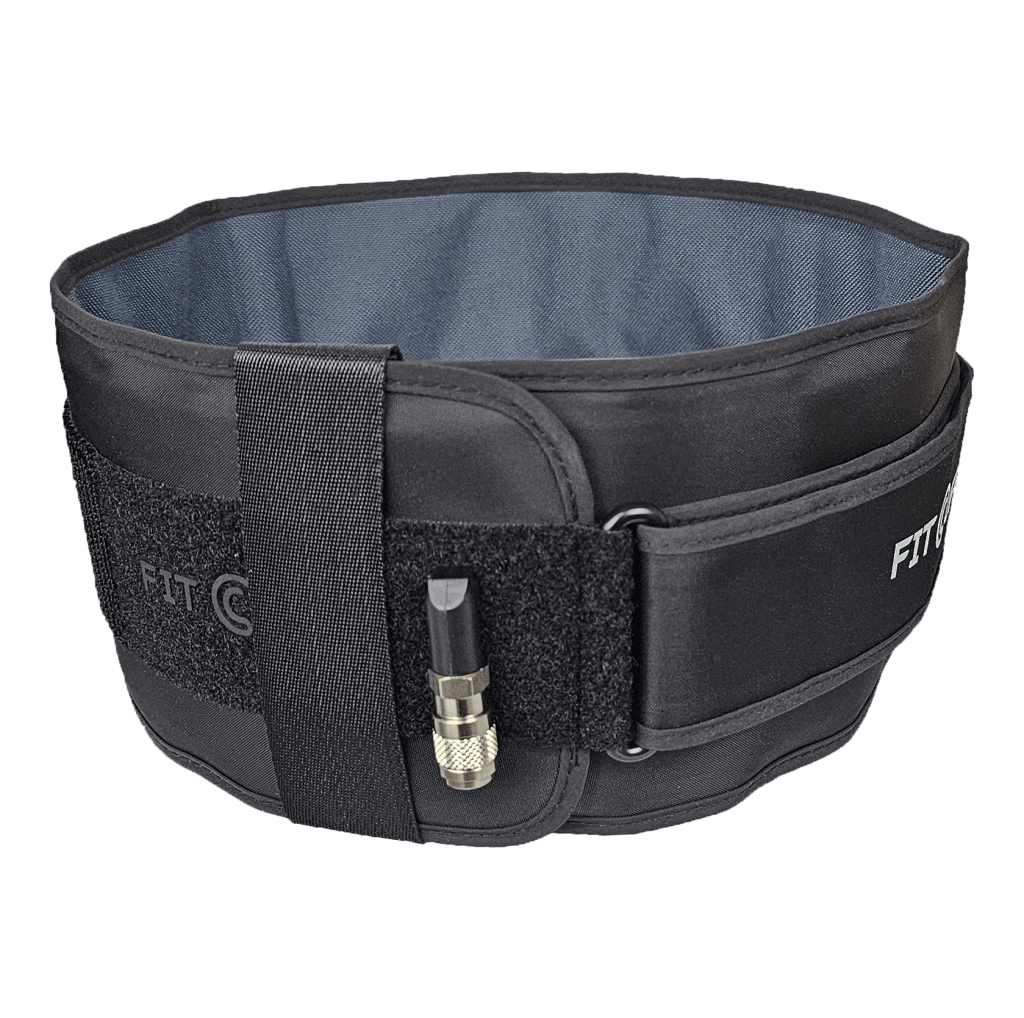
By augmenting your conventional exercise selection by Fit Cuffs, you got access to an effective, convenient and significantly less time demanding workout:
0:02 Bodyweight Dip.
0:05 Leg Elevated Chest Press.
0:07 Reverse Flyers.
0:13 Dumbbell Chest Pres.
0:20 Seated Dumbbell Curls.
0:26 Added load by stacking a tire with dumbbells.
0:44 Upright Rows.
0:48 Standing Dumbbell Curls.
BFR can be relevant for athletes, gym rats, and not to forget, in musculoskeletal rehab where high-load may initially be contraindicated. Basically, BFR lets you become stronger, with less stress on the tendon and articular structures, which is relevant for periods of deloading or as a finisher after a conventional workout.
Both programming modalities can be equally as effective and during this time, with limited access to the gym, BFR is probably more pertinent than ever. But as presented in the previous two posts, with reference to the newest and relevant data, it seems appropriate, that BFR is primarily used as a finisher, or as a substitute for shorter periods (<4-6 weeks). We especially recommend BFR as a part of a periodization programming, for individuals with high volumes of resistance training or for athletes with high intensity weight bearing activities. Simply applied as alternating weeks of either high-load training or low-load BFR training followed by weeks as a short finisher to a high-load training session. source: Bagley et al. (2015) Is Blood Flow Restriction Training Beneficial for Athletes? Scott et al. (2015) Blood flow restricted exercise for athletes: a review of available evidence.