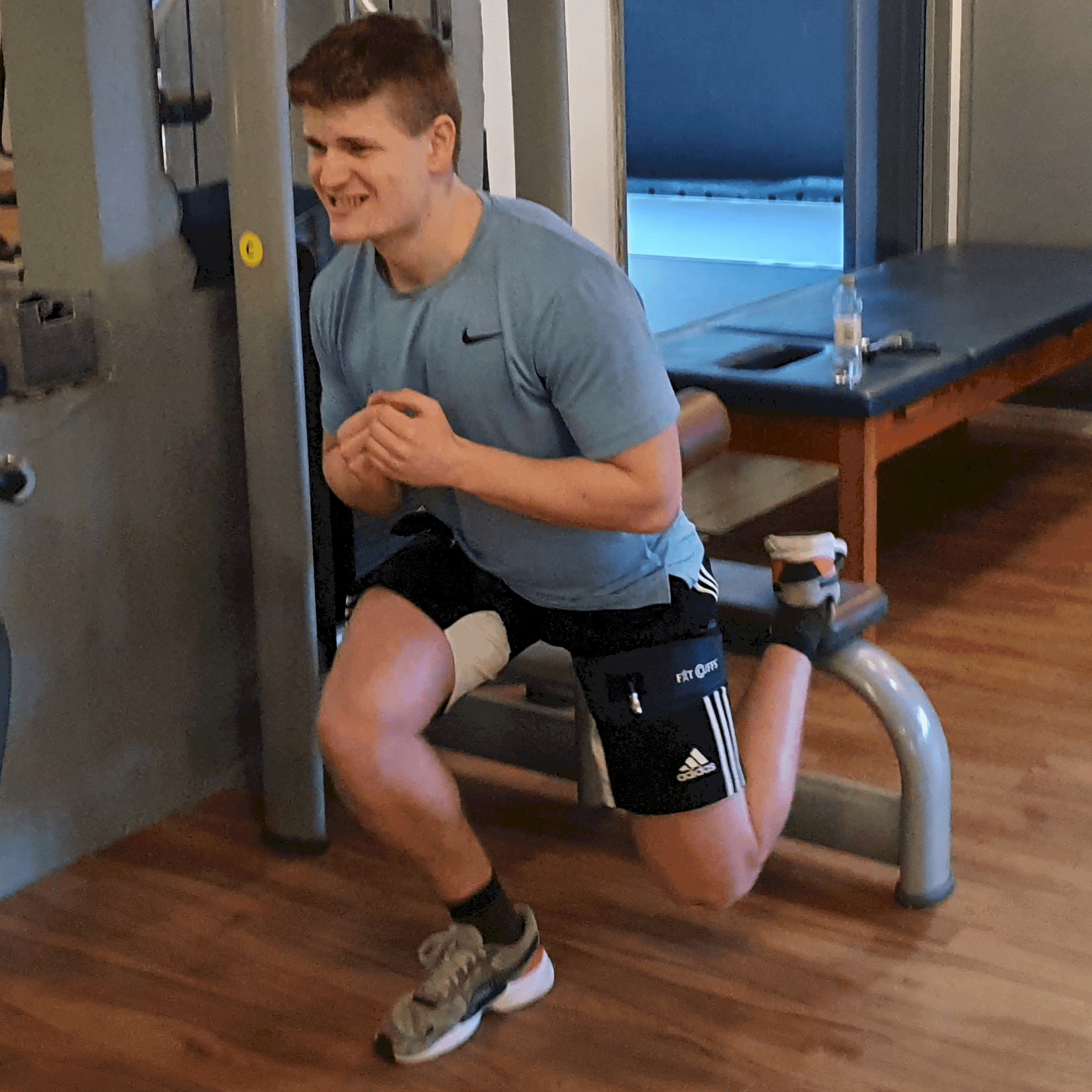


In this post we discus the concept of Low-load BFR training as a potential rehab modality for knee pain
In a recent meta-analysis by Cuyul-Vasquez et al (1), the authors discovered that only low-quality evidence can be identified for Low-load BFR training on pain and function when compared to Conventional resistance exercise. Though, in a response to this meta-analysis as a “Letter to the Editor” Cerqueira et Vieira (2) acknowledge the current lacking evidence, however, the authors would like to contribute to the discussion on the possible benefits of Low-load BFR training for the treatment of general knee pain.
The disputed statements & analysis from the original meta-analysis:
In the original paper the authors compared BFR exercise at 30% of 1RM vs Conventional high-load (70% 1RM) and low-load (30% 1RM) exercise.
Considering, the reported different results when Low-load BFR is compared to Conventional high-load vs low-load exercise, it is reasonable to consider that pooling the results from two distinct exercise intensities may have affected the results. A relevant shortcoming in the original RCT’s, is the fact that few studies match the exercise volume. As you will often find the BFR group has higher exercise volume as defined as load x reps x sets.
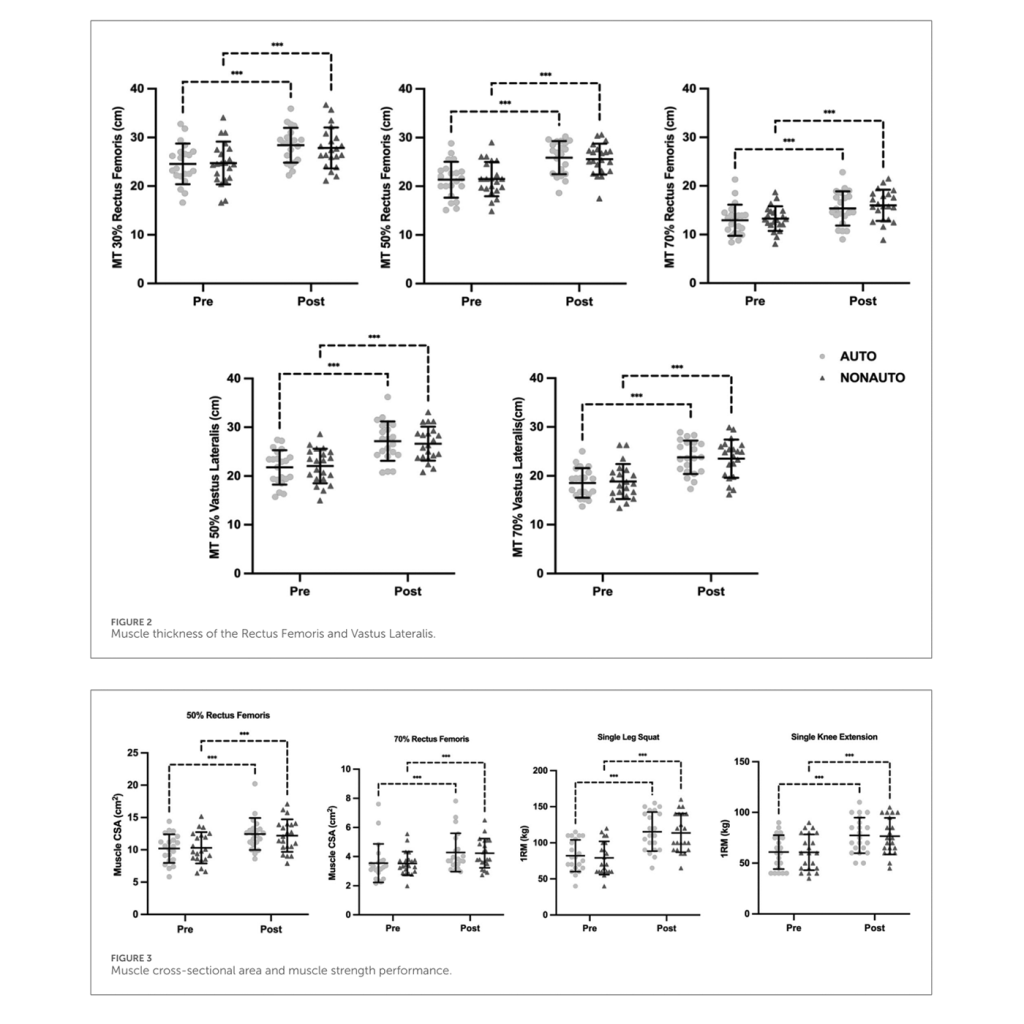
From the results in several original RCT’s and other reviews, it seems apparent that Low-load BFR is superior in regards to strength vs conventional Low-load exercise when the reps and volume are matched.
It is also well established that load-low BFR have similar but maybe slightly less effects on strength when compared to conventional high-load exercise.
Conversely, it can be proposed that for individuals who struggles with high load exercises due to aggravation of joint pain, that low-load BFR exercise can outperform conventional high-load training. This hypothesis is both in regards to worsening of joint pain but probably also in terms of strength as pain and not perceived effort can be the limiting factor for this subgroup.
This notion is consistent with Giles et al. (3), as they identified that for subgroups with higher levels of patellofemoral pain had additional strength gain with low-load BFR vs High-load training.
Subsequently, the drop-out rate for such subgroups is considered to be higher, which can be difficult to adjust for during data analysis.
Considering all of this, it seems appropriate to conduct both stratified and subgroup analysis as main outcomes for future RCT’s and if applicable for reviews as well:
1. Comparing functional, strength and pain levels, for individuals who experience pain aggravation associated with High-load training vs Low-load BFR
2. Load-low BFR vs Conventional Low-load training.
3. Load-low BFR vs Conventional High-load training.
Considering the current evidence, we find it reasonable to recommend low-load BFR training in clinical practice for people with knee pain, who currently or previously has experienced that conventional high-load training is an aggravating modality. But more research for low-load BFR for knee pain is still highly pertinent.
Source:
1.Cuyul-Vasquez et al. (2020) The addition of blood flow restriction to resistance exercise in individuals with knee pain- a systematic review and meta-analysis.
2. Cerqueira et Vieira (2020) Letter to the Editor about the article – The addition of blood flow restriction to resistance exercise in individuals with knee pain- a systematic review and meta-analysis.
3. Giles et al. (2017) Quadriceps strengthening with and without blood flow restriction in the treatment of PFP.