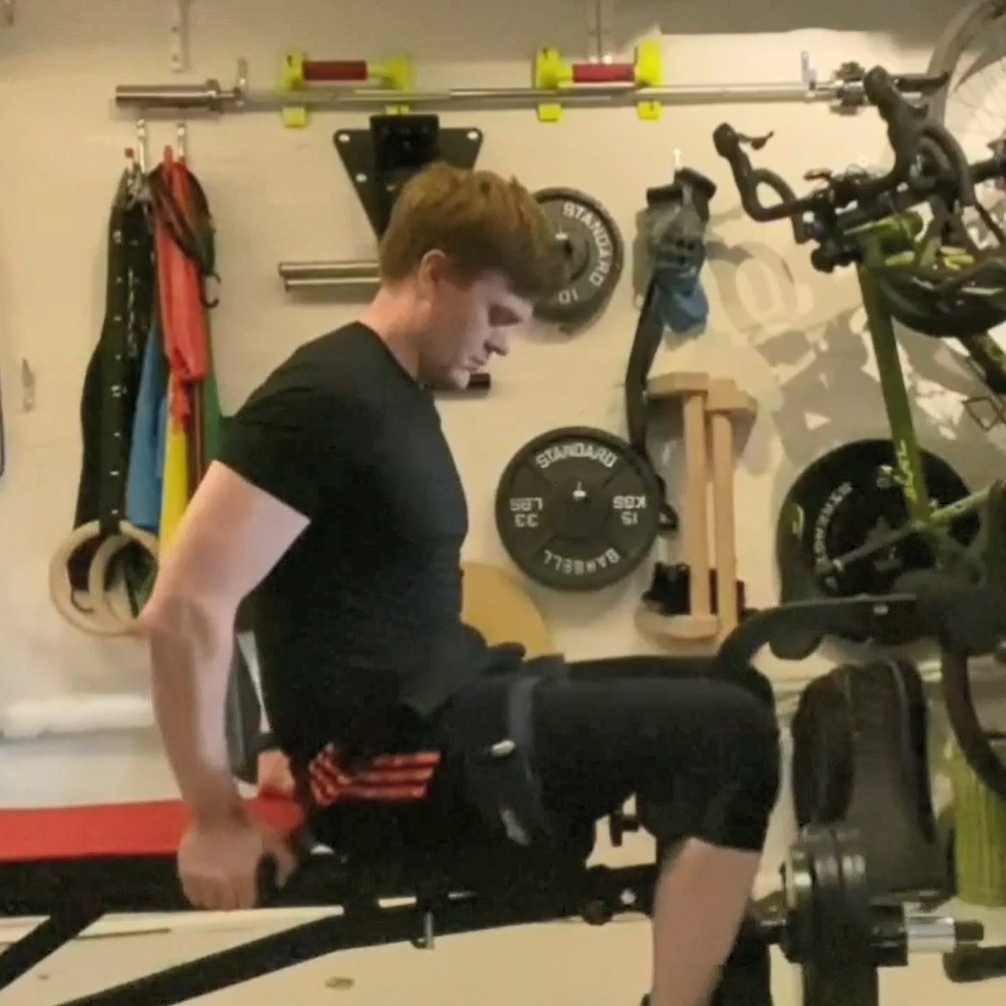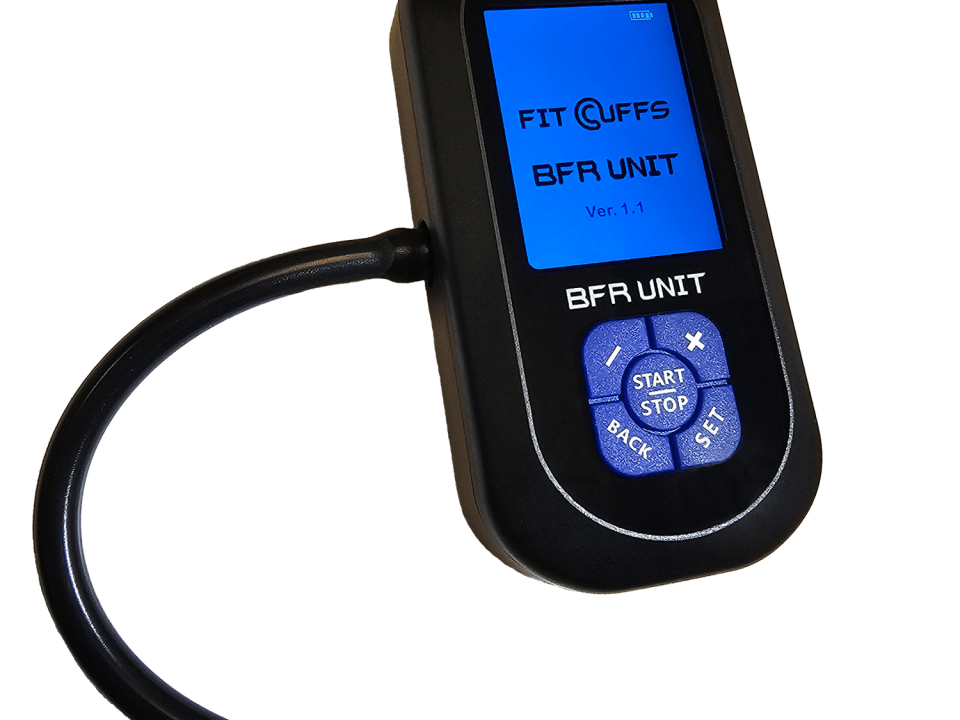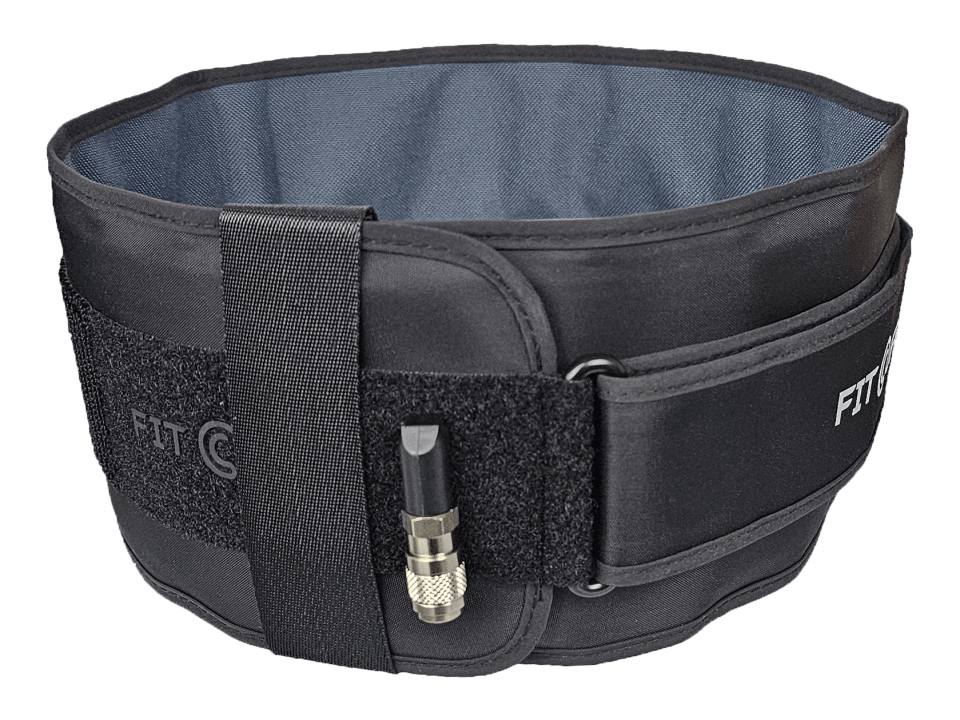

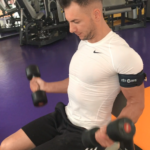

In display we got another great example of a home gym which is the perfect setup for an effective lower body workout with “okklusionstræning” BFR training
Leg Extension + Leg Curl + Seated Calf Raises.
Noticeably is the possibility for single-joint exercises which can be an important training modality and has been proposed as the optimal way to start off with BFR. So, keep on reading for the rational of doing single-joint exercises:
A common Jargon among the dinosaurs of health care and fitness professional’s is that movement patterns should be trained as opposed to individual muscle groups. Because single-joint exercises are mostly not a part of ADL, sports or other recreational activities, they are often labelled as nonfunctional and therefore excluded from rehab and performance programs. But as you might already know, this bold argument is somehow outdated and unnuanced.
Compared to multi-joint exercises, single-joint exercises like leg extension is unaffected by proximal fatigue occurring in the prime movers, e.g. squats favor glute max at the likely expense of quadriceps exertion. Conversely, single-joint exercises, can be a better option to reach the effective rep range unaffected by the exertion experienced in the surrounding and synergistic muscle groups.
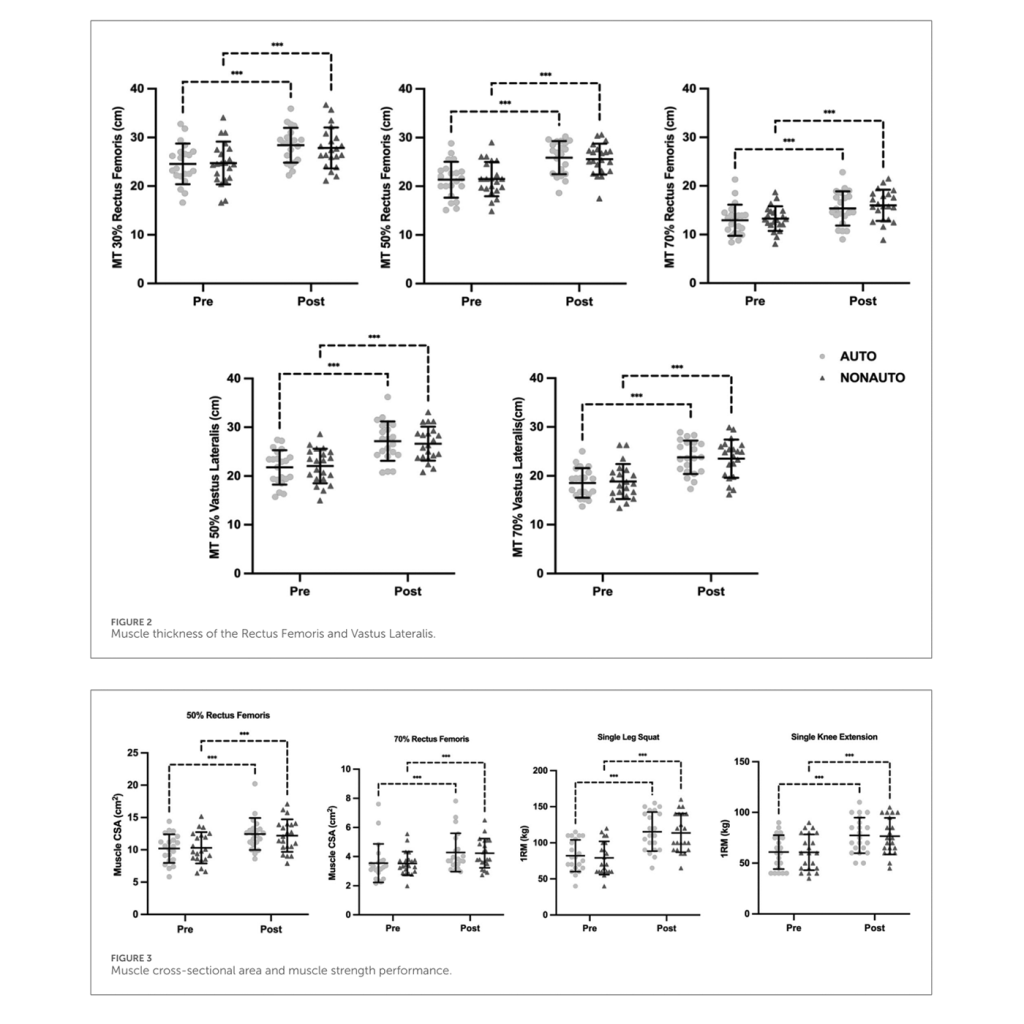
By augmenting conventional multi-joint exercises with single-joint BFR exercises it is possible to gain specific muscle strength that is directly transferable to ADL and sports performance, above which can be achieved with multi-joint training alone.
Because low-load exercise and thereby inherently BFR, must be performed with high exertion on the targeted muscles in order to reach the state of near volitional failure, single-leg exercises can in some instances be preferable. This is particularly relevant for people unaccustomed to BFR, as single-leg exercises can be a great way acclimating to the significant stress of BFR.
Additionally, Leg curls improves stretch tolerance because of increased fascicle length through the addition of sarcomeres in series which improves the functional muscle length and has shown to be relevant for injury prevention and performance, e.g. sprint speed etc.
Source:
Schoenfeld et. Contreras (2012) Do Single-Joint Exercises Enhance Functional Fitness?
Gentil et al. (2015) Single vs. Multi-Joint Resistance Exercises: Effects on Muscle Strength and Hypertrophy.
Stien et al. (2020) Training specificity performing single-joint vs. multi-joint resistance exercises among physically active females: A randomized controlled trial.