

This recreational athlete (true ⚽️) experienced pain with squatting, sumo deadlifts and similar type of exercises, with symptoms originating profound (deep) within the groin.
Subsequently, special tests were positive for both FABER (hip Flexion-ABduction-External Rotation & FADIR (hip Flexion-ADduction-Internal-Rotation).
As both history and tests indicated intra-articular irritation e.g., overuse injury of the labrum of the hip, reminiscent of Internal Hip Impingement aka Femoroacetabular Impingement (FAI). Even though, FAI can further be classified relative to structural characteristics of the hip as either CAM, PINCER or both, a pragmatic approach without further specification by MR is often sufficient for positive rehab outcomes.
For most types of overuse injuries with or without any underlying mechanical morphology, 100% bullet proof diagnostics, isn’t necessary to achieve relief while maintaining or improving physical function. In this case, simply doing too much of specific exercises too soon had initiated the symptoms and if not managed properly would most likely exacerbate.
First line care for this athlete would be working around pain in a progressively manner and other passive modalities as hip mobilization techniques being secondary, to support performing at the upper best. So, whenever appropriate relative to the severity of the injury aiming for non-time-loss management e.g., missing no playing time.
Both general and joint specific warm-ups, wasn’t relieving pain as conventional wide knee squats and similar movements where still tricky, so other strategies were explored.
The immediate objective was to determine the least affected squatting pattern and as often seen with these types of hip problems, limiting hip abduction, deep hip flexion and external rotation of the femur seemed most comfortable.
So, as displayed in the video with the smith-machine squats was selected because the fixed bar paths enable You to place the feed in front of the axial load, mitigating the deep of part of the ROM (hip flexion) without deviating to far from conventional squatting. Secondly, by applying a narrow stance hip abduction and hip external rotation are also limited.
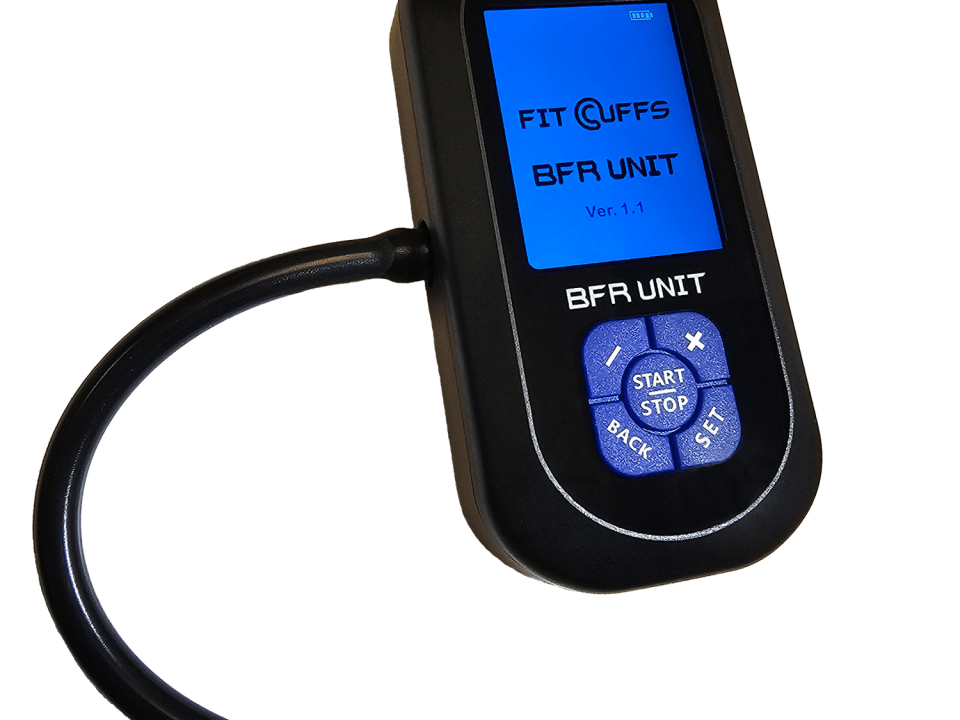
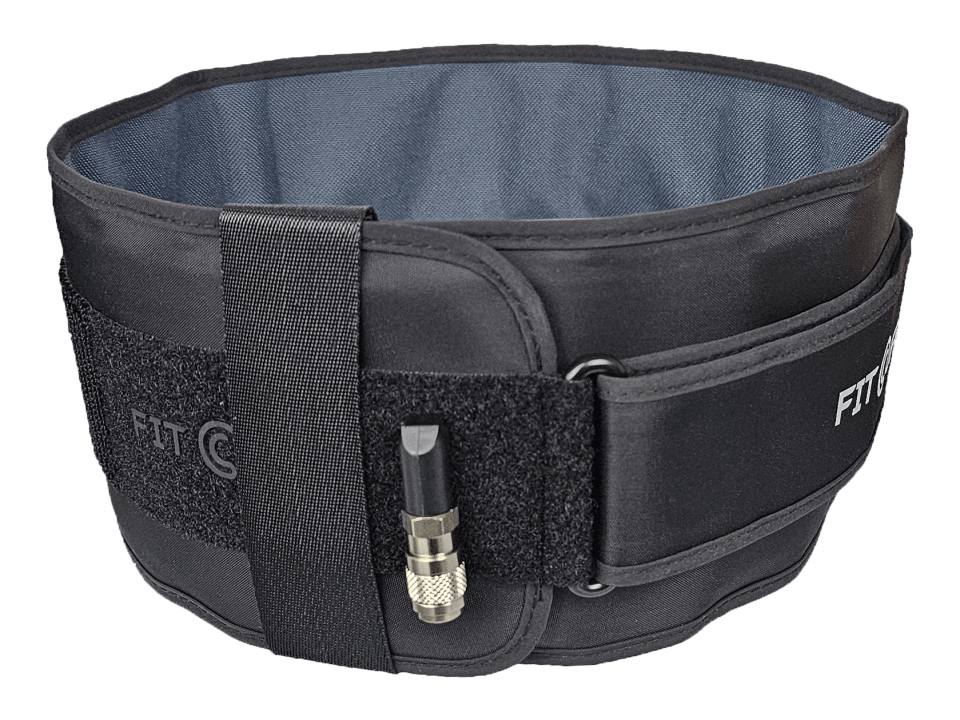
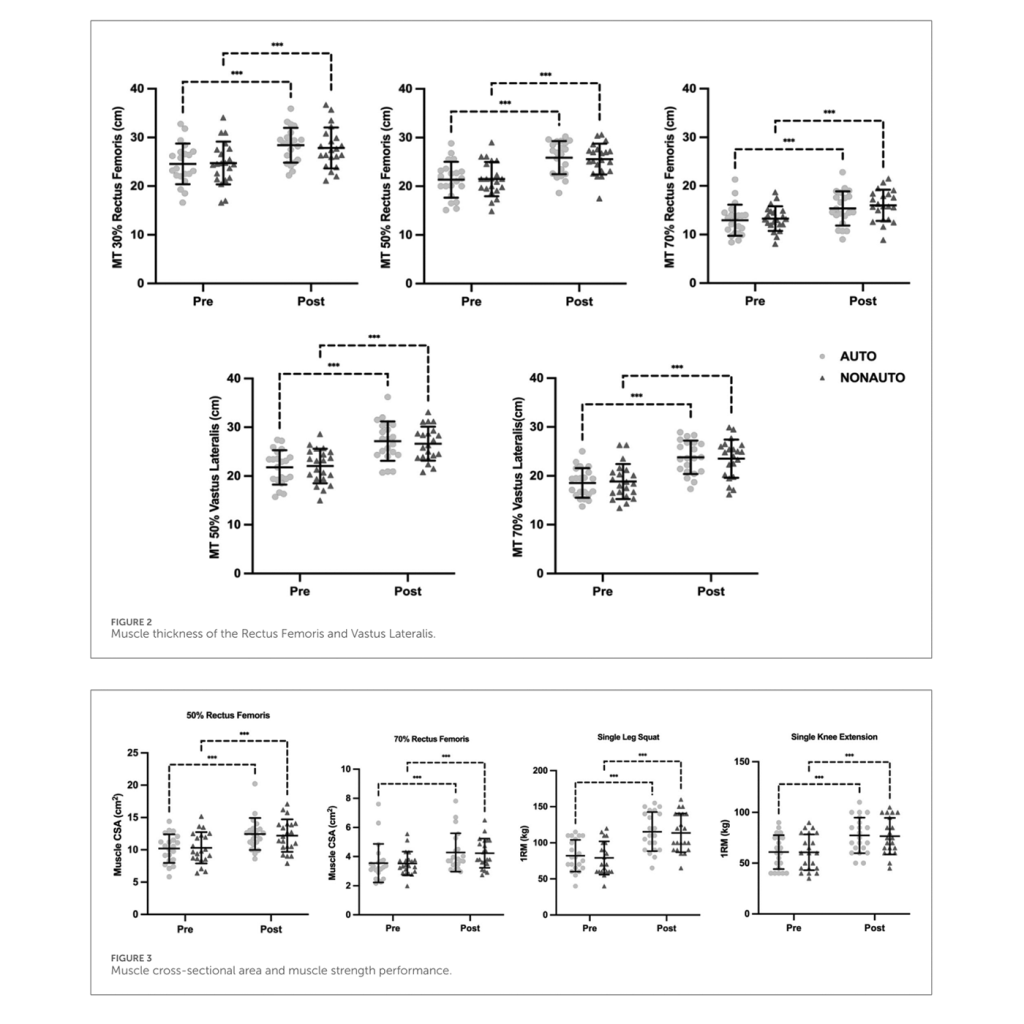
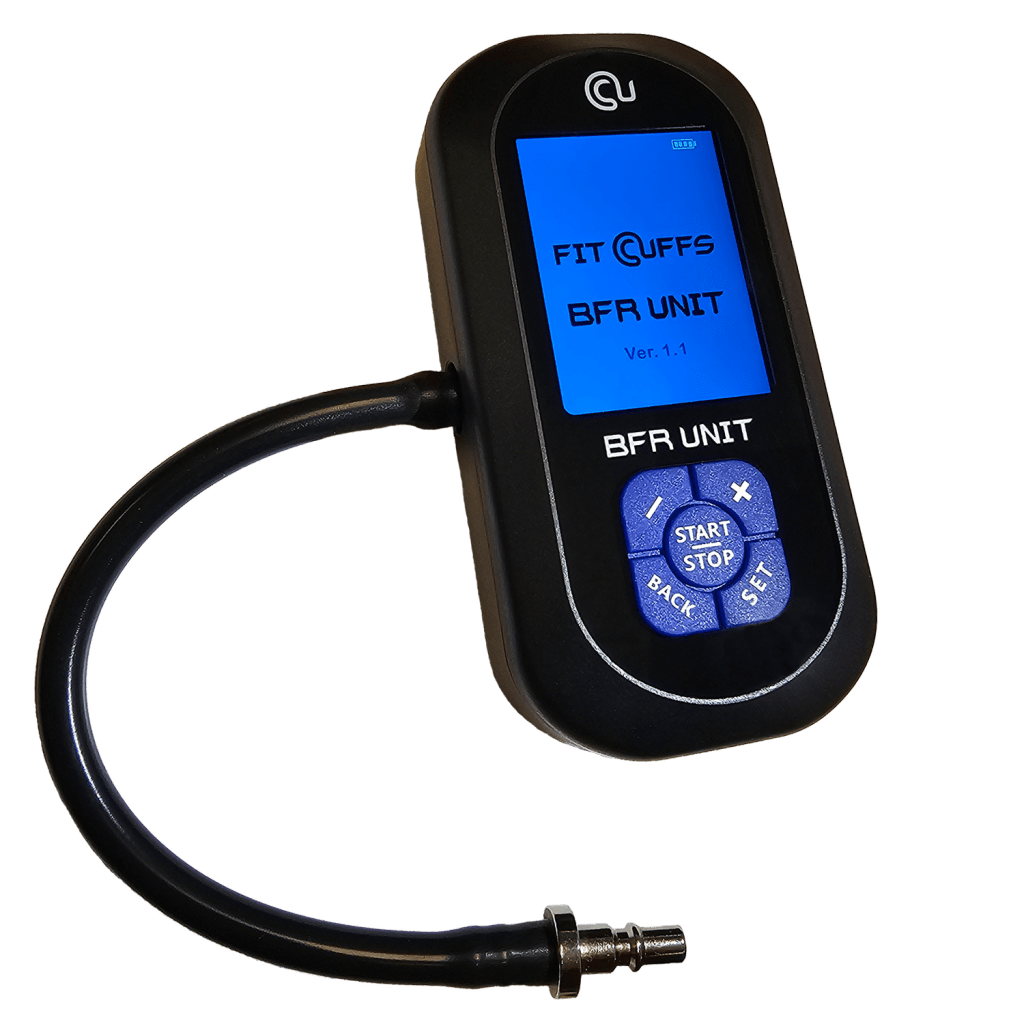
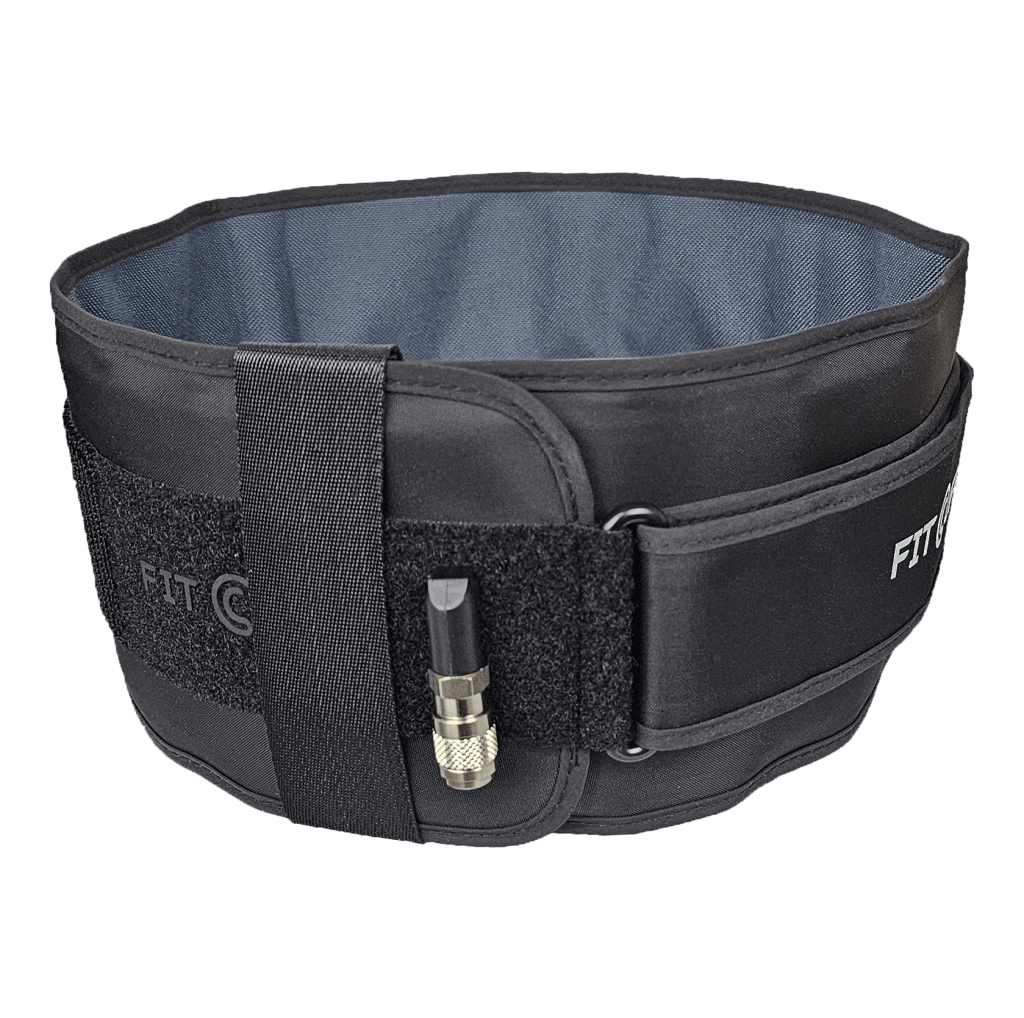
Thirdly, using low-load the compressive forces within the hip is further eased. And by applying Blood Flow Restriction the effective rep range is reached sooner and volume load is simply less compared with conventional low-load training.
Source:
Luebbers et al. (2014) The Effects of a 7-Week Practical Blood Flow Restriction Program on Well-Trained Collegiate Athletes.
Abe et al. (2005) Eight days KAATSU-resistance training improved sprint but not jump performance in collegiate male track and field athletes.
Cook et al. (2014) Improving strength and power in trained athletes with 3 weeks of occlusion training.
Neto et al. (2014) Effects of high-intensity blood flow restriction exercise on muscle fatigue
Scott et al. (2017) The effects of supplementary low-load blood flow restriction training on morphological and performance-based adaptations in team sport athletes.