

🎓Subacromial decompression, also known as acromioplasty, aims to relieve shoulder pain by creating more “space” beneath the acromion.
It often involves:
Acromioplasty: Reshaping or removing part of the acromion bone.
Distal Clavicle Excision: Removing the end portion of the clavicle to relieve pressure caused by bone growth related to osteoarthritis. Bursa/Tissue Removal:
Clearing inflamed tissue to reduce friction.
❓️ Though frequently performed for shoulder impingement syndrome, the effectiveness of this surgery is debated, with some studies questioning long-term benefits.
🔪 In the present case, both acromioplasty and distal clavicle excision were used to assess pain associated with shoulder flexion and abduction.
↗️ Since the AC joint is involved, a gradual load approach is crucial, allowing the reshaped clavicle time to heal and re-integrate its synovial joint functions with the acromion.
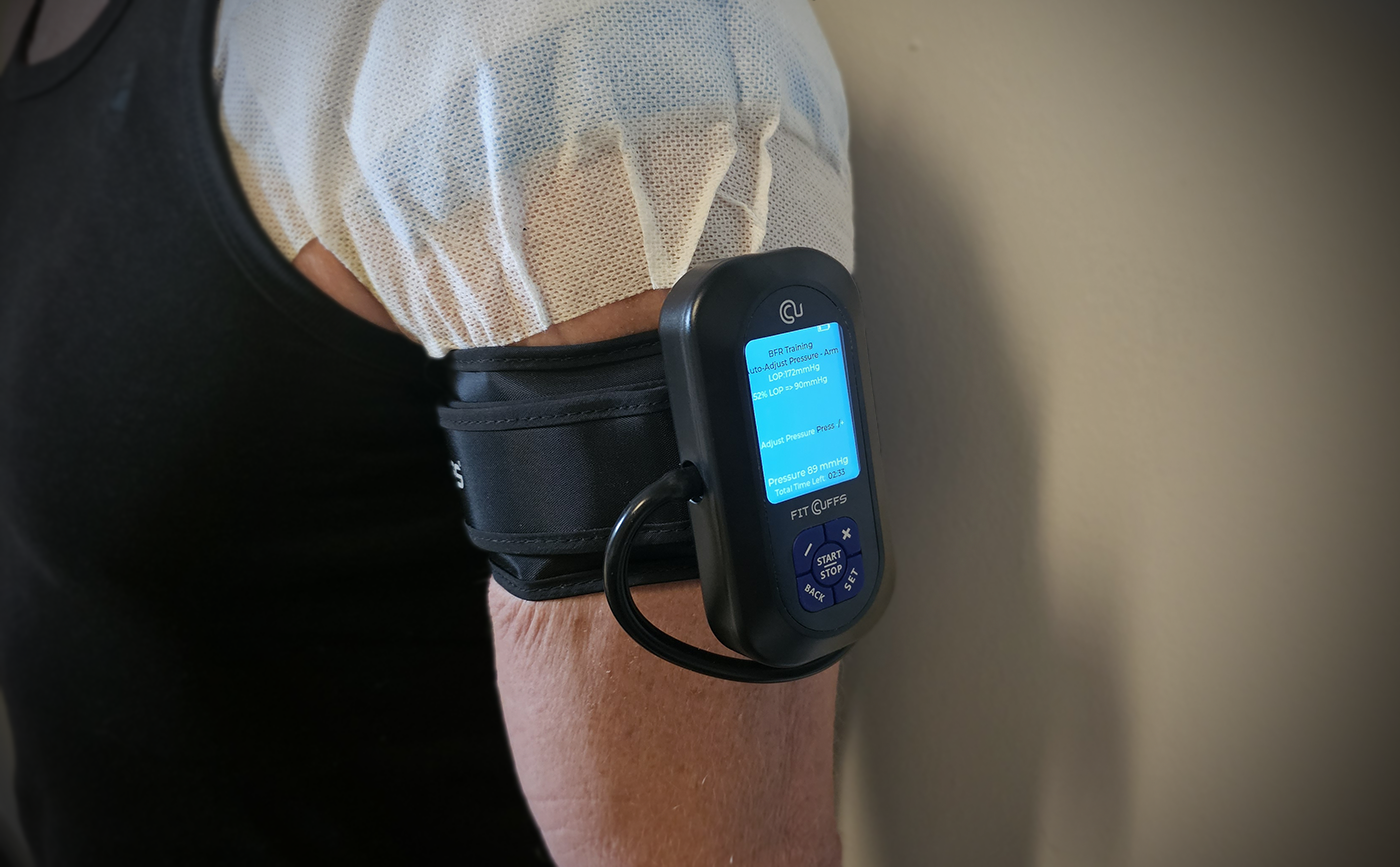
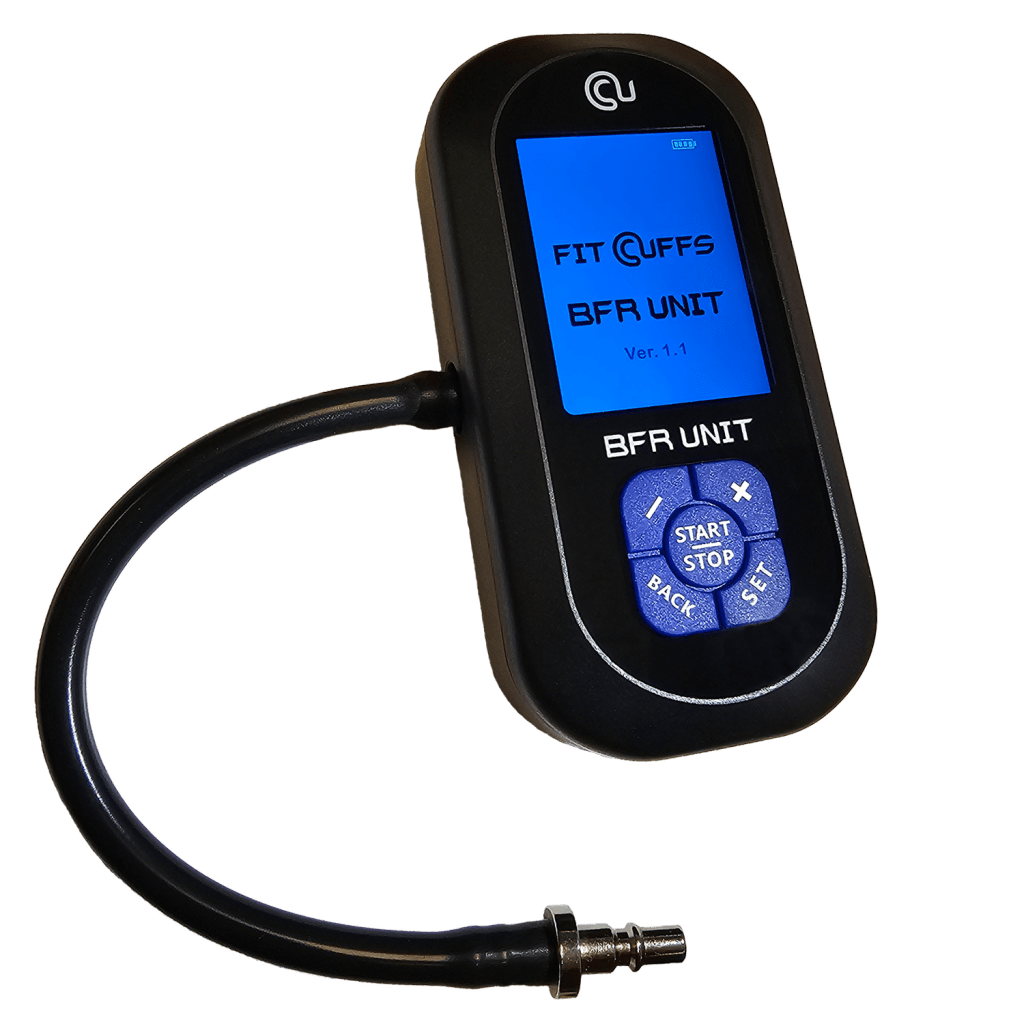
💡 This is where BFR (Blood Flow Restriction) training in the early post-surgery phases can help—minimizing muscle loss in both proximal and distal shoulder muscles while reducing strain on healing structures. Starting gently with light, unloaded exercises like bicep curls can help counter the rapid muscle loss that often happens in the first few days after surgery.
Whether BFR is actually promoting healing of both soft and hard tissues is speculative. Though, Whenever possible, beginning exercising immediately post-op is recommended. 💪
Thus, it seems there’s limited data on outcomes for this specific patient group using BFR. If you’re aware of any relevant studies or insights, please share them in the comments below! 📚💬
📚💬 Source: Beard et al. (2018) Arthroscopic subacromial decompression for subacromial shoulder pain (CSAW): a multicentre, pragmatic, parallel group, placebo-controlled, three-group, randomised surgical trial
Music: FULGOR – Hiracutch