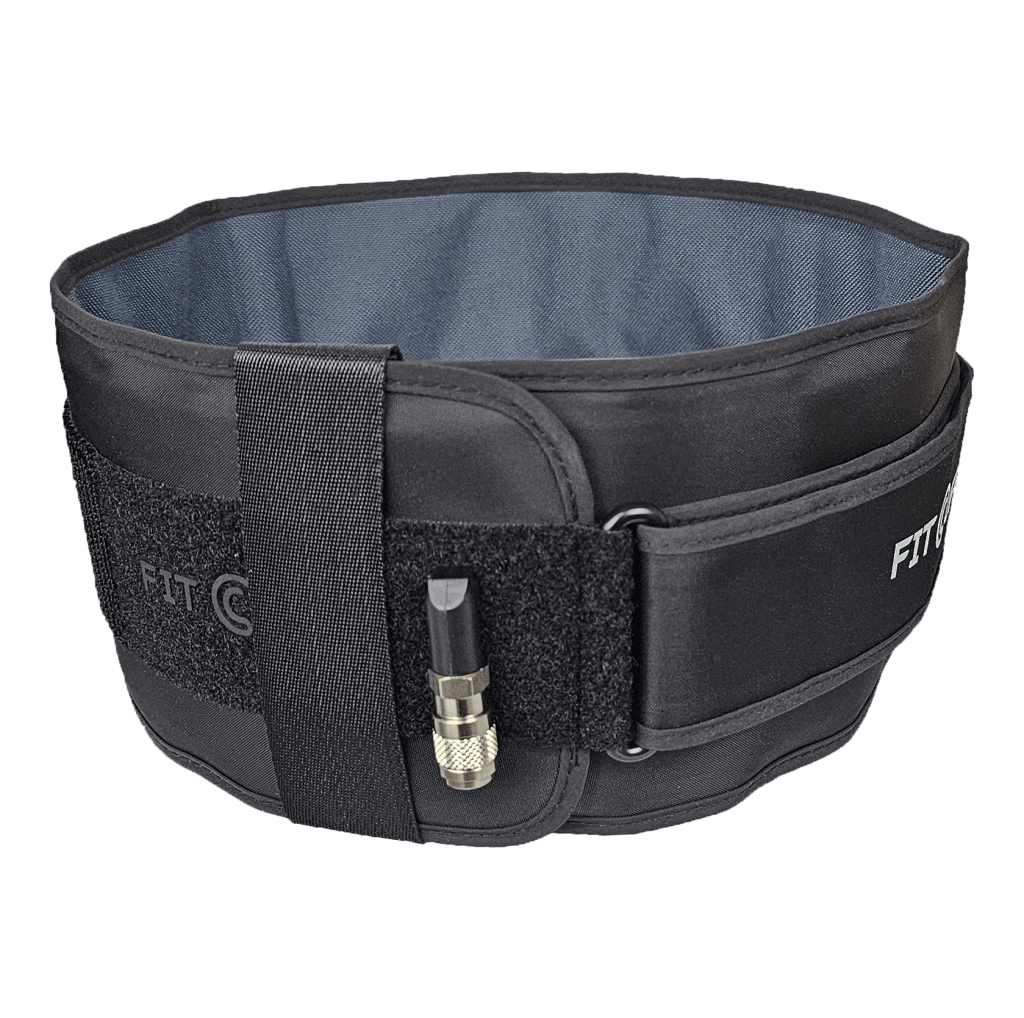



In this follow-up post we present the findings from a recent editorial concerning Blood Flow Restriction.
Introduction:
Numerous research papers have shown its effectiveness using light loads/intensities in the elderly, impaired to high performance athletes. More recent data shows promising results with novel application such as whole-body vibration techniques and neuromuscular electrical stimulation.
Safety:
Though, current guideline exits e.g., Patterson et al. 2019, more research is warranted for long term effects consistent use of BFR!?
Though, recent research has explored the safety aspect of longer term (1 month) of consistent low-load BFR resistance training on parameters of cardiovascular health. It seems that general blood pressure, mean arterial pressure and systemic vascular resistance are unaltered at rest during and after the intervention period. The authors also discovered that BFR Training were hypotensive (reduced blood pressure) during handgrip exercise, thereby suggesting a hypotensive effect
The authors also discovered that the metaboreflex following BFR – the proposed effect of low oxygen delivery to muscles and metabolites accumulation stimulating skeletal muscle afferents and thereby increased blood pressure, were not present after the training period.
Efficacy:
A recent systematic review with data from 13 original papers investigated whether exercise interventions utilizing BFR were able to improve various objective measures of physical function relevant for active daily living (ADL) in the elderly.
The authors discovered increased performance on tests like:
30 s sit-to-stand
Timed up and go
Walking speed
Balance and Stepping tests
Conclusion:
BFR appear safe and effective for muscle hypertrophy, aerobic capacity and strength comparable to conventional exercise, but the precise mechanisms and optimal protocols still require additional exploration!? But considering the current research, it seems that many modes and different protocols can be applied to positively affect health and performance across various populations.
Primary Source:
Patterson, Burr, Warmington (2021) Editorial: Blood Flow Restriction: Rehabilitation to Performance
Secondary Source:
Clarkson et al. (2019) Chronic Blood Flow Restriction Exercise Improves Objective Physical Function: A Systematic Review