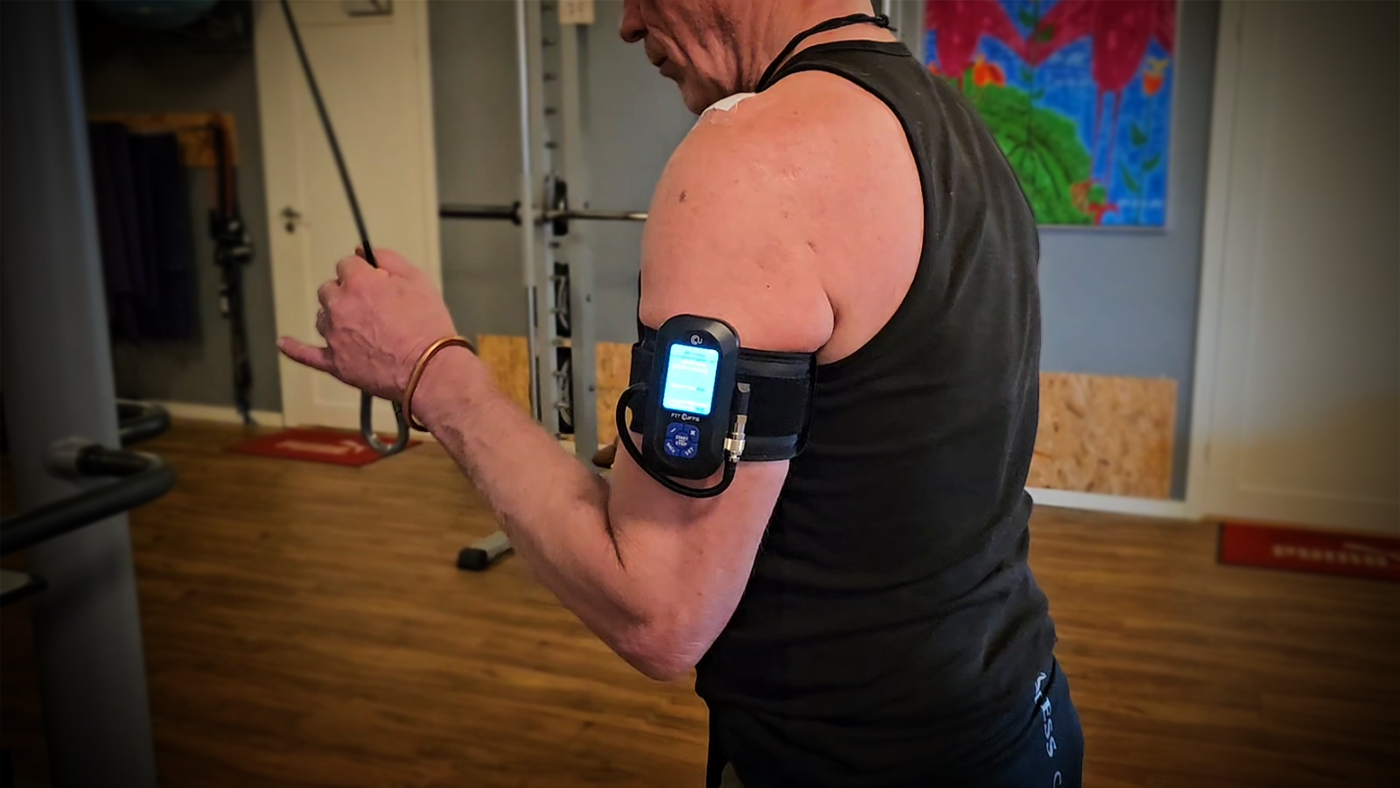

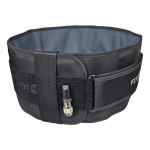
Cable Triceps Extension: A Rehabilitation-Friendly option and potentially beneficial in the early rehab phase. Building on Part 2 with the role of Blood Flow Restriction (BFR) in post-surgical shoulder rehabilitation – Potentially beneficial in early rehab post decompression surgery?
Building on our earlier discussions of bicep curls and the role of Blood Flow Restriction (BFR) in post-surgical shoulder rehabilitation, this post explores the integration of triceps extension exercises as a key component of recovery. Like bicep curls, triceps extensions offer a unique opportunity to focus on distal muscle activation while minimizing strain on the healing proximal shoulder structures—particularly the acromioclavicular (AC) joint and glenohumeral (GH) joint
Why Triceps Extensions May Matter?
The triceps brachii is a critical muscle group for upper limb function, contributing to elbow extension and supporting the arm during everyday activities like pushing and reaching. After procedures such as acromioplasty or distal clavicle excision, reconditioning the triceps helps maintain elbow mechanics: Encouraging normal movement patterns and facilitates gradual re-loading allowing progression toward full upper-limb functionality. To tailor cable triceps extensions for post-surgical shoulder rehabilitation, we focus on the following:
1. Positioning: elbows close to the body with minimal movement, limiting strain on the AC and GH joints.
2. Shoulder Alignment: Maintain a neutral shoulder position to avoid unnecessary activation of stabilizing muscles.
3. Cable Height: Set the cable relatively high to achieve a smooth resistance profile.
4. Resistance and Progress Gradually: Increase resistance incrementally based on patient feedbacks
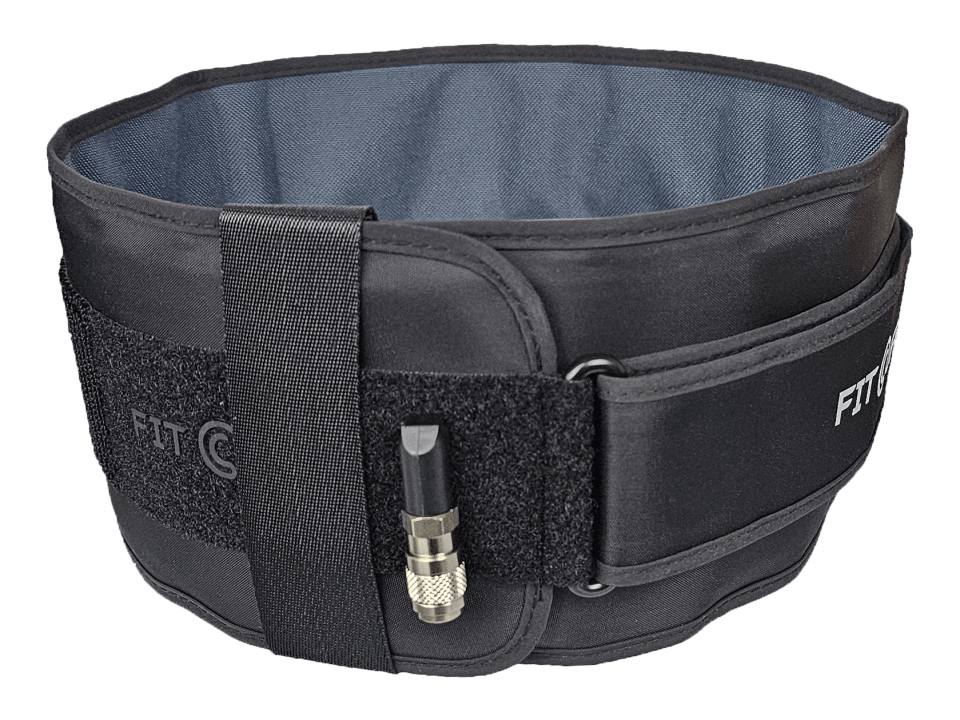
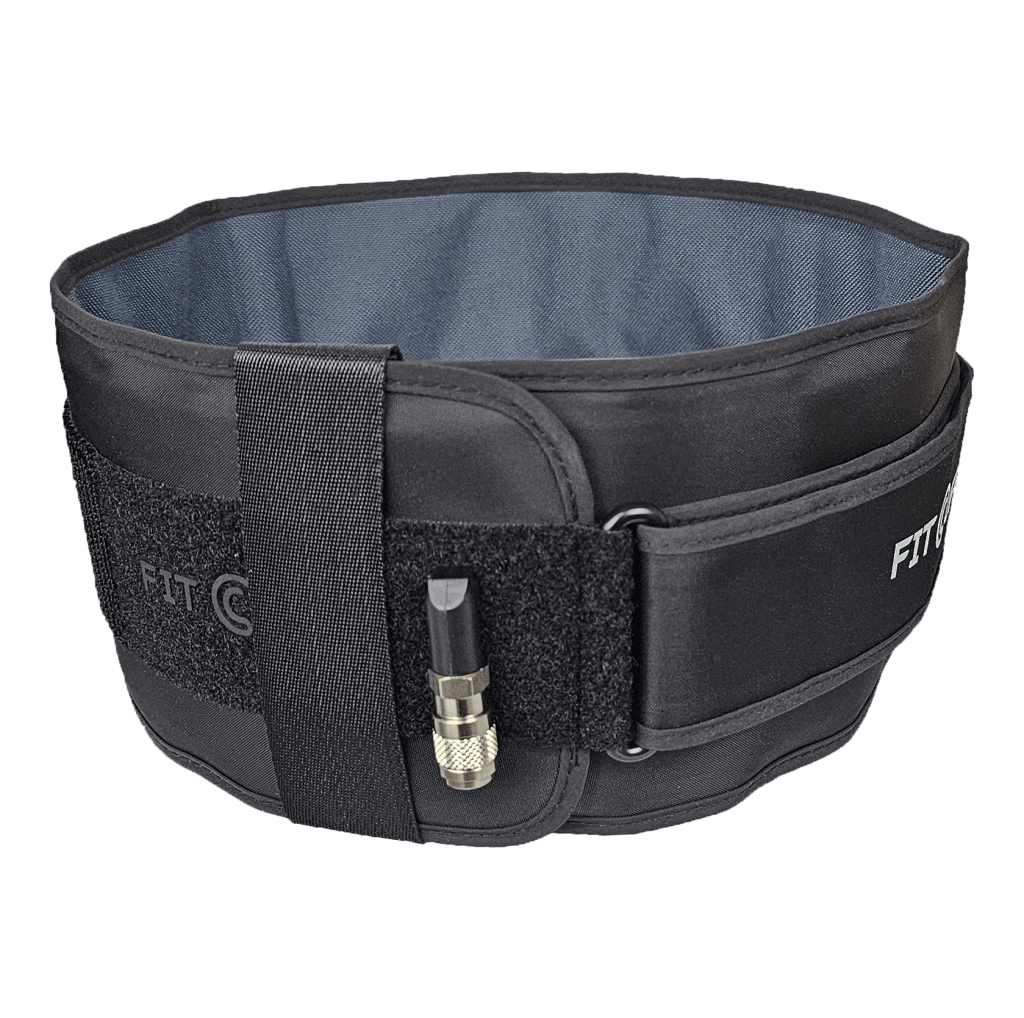
5. Incorporating BFR to minimize joint strain: Mitigate misuse atrophy using low-load.
Implementation Protocol Early Post-Surgery (Weeks 1 -4) Minimal resistance -20% 1RM, then progress Relative and Absolut load. Reps: 15x15x15x15 → 30x15x15x15 → 30x15x15xfailure if tolerable.
BFR: Low-pressure (40→60% LOP).
Potential Benefits:
Ensures focus on distal musculature without compromising proximal healing.
Low-Risk Loading: Controlled cable resistance reduces proximal strain while promoting muscle engagement.
Customizable Progression: Easily adjusted for each patient’s recovery timeline and strength level.
While BFR appears promising, a few questions remains:
- Does targeting the distal musculature significantly accelerate proximal joint recovery?
- Are there any measurable benefits in long-term functional outcomes vs traditional rehab approaches?
- When to load the proximal AC and GH joints relative to the procedure? What contraindications may be relevant to consider?
What’s Next? We’re excited to hear your experiences! Have you used cable-based triceps extensions or other distal-focused exercises in post-surgical rehab programs? Share your thoughts, protocols, and insights in the comments below. Let’s continue to build a robust, evidence-based approach to shoulder rehabilitation!
Relevant sources concerning BFR Pressures (1) and Safety (2):
1. Roehl et al. (2023) Optimal Blood Flow Restriction Occlusion Pressure for Shoulder Muscle Recruitment With Upper Extremity Exercise.
https://pubmed.ncbi.nlm.nih.gov/37092707
2. Andersen et al. (2022) Overall Safety and Risks Associated with Blood Flow Restriction Therapy: A Literature Review
https://academic.oup.com/milmed/article/187/9-10/1059/6548011