

© copyright @thehpm https://www.instagram.com/thehpm/
What Is Auto Pressure Adjustment (AUTO) in BFR?
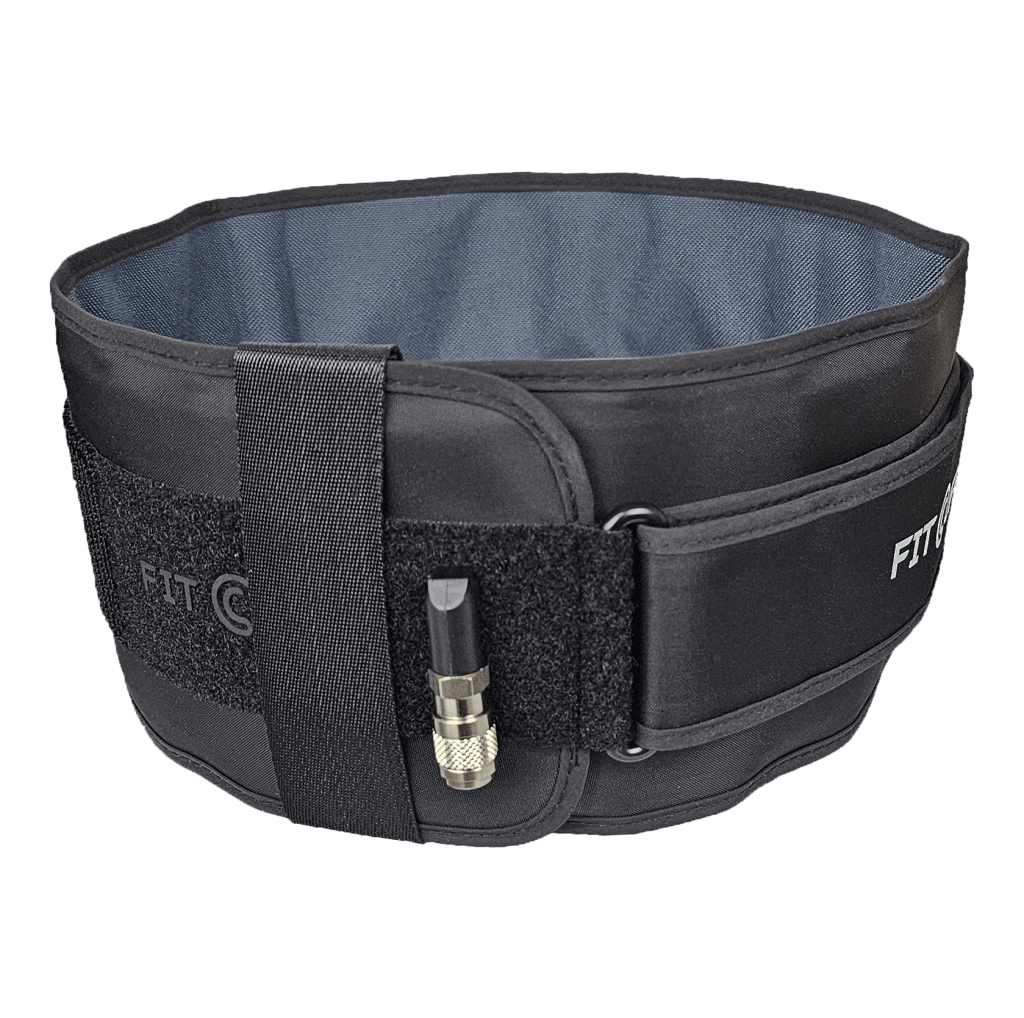
Modern BFR systems often include Auto technology, which automatically adjusts cuff pressure during muscle contractions.
The theory:
During exercise, muscle contractions can cause pressure fluctuations inside the cuff. Auto systems attempt to maintain a consistent percentage of LOP by dynamically adjusting pressure.
- Improve comfort
- Enhance safety
- Optimize the training stimulus
- Reduce pressure drift
Advocates claim Auto may:
However, until now, most studies have only examined acute effects — not long-term training adaptations.
The Research Gap
A recent meta-analysis (Clarkson et al., 2024) found no meaningful differences between “Auto” and non-auto BFR cuffs in strength or hypertrophy outcomes.
But there was a problem:
- No studies compared both conditions within the same participants
- Many studies failed to report detailed cuff characteristics
- Device accuracy and reliability were often not documented
This made it difficult to isolate whether auto truly influences long-term results.
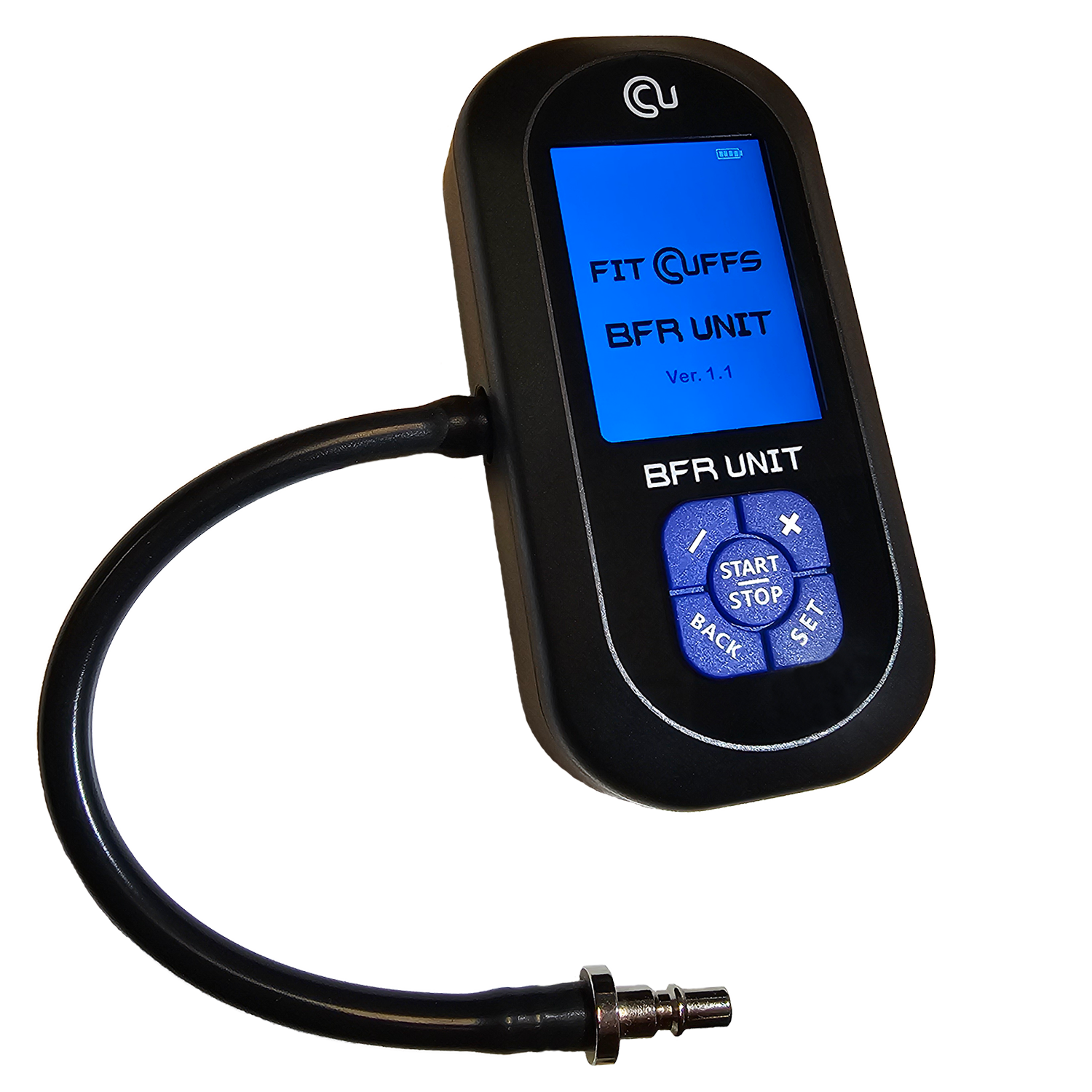
The New Study: Auto vs Fixed-Pressure BFR
This 8-week study compared:
- Auto BFR (AUTO)
- Fixed-pressure BFR (NONAUTO)
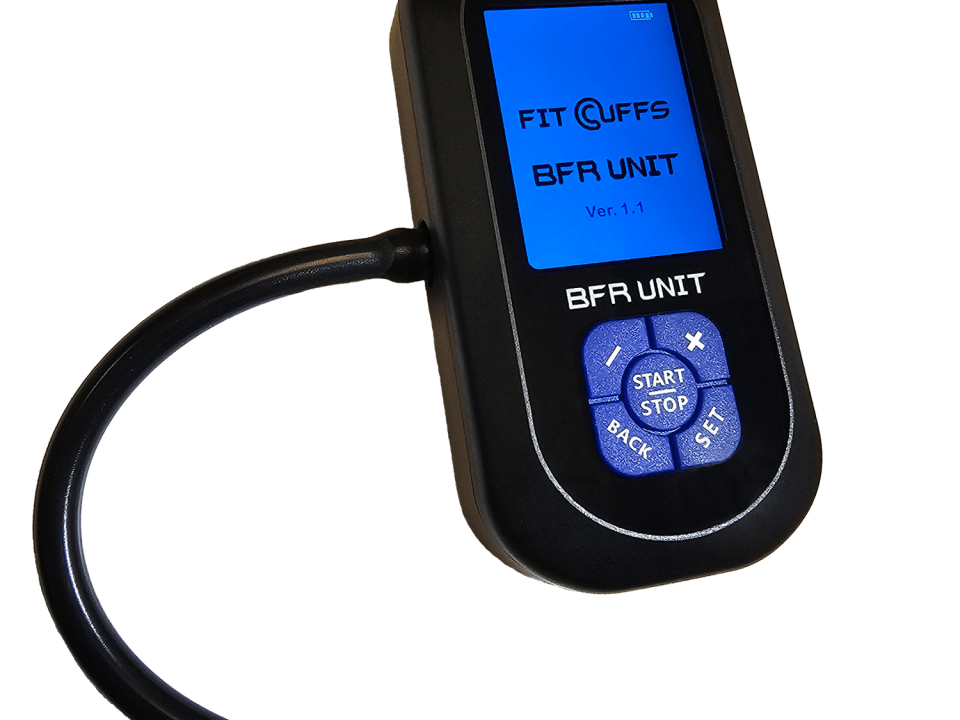
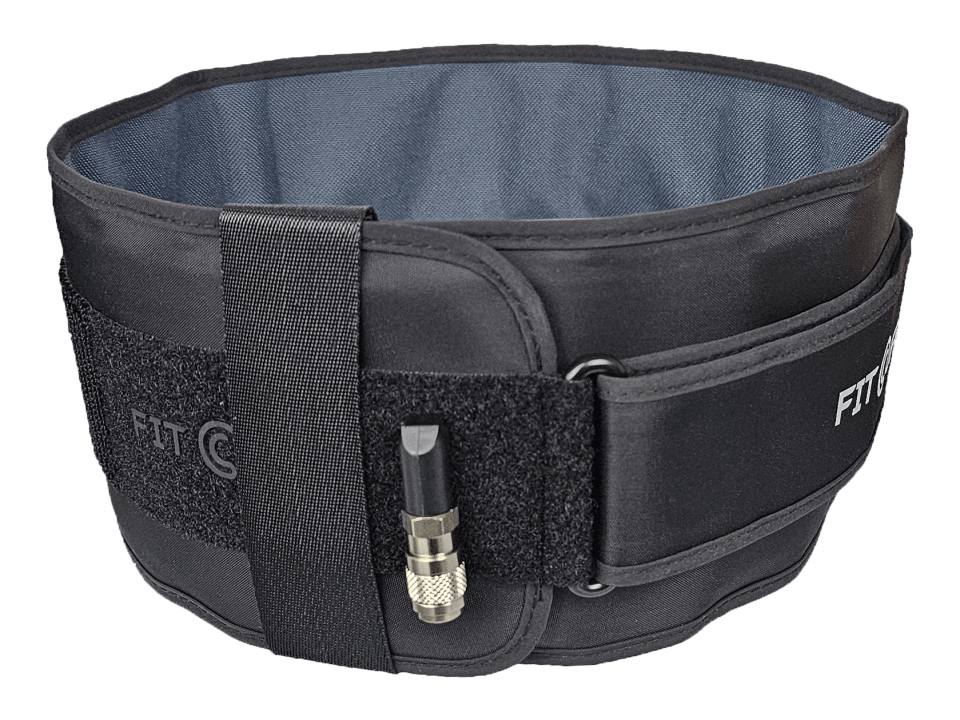
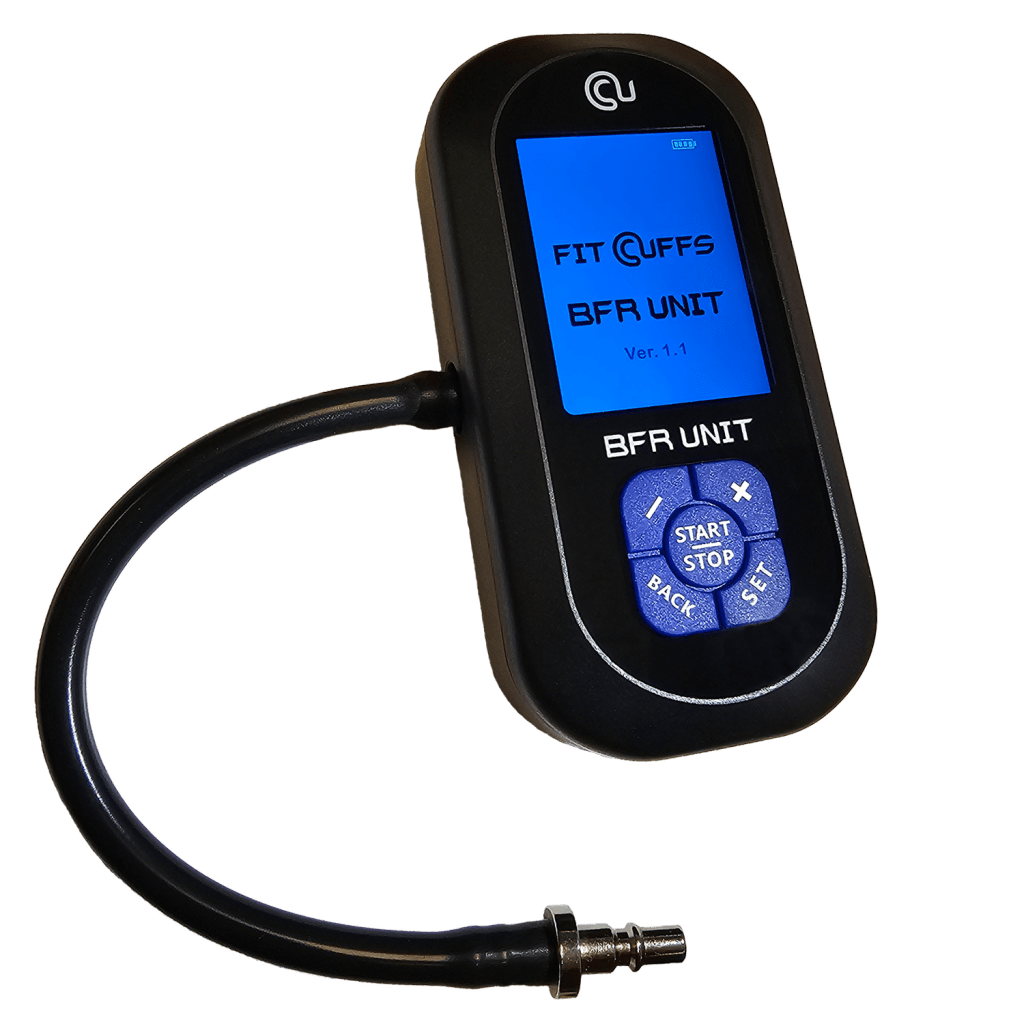
using the Fit Cuffs BFR Unit (Leg Cuffs Version 4.0).
Study Design Highlights
- 21 resistance-trained males (≥3 years experience)
- Within-subject design (each leg assigned a different condition)
- 8 weeks of lower-body training
- 60% LOP
- Progressive overload model
- Exercises:
- Single-leg squat
- Knee extension
Measurements included:
- Muscle thickness (ultrasound)
- Cross-sectional area (CSA)
- 1RM strength
- Ratings of perceived exertion (RPE)
- Ratings of perceived discomfort (RPD)
Key Results: Does Auto Pressures Improve Outcomes?
1️⃣ Muscle Hypertrophy
Both conditions significantly increased muscle size.
Rectus femoris muscle thickness increases:
- AUTO: +14–25%
- NONAUTO: +14–24%
Vastus lateralis muscle thickness increases:
- AUTO: +22–31%
- NONAUTO: +26–28%
No statistically significant differences between conditions
2️⃣ Muscle Strength
Single-leg squat 1RM:
- AUTO: +40.6%
- NONAUTO: +43.9%
Knee extension 1RM:
- AUTO: +26.9%
- NONAUTO: +26.3%
Again, no meaningful difference between Auto and fixed-pressure BFR
3️⃣ Perceptual Responses (Comfort & Effort)
- RPE and discomfort decreased over time in both groups
- No significant difference between AUTO and NONAUTO
- Participants increasingly preferred the fixed-pressure condition
Interestingly:
- By week 4, all participants correctly identified which leg used auto
- By week 8, 81% preferred the non-auto condition
What Do These Findings Mean?
This is the first longitudinal, within-subject BFR study comparing auto directly.
The main takeaway:
When BFR pressure is prescribed relative to limb occlusion pressure (LOP) and training variables are standardized, Auto does NOT appear to enhance hypertrophy, strength, or comfort.
In other words:
- The primary driver of adaptation was the training program itself
- Not the pressure-regulation strategy
Why Might Auto Adjusment Not Matter?
Several factors likely reduced its impact:
- Pressure was individualized at 60% LOP in both conditions
- Controlled tempo (3 seconds per rep)
- Non-failure training model
- Resistance-trained participants (lower variability in response)
Under tightly controlled conditions, dynamic pressure adjustments may not meaningfully alter the stimulus.
Practical Takeaways for Coaches & Clinicians
If you prescribe BFR training correctly:
- Use individualized LOP
- Apply progressive overload
- Follow structured programming
Then:
✅ You likely do not need auto adjusted cuffs to maximize results in healthy, trained individuals.
Device selection may instead prioritize:
- Cost
- Ease of use
- Accessibility
- Simplicity
Limitations & Future Research
Important considerations:
- Fit Cuffs’ Auto adjustment responsiveness has not been independently validated
- Results may not apply to:
- Clinical populations
- Elderly individuals
- Beginners
- High-risk cardiovascular groups
- Vastus lateralis CSA was not measured
- Device-to-device variability may still matter
Future studies should compare:
- Different Auto Adjustment algorithms
- Clinical populations
- Varying repetition cadences
- Validated systems like the Delfi Personalized Tourniquet System
Final Conclusion
Auto BFR cuffs are often marketed as superior for muscle growth and safety.
This 8-week study suggests:
- Muscle hypertrophy: No difference
- Strength gains: No difference
- Perceived exertion/discomfort: No difference
- Safety: No adverse events in either condition
When pressure is prescribed relative to LOP and training is well designed, pressure regulation mode alone is unlikely to be a primary determinant of adaptation in trained individuals.
For most practitioners, proper programming may matter more than Automatic pressure technology.
FAQ: Auto vs Fixed-Pressure BFR
Is Auto BFR better for muscle growth?
Current evidence suggests no meaningful advantage in trained individuals when LOP-based pressure prescription is used.
Is fixed-pressure BFR safe?
Yes, when prescribed relative to LOP and used according to guidelines.
Who might benefit from Auto Adjusted Pressures?
Possibly clinical populations or individuals sensitive to pressure variability — but more research is needed.
Links
Buy the BFR Unit V1.1 | Complete
Buy the BFR Unit V1.1 & Optional Power Bank
Consider following us on Instagram: @fitcuffs