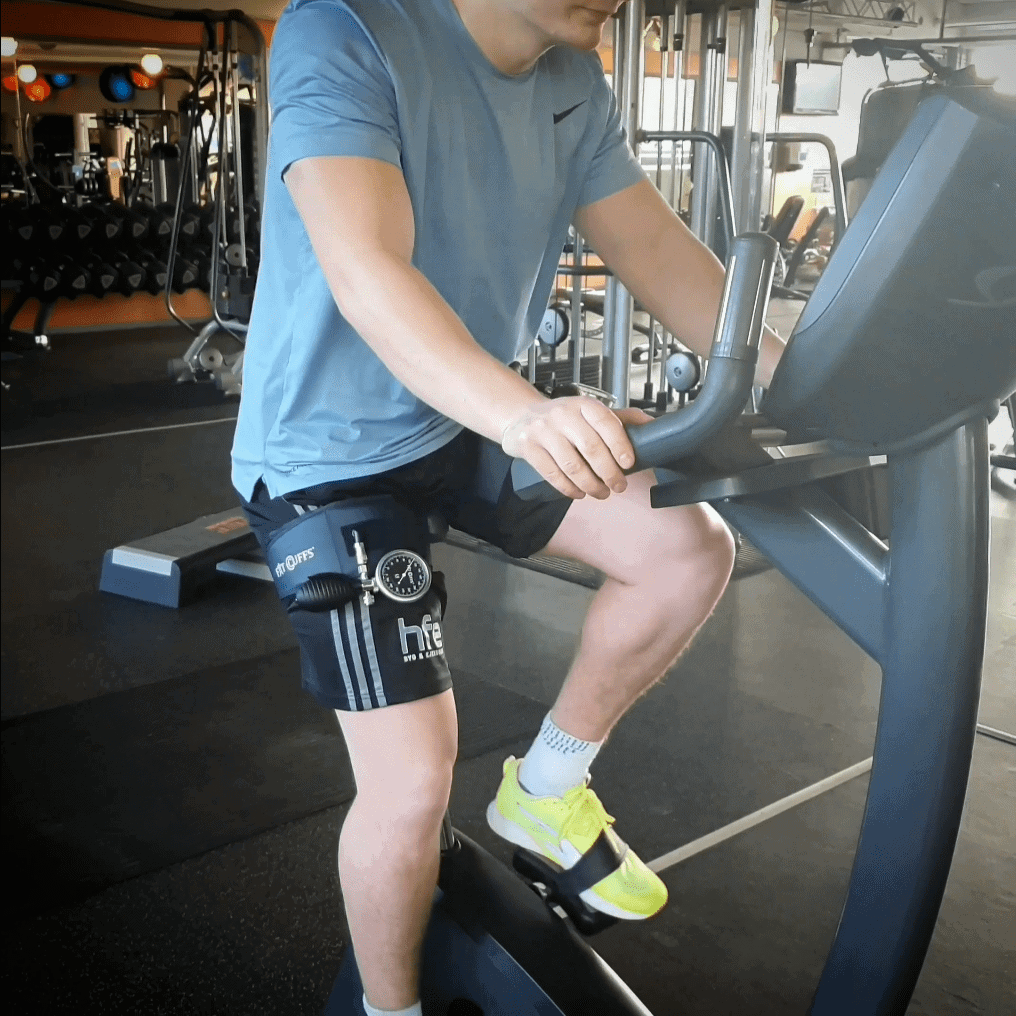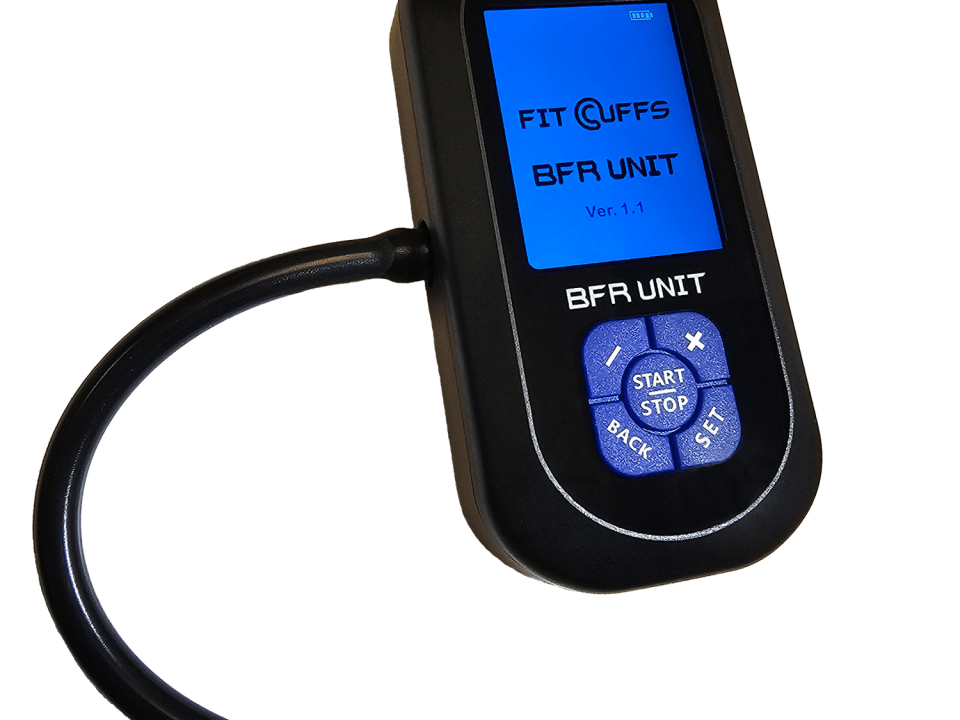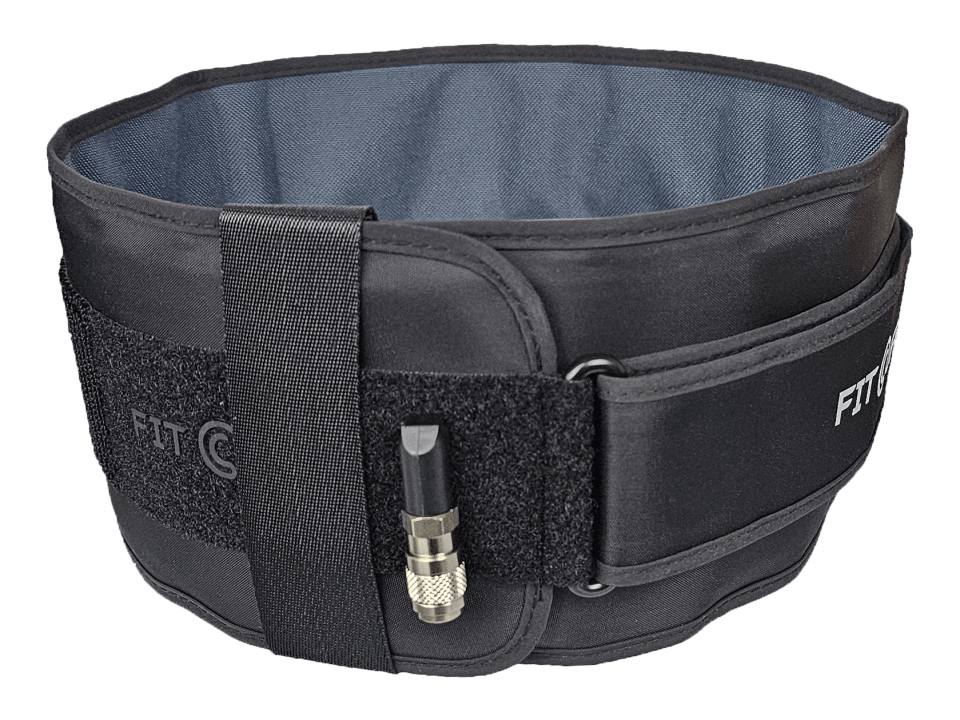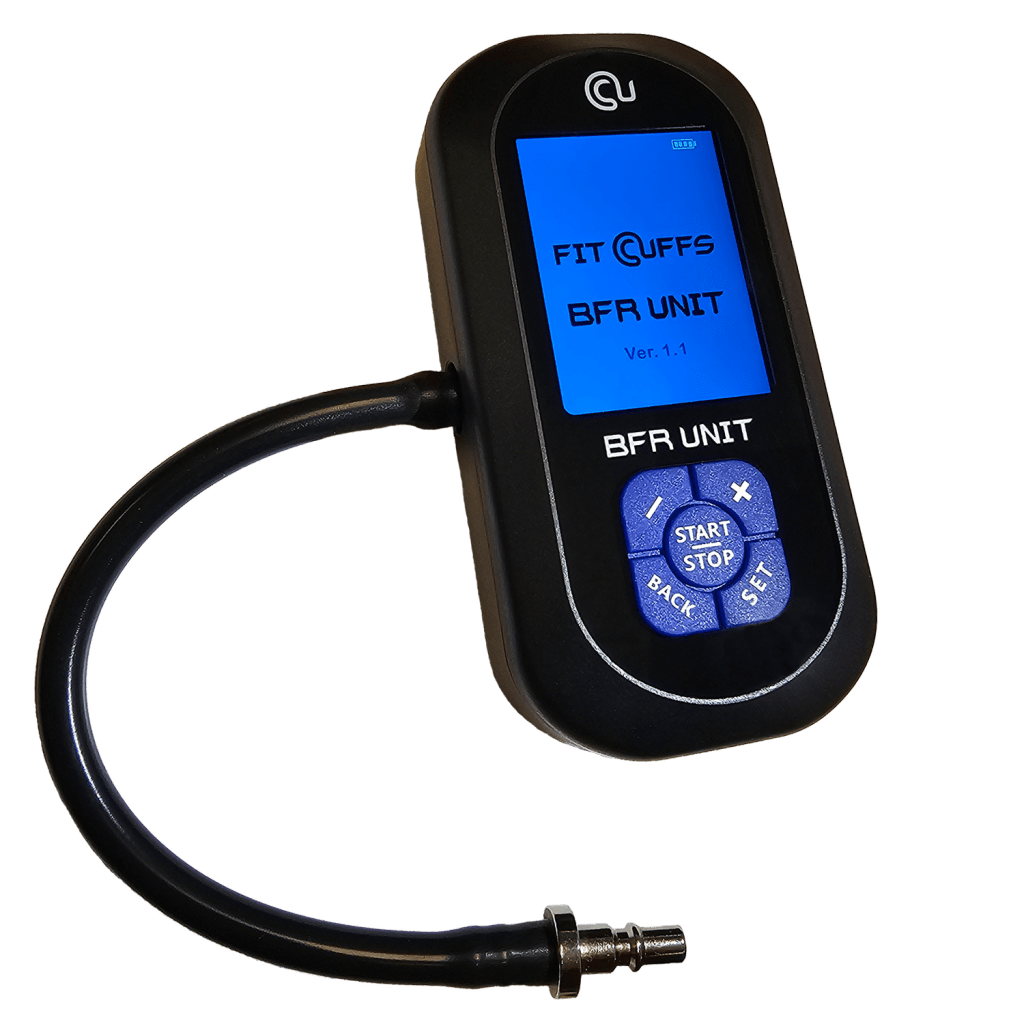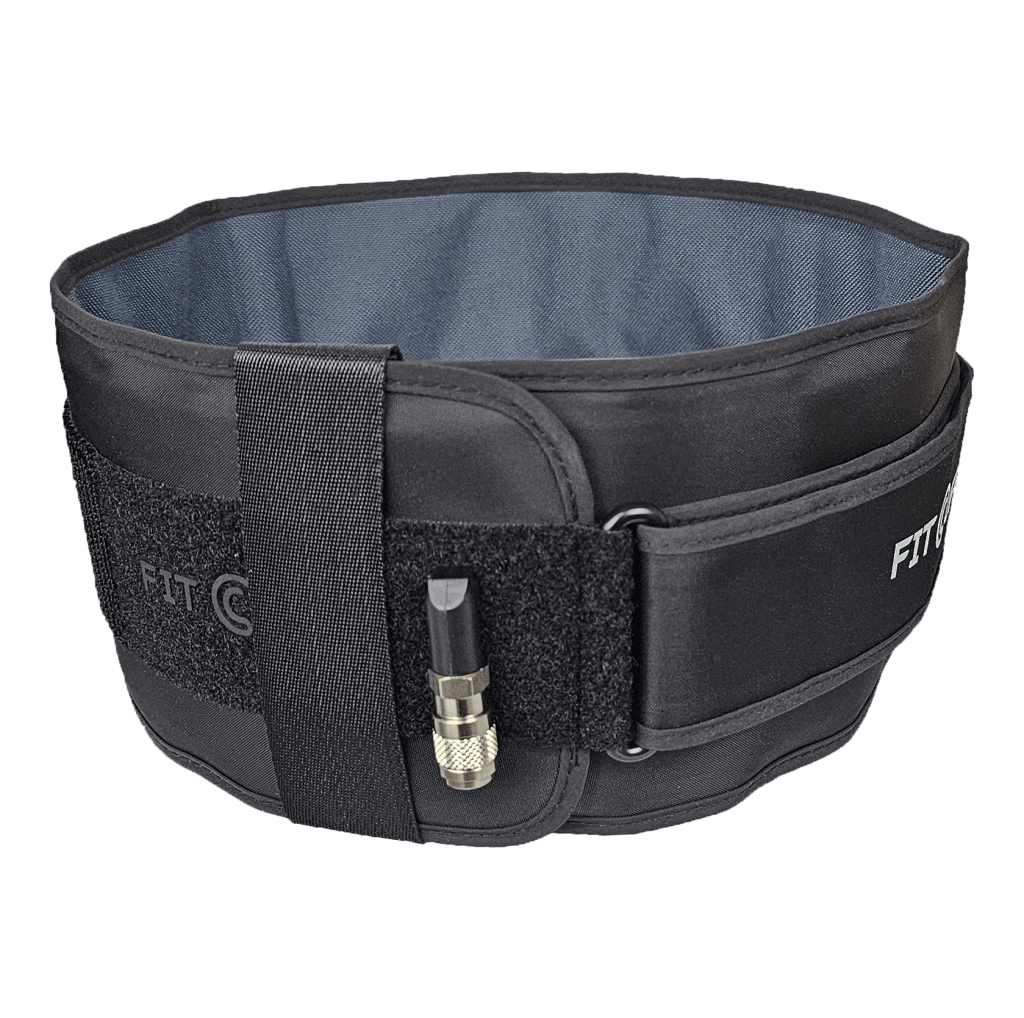


A Pair of Leg Cuffs V3 & the New Pressure Gauge “Wireless” is a great match for BFR-cycling especially the endurance-trained athlete as described by Ferguson et al. (2021)
As described in a previous post the new optional direct attachment has some obvious advantages which are displayed in the video.
In the text below you will find some of the relevant considerations of Blood Flow Restriction (BFR) for the endurance-trained athlete. The focal strategies are deprived from the recently published paper by Ferguson et al. (2021).
Key Concepts:
BFR can possibly amplify the adaptive response to training and improve endurance performance in highly-trained individuals, by stimulus for angiogenesis (capillary supply) and mitochondrial biogenesis (more power inside the cell).
Future studies must clarify how BFR is best incorporated for highly-trained endurance athletes as a part of a structured programme!?
Introduction
The main objective for endurance athletes is to optimize the underlying physiological determinants of performance. BFR is one of many strategies to amplify the exercise-induced stressors and subsequent molecular signaling responses to enhance performance.
Many factors must be considered when programming in highly-trained individuals, defined as VO2-max > 65 ml/min/kg.
It is well known that the repeated bout effect is progressively attenuated as training is continued after a few months. It also seems that isolated increase in training volume is deficient to improve endurance performance, being particularly important to avoid “overtraining” or injury.
Key factors for improved endurance performance in the well-trained individual – how to educed plasticity of trained skeletal muscle.
Metabolic stress i.e., hypoxia – oxidative stress, skeletal muscle oxygenation, reactive oxygen species and the shear stress of reperfusion (blood returning to the working muscles) capillary growth, mitochondrial biogenesis
BFR exercise presents an intensified training stimulus, due to distorted level of blood perfusion and oxygenation that gives rise to shear, hypoxic, metabolic, and oxidative stress signals beyond that of conventional training.
By use of BFR multiple variables can be manipulated, which has a significant impact on the level of physiological responses to exercise:
Continuous vs intermittent restriction and the timing of cuff application in relation to exercise.
As a rule of thumb, low-moderate intensity – continues pressure and very high intensity interval training – deflated prior to sprint.
It seems that absolute cuff pressures (mmHg) have a particularly significant impact on capillary growth and mitochondrial biogenesis.
Conclusion
BFR has the potential to induce enhanced physiological adaptations, including increases in capillary supply and mitochondrial function, which can contribute to improving endurance-exercise performance in highly trained individuals.
To be explored in future research:
Due to the variability in BFR research, no consensus of the optimal BFR program can be established as well as how to optimize BFR applications in a structured training programme needs further exploration!?
Source:
Ferguson et al. (2021) Blood-Flow-Restricted Exercise- Strategies for Enhancing Muscle Adaptation and Performance in the Endurance-Trained Athlete.