

This post is about arthritis in the hand and fingers and the use of BFR to improve grip strength.
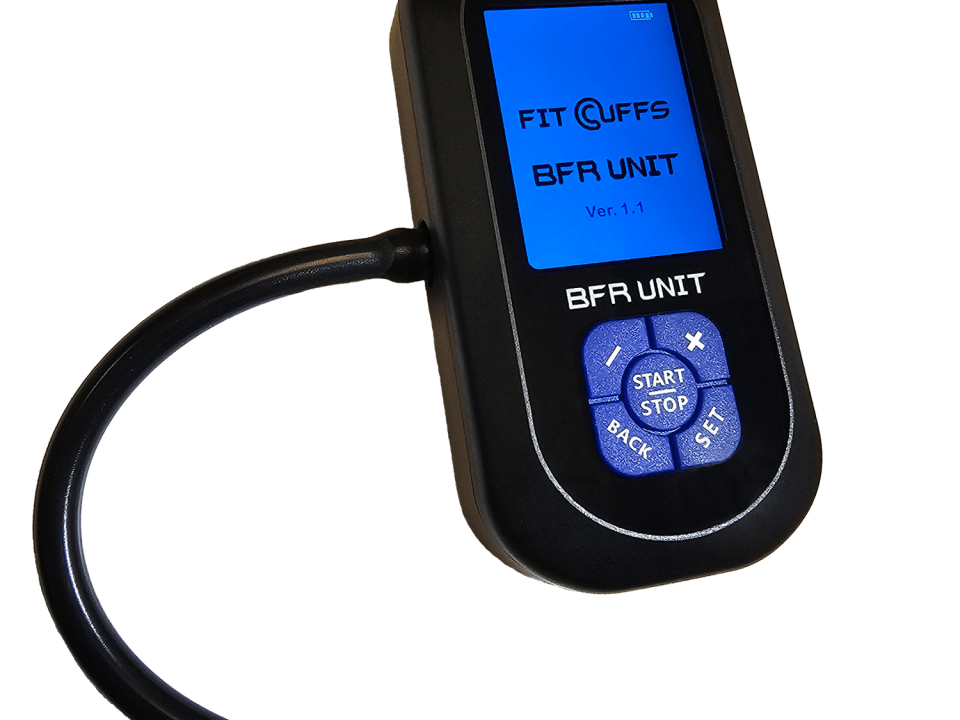
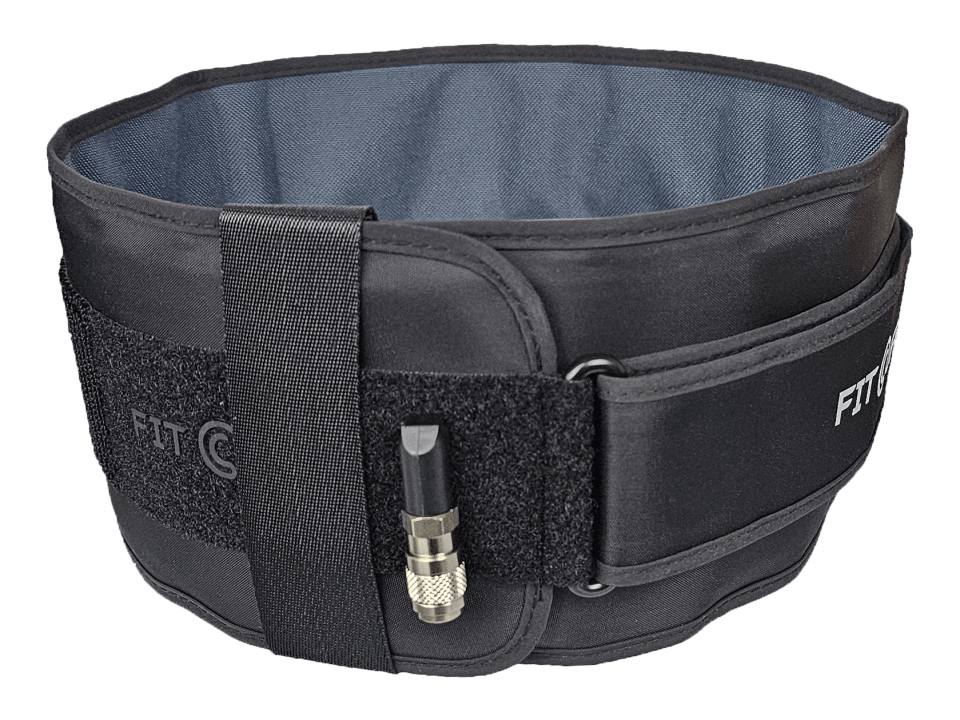
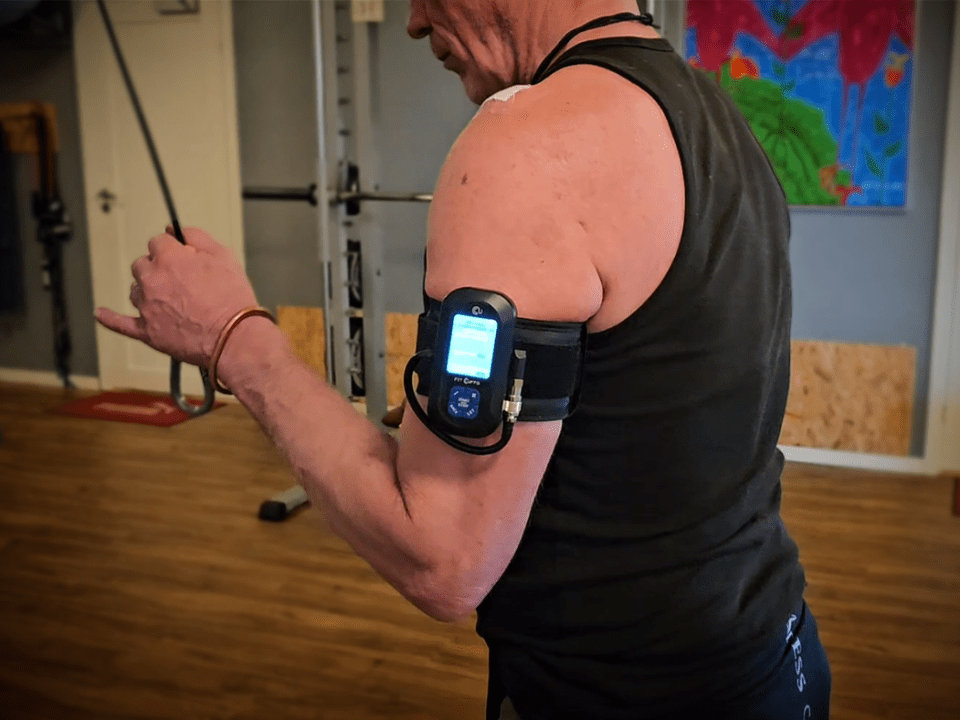
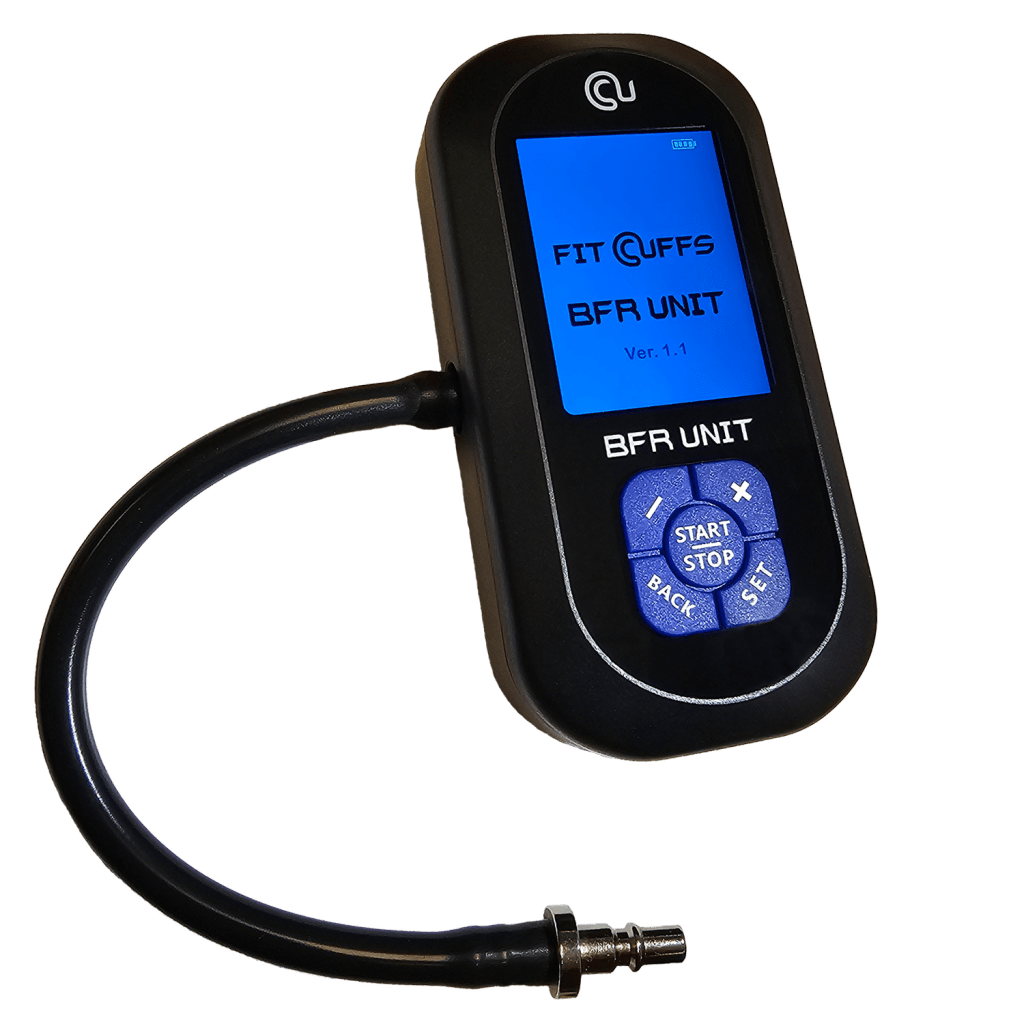
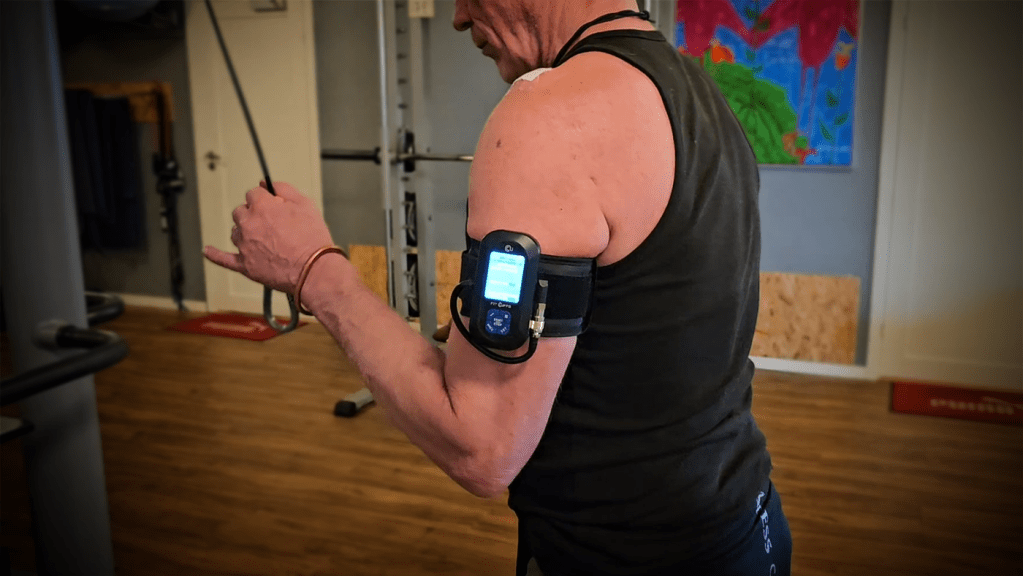
In the video an Arm Cuff and Fit Manometer is used in a practical setup to monitor the contractions ≈ 50% MVC.
The joints in the hands are some of the most delicate and just the slightest hand arthritis (HA) complicates various parts of daily living.
1 in about 10 adults suffers from visible or invisible symptoms of HA as either spontaneous or chronic with varying symptoms such as pain, swelling, stiffness and in severe cases deformity and grinding in the joints. Subsequently to chronic HA is the loss of grip strength which aggravates symptoms even further.
The primary grip muscles are extrinsic, i.e. muscles localized to the forearms, as the intrinsic muscles localized to the palm and fingers are primarily focused on more subtle occupations. That is why indirect training of the extrinsic muscles can improve grip strength, i.e. palmar flexion of the wrist.
That is why people that suffers from chronic types of HA often are recommended to strengthen their grip and the rational for doing low-load BFR seems apparent. Especially relevant in situations where conventional grip training are exacerbating symptoms. The use of BFR to improve grip strength has actually been explored in at least two RCT’s:
Two groups (BFR vs. No-BFR) exercised 3d/week for 4 weeks as bilateral handgrip training in 20 min with an intensity of 60% of Maximum Voluntary Contraction (MVC) 15 reps/min. (1)
The BFR-group experienced superior strength gains compared to No-BFR (16.17% vs. 8.32%). But please consider that both groups exercised at the same moderate load (60 % MVC), and these findings could not be replicated in a later study using only 30-40% MVC. (2)
Conclusion: While applying BFR to improve grip strength, consider using more than 40% MVC.
Source:
(1) Credeur et al. (2010) Effects of handgrip training with venous restriction on brachial artery vasodilation.
(2) Velic & Hornswill (2014) KAATSU Training and Handgrip Strength.