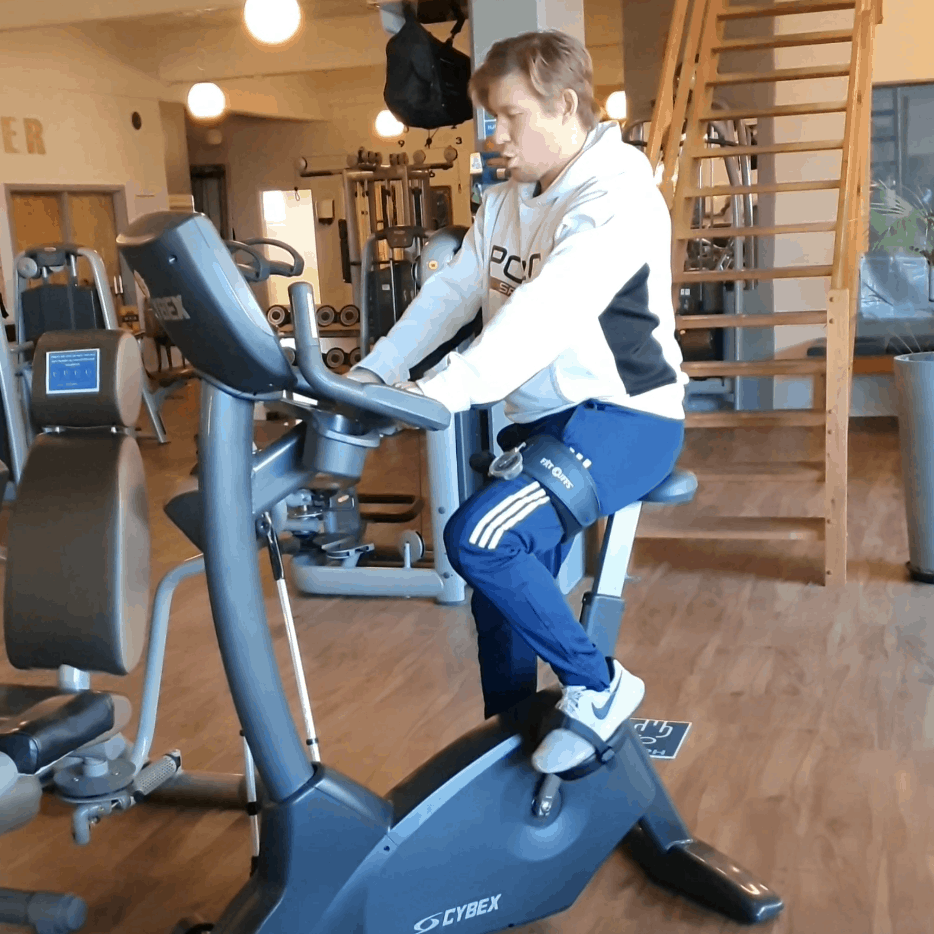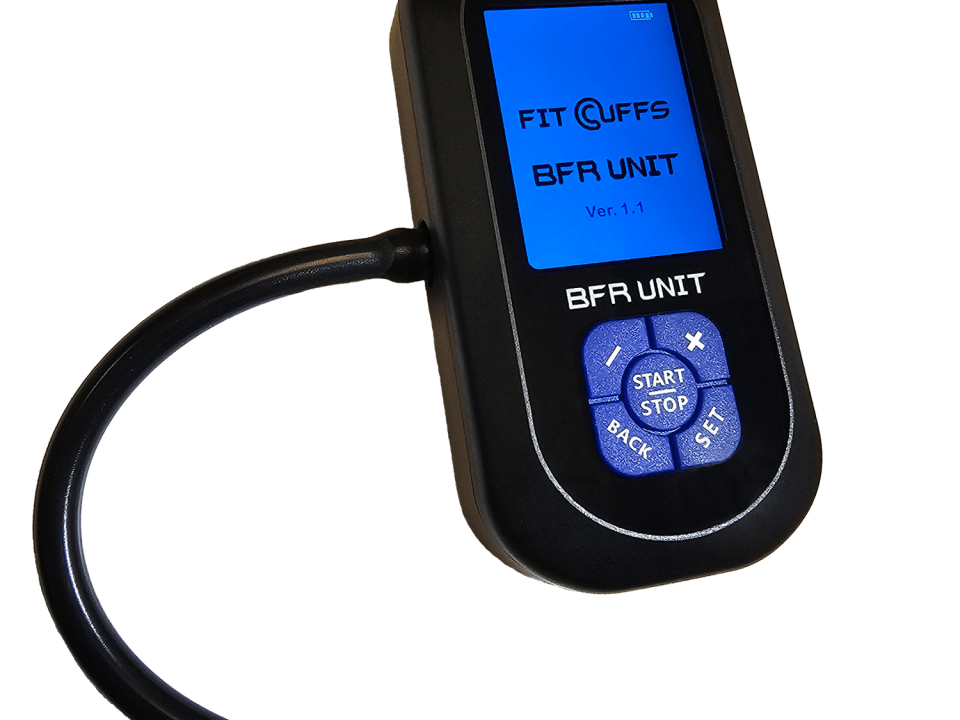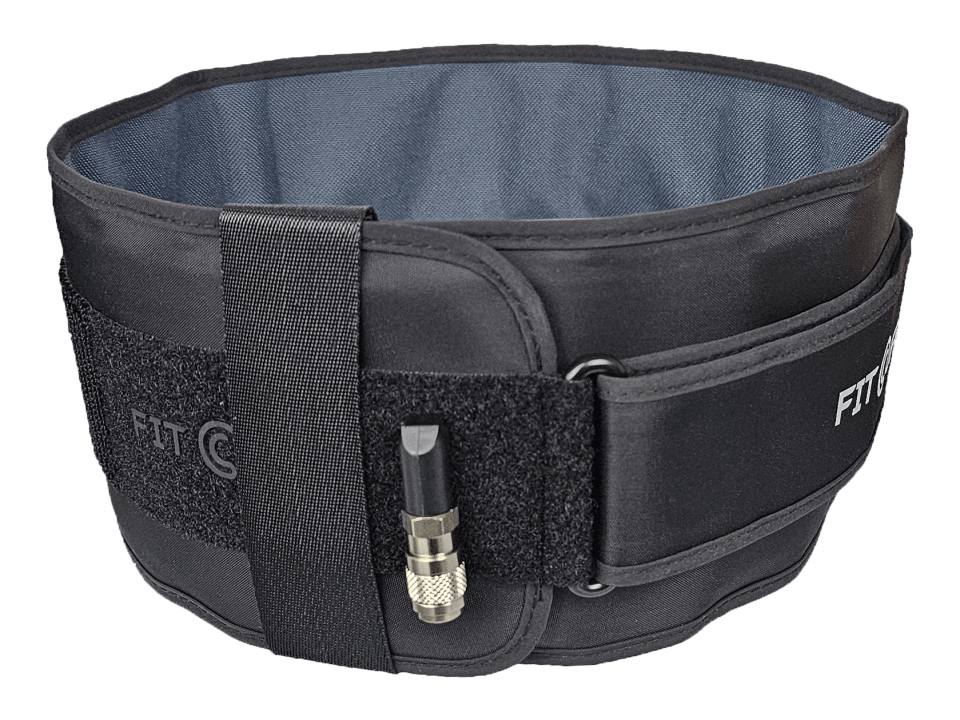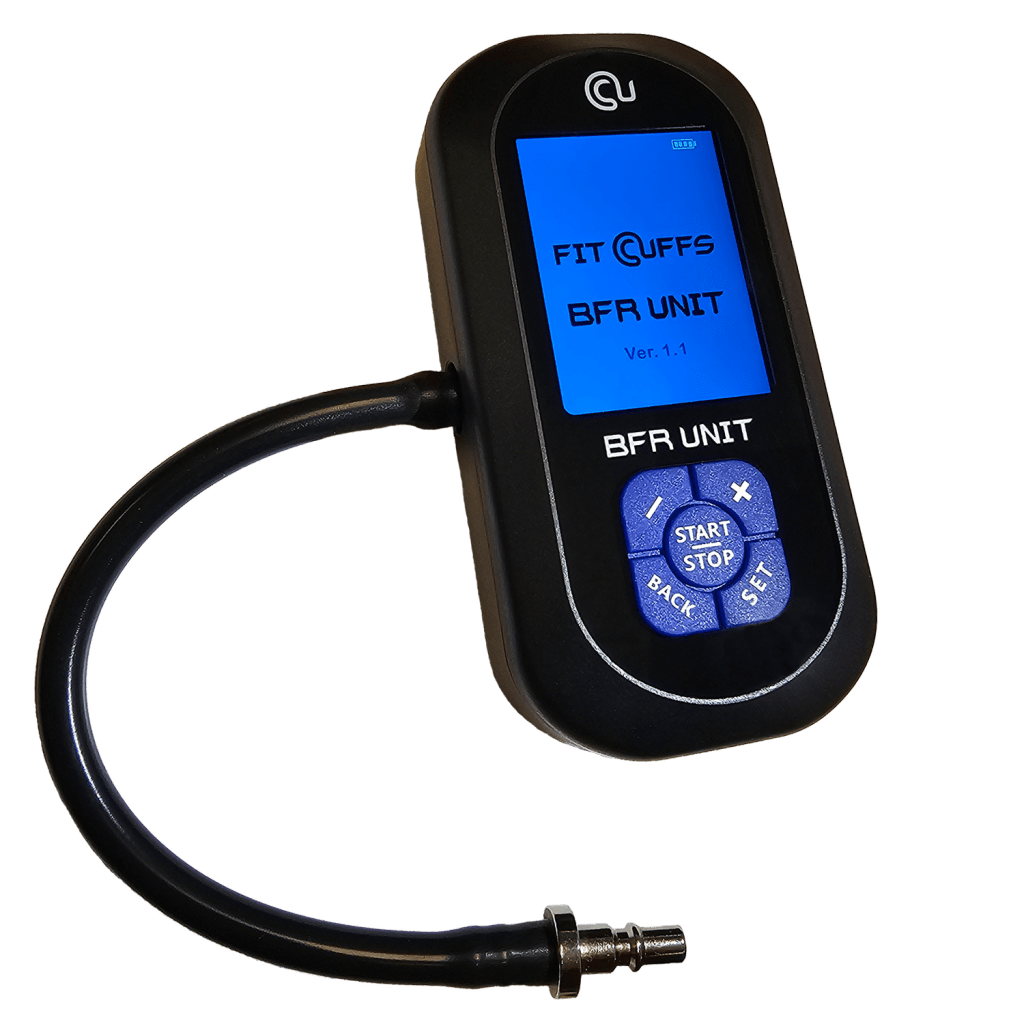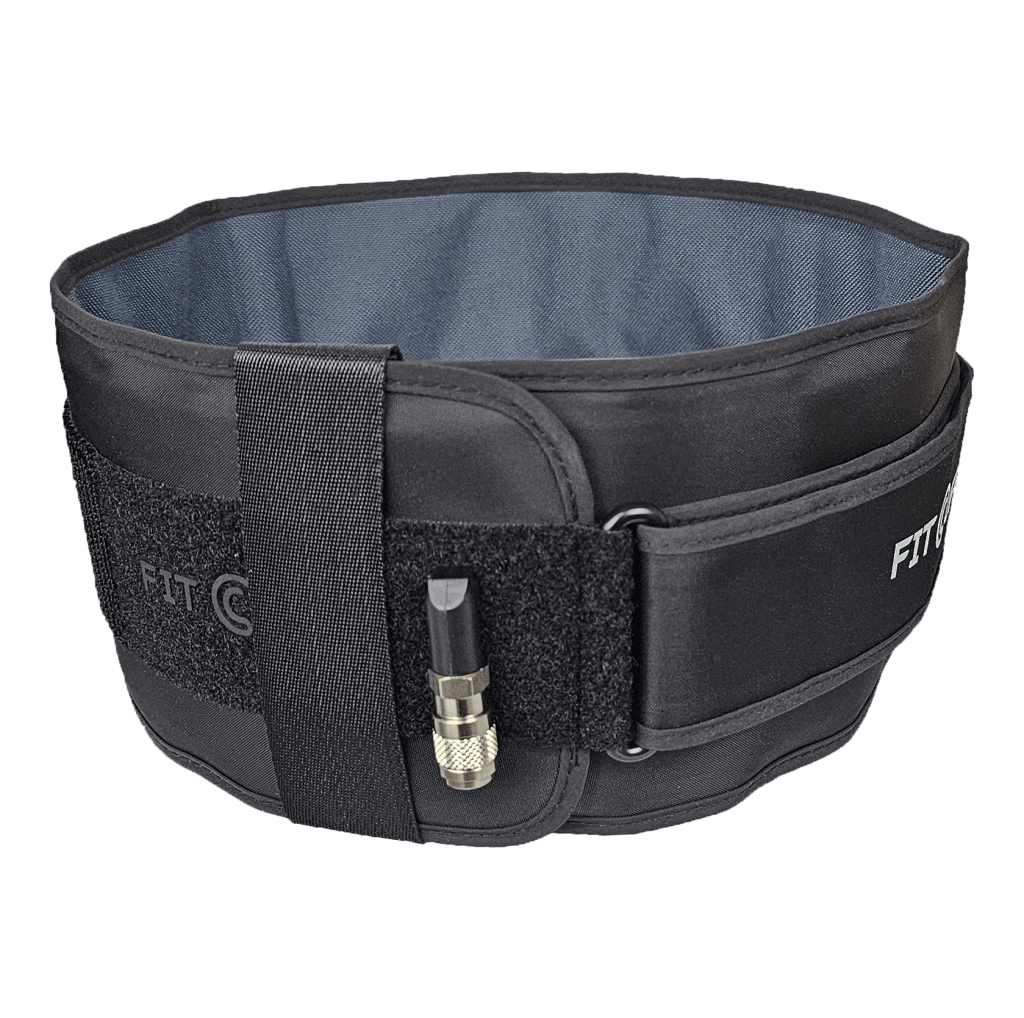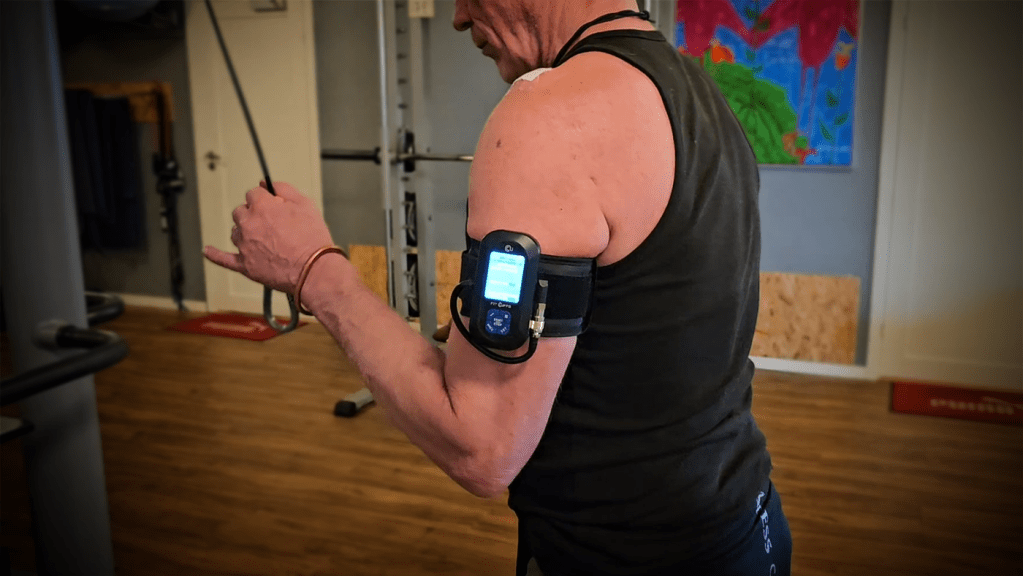


This is the 2. blog-post on BFR-rehab to attenuate muscle loss in a combined meniscus and ACL-Reconstruction (ACLR). Currently, 5 weeks post op. cycling and end range loaded knee extension.
As resting pain and swelling has continually subsided, this is less of a concern in this particular case. Like the recent post, the primary focus is to attain full i.e., symmetrical knee extension, currently missing about 3 degrees compared to the contralateral knee. Please consider that blood flow restriction (BFR) is only a small part of the exercise scheme, but nevertheless a clinically relevant add-on.
In the first half of the video BFR-cycling is in display, because this is a relevant avenue to attenuate strength and muscle loss, while improving cardio vascular fitness as a subsidiary concern at this early phase.
Though, as mentioned in the latest post, the client just recently progressed his knee flexion to the extent of pedaling not being an aggravator and thereby becoming an important part of his rehab scheme.
Very low intensity cycling, can help with general healing mechanics, but other important rehab parameters such as muscular- and cardio vascular fitness can normally not be improved at this stage. As pedaling places his knee near end range flexion, this bend position is preferable unloaded and BFR is particular of interest for this client. By keeping the bike unloaded we can protect the ACL graft and the sutured meniscus, and BFR is simply just amplifying this otherwise less effectful exercise prescription.
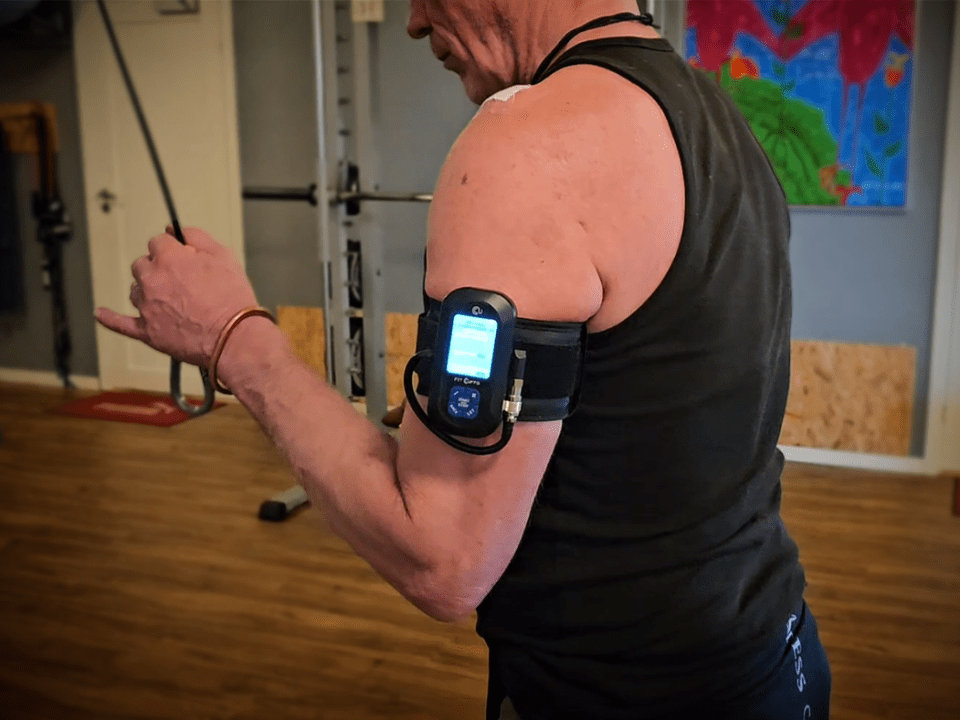
In the 2. part of this video you will find low-load BFR knee extensions progressing from the latest post with isometric resistance at terminal knee extension and slightly higher pressure (mmHg).
In the inter-set rest period we got contralateral high-load resistance training to regain muscle mass and strength by cortical, subcortical and spinal level transfer.
By combining both training modalities we’re attaining the potential benefit from both a neurological and a peripheral muscle perspective.
Source:
William et al. (2017) Blood Flow Restriction Training- Implementation into Clinical Practice.
Formiga et al. (2020) Effect of aerobic exercise training with and without blood flow restriction on aerobic capacity in healthy young adults: a systematic review with meta-analysis.
Slysz et al. (2015) The efficacy of blood flow restricted exercise: A systematic review & meta-analysis.
Carroll et al. (2006) Contralateral effects of unilateral strength training: evidence and possible mechanisms.