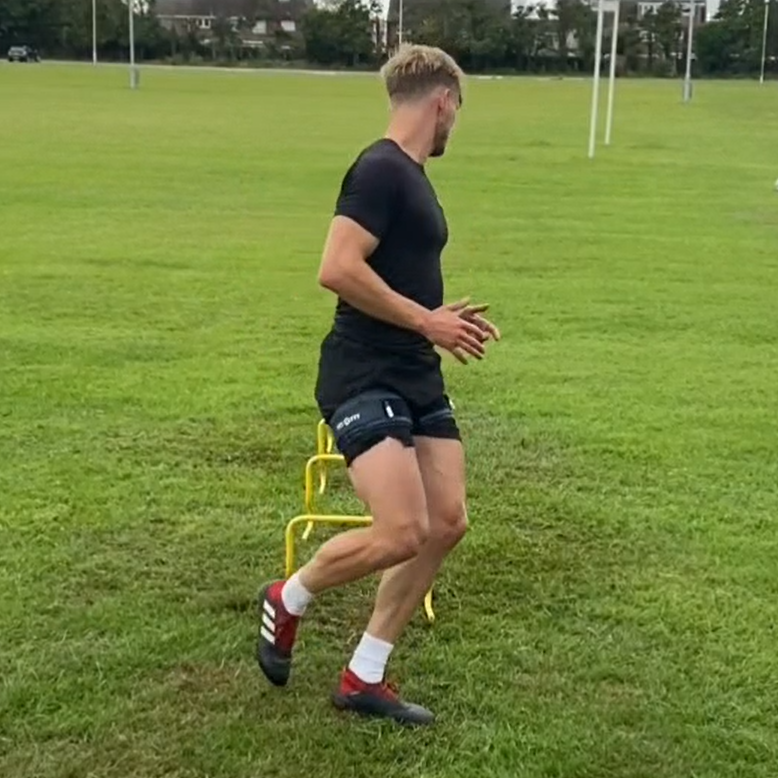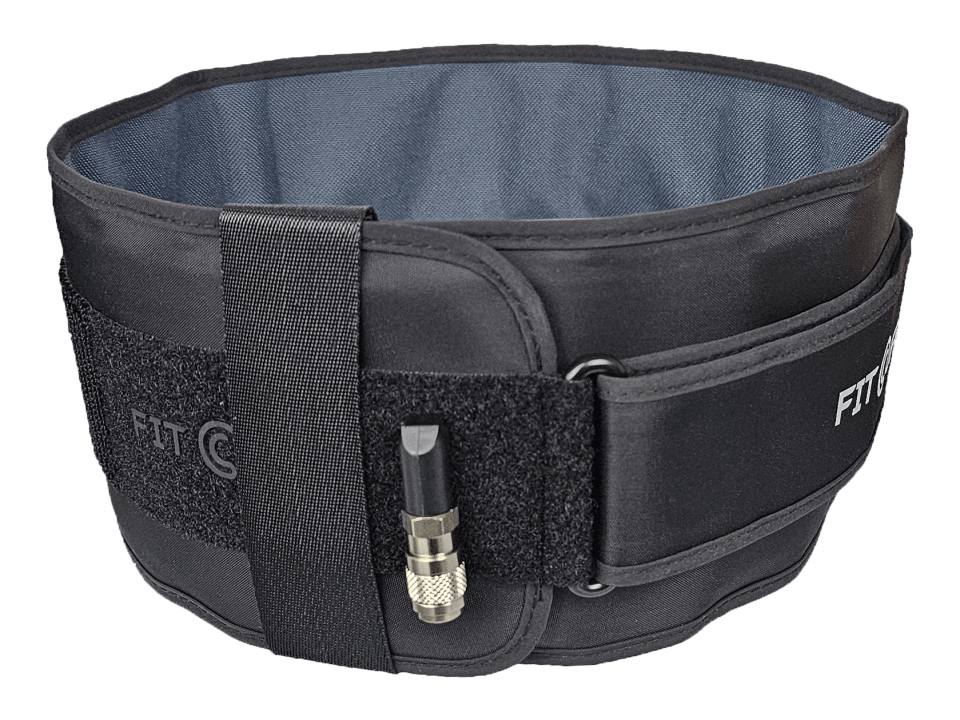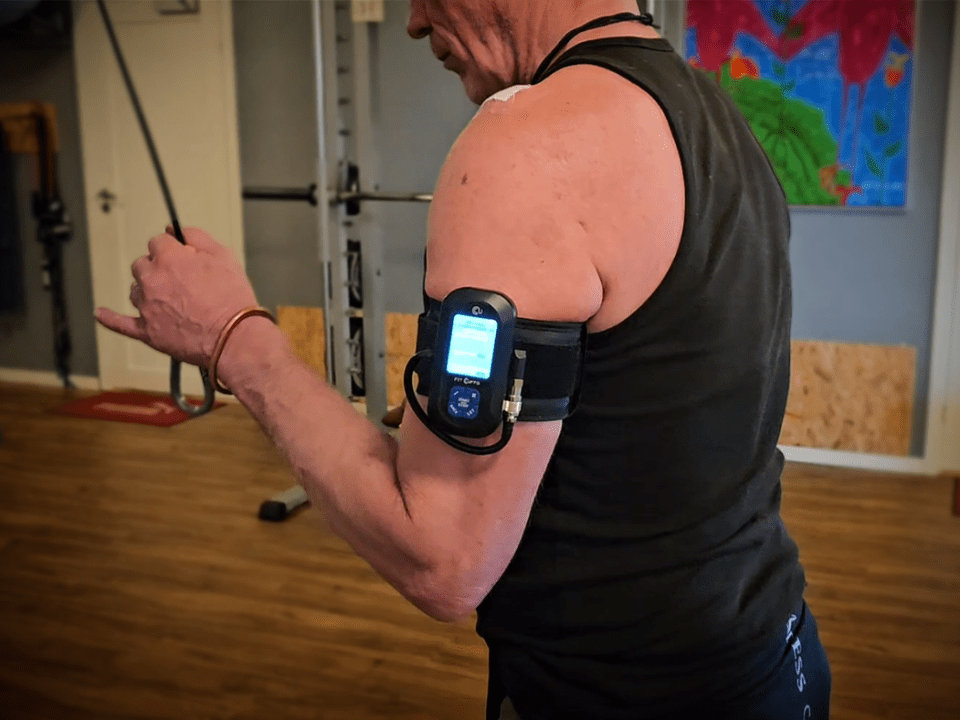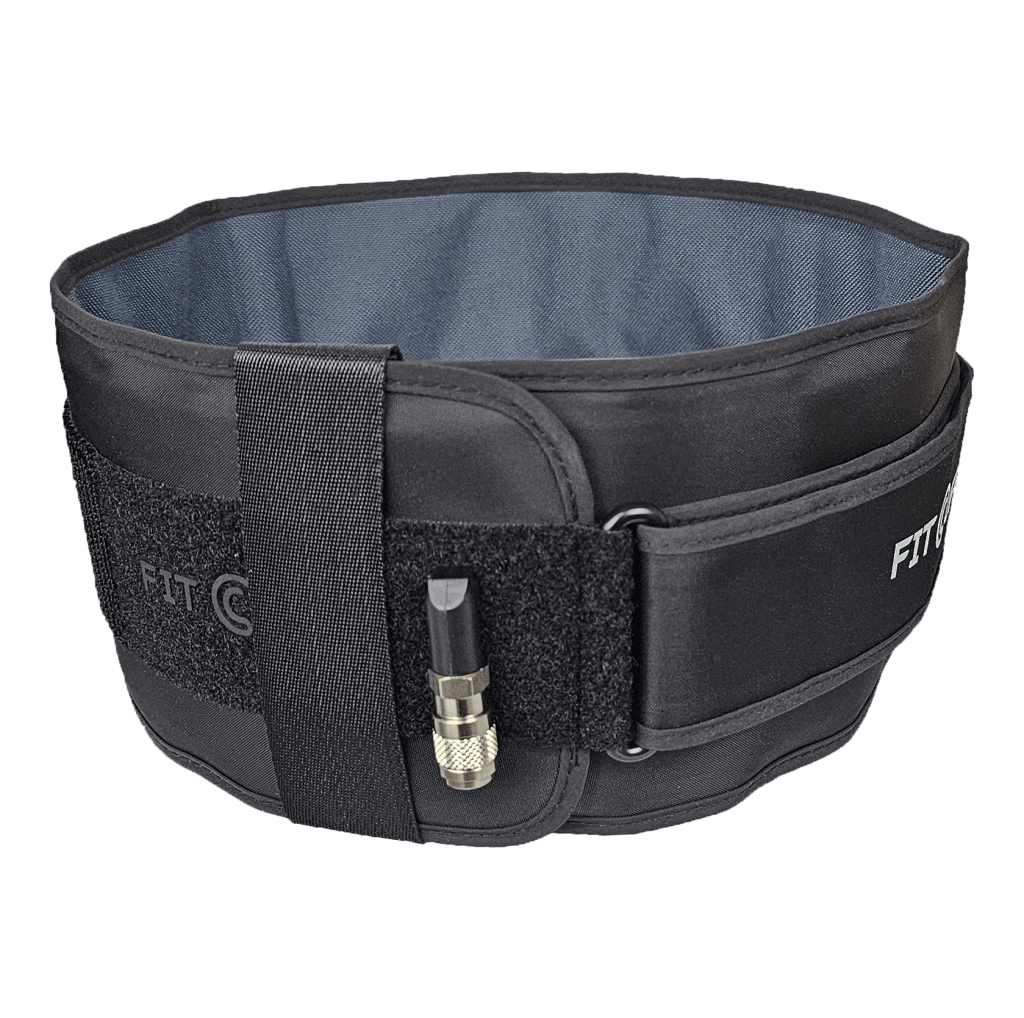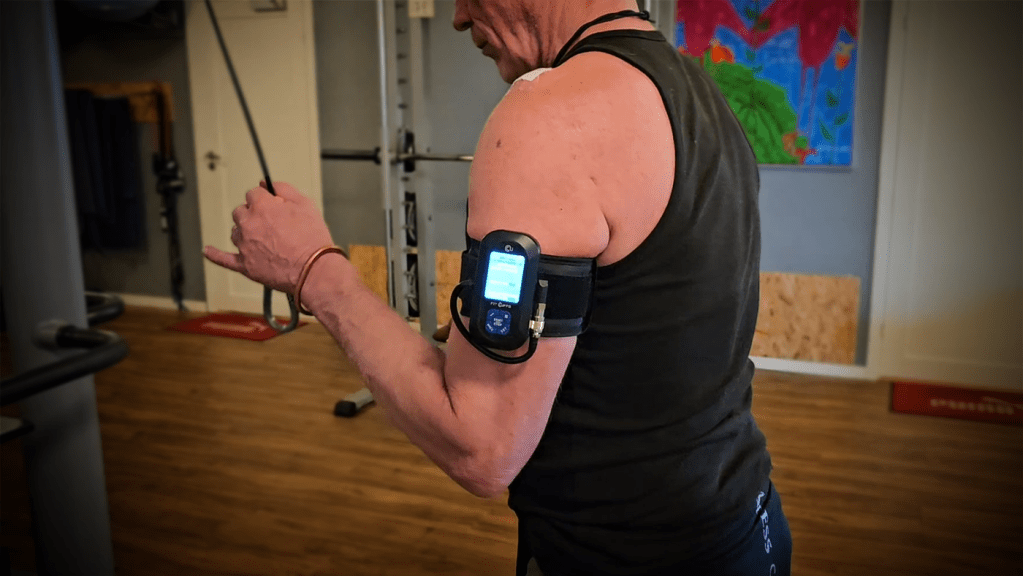


In the present post we got some running drills and plyometrics hurdle hops augmented by Blood Flow Restriction (BFR) Training, which can be used to improve running speed and other parameters of anaerobic performance.
0:02 Straight Running.
0:08 Bilateral Hurdle Hop.
0:21 Lateral Hurdle Shuffle.
0:32 Backwards Running.
Straight running drills can be done with a steady pace or as intervals at submaximal velocity i.e. 50-90% maximum sprint speed, with or without backwards running which focuses on the glute and hamstrings.
The Bilateral Hurdle Hop is a simple plyometric movement that combines muscle fatigue and coordination. Just remember to land and take off with both feet at the same time with minimal contact time.
Lateral Shuffle: Without crossing feet, shuffle laterally right over each hurdle, leading with one leg so each foot touches once between hurdles.
Training with BFR is a well‐recognized strategy for promoting muscle hypertrophy and strength. However, its potential to enhance muscle function during sustained, anaerobic type exercise has also been explored in several research papers as presented in the latest post (the complete BFR guide). It seems that BFR performance-training, has its relevance in later stage rehab and to improve performance in the uninjured athlete.
The partial restriction of blood flow to the legs during these and similar workouts, raises the oxygen and energy expenditure with a higher rate of fatigues compared to conventional drills. BFR seems to improve several parameters of performance, but the adaptations after BFR-running seems to be primarily muscular (peripheral) rather than cardiovascular (central).
As BFR training is less time consuming and puts less strain on the tendons and joints this can be relevant for athletes during periods of strenuous exercise e.g. in season.
We recommend that this or similar BFR augmented drills, are performed after conventional sports practice/athletic training or as alternating weekly/daily with or without BFR, simply by changing intensity and exercise time.
As a rule of thumb, duo to the novel training stimuli of BFR, remember to use the principles of gradual exposure, in regards to exercise time, intensity and pressure (mmHg) to avoid rhabdomyolysis. In addition, it seems that training intensity and pressure are important factors to progress for optimal aerobic, anaerobic, and muscular development.