

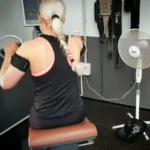
A relatively new editorial from Patterson et al., elaborates on the current utility of BFR in various populations extracted from 18 original research, 1 systematic review, 1 review and 1 opinion papers.
Introduction:
BFR training has demonstrated efficacy when using light-loads/intensities (20–30% 1RM / 40-60% VO2 Max), generating supporting evidence for BFR resistance training and aerobic exercise, but also passively i.e., Ischemic Preconditioning (IPC).
Despite a growing body of evidence in support of beneficial outcomes as well as functional performance benefits, there is no absolute consensus for the application of different BFR modes or protocols.
Acute Responses of BFR:
There seems to exists a progressive response to increasing applied restriction pressure with a minimum “threshold” of ~60% Limb Occlusion Pressure (LOP) when using very low-load BFR resistance training (20% 1RM), for long-term training adaptations.
Compared with both high- and low load resistance training, the vascular stress is greater with BFR relative to the amount of muscle mass used such as multi- vs single joint exercises. That is why caution be exerted when prescribing BFR to certain at-risk populations and more research are needed to explore the long-term hemodynamic and vascular effects of BFR
Adaptations to Training with BFR:
While mechanical tension and metabolic stress seem to share the variance of the muscle hypertrophy response in high-load training, the metabolic stress seems to be the main mechanism responsible for muscle hypertrophy in BFR Training. Though, it seems that BFR training increases long-term muscle protein turnover to a similar degree compared to high-load training. Collectively, the literature support the clinical value of BFR for populations in whom exercise with high loading is untenable.
Ischemic Preconditioning:
Performance capacity may be mediated through altering exercise-induced blood flow and/or vascular function. Considering the current literature, future studies should test the clinically relevance of shorter protocols 12min (2 × 2–3min occlusion/reperfusion)!?
Primary source: Patterson et al. (2021) Editorial: Blood Flow Restriction Rehabilitation to Performance